
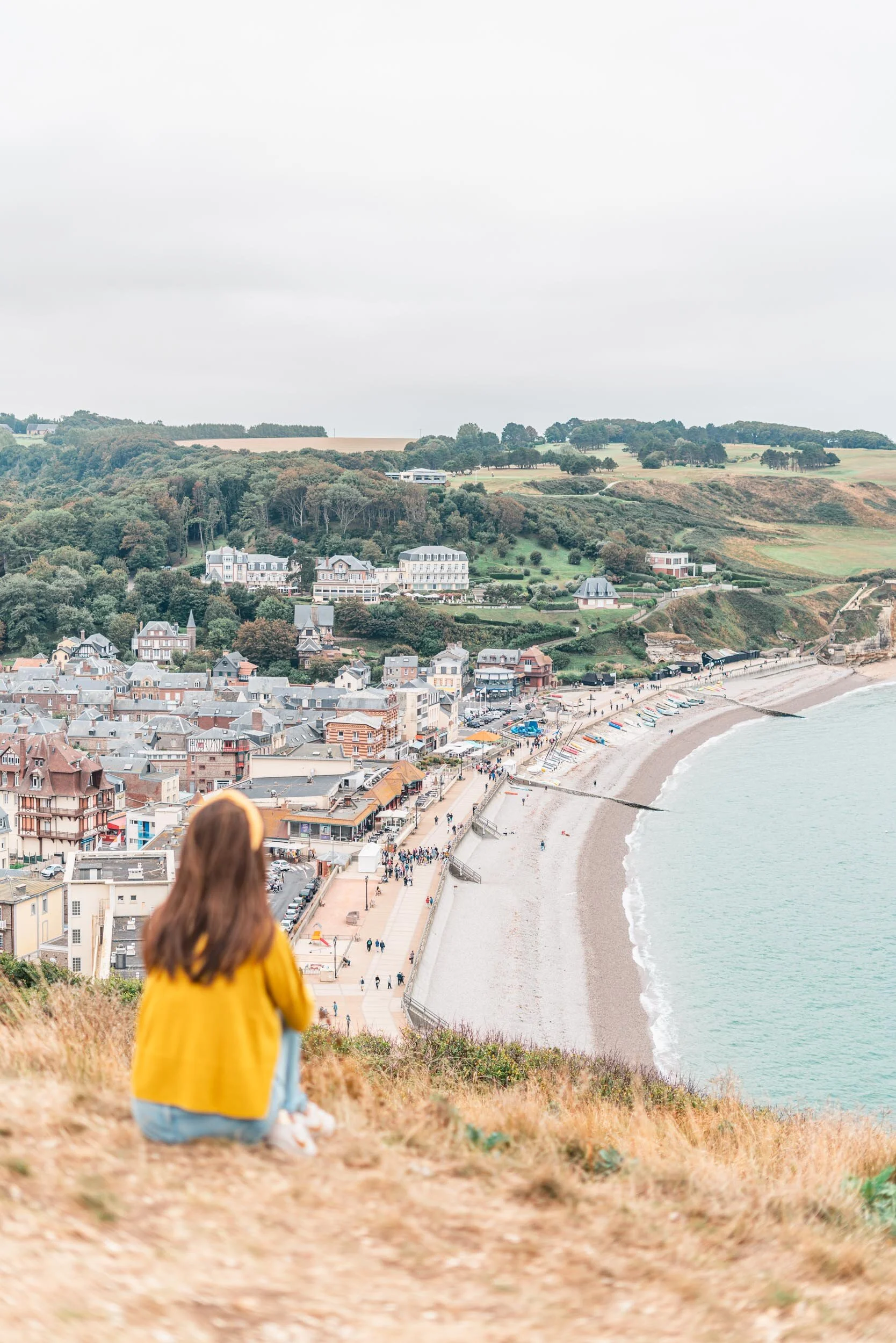
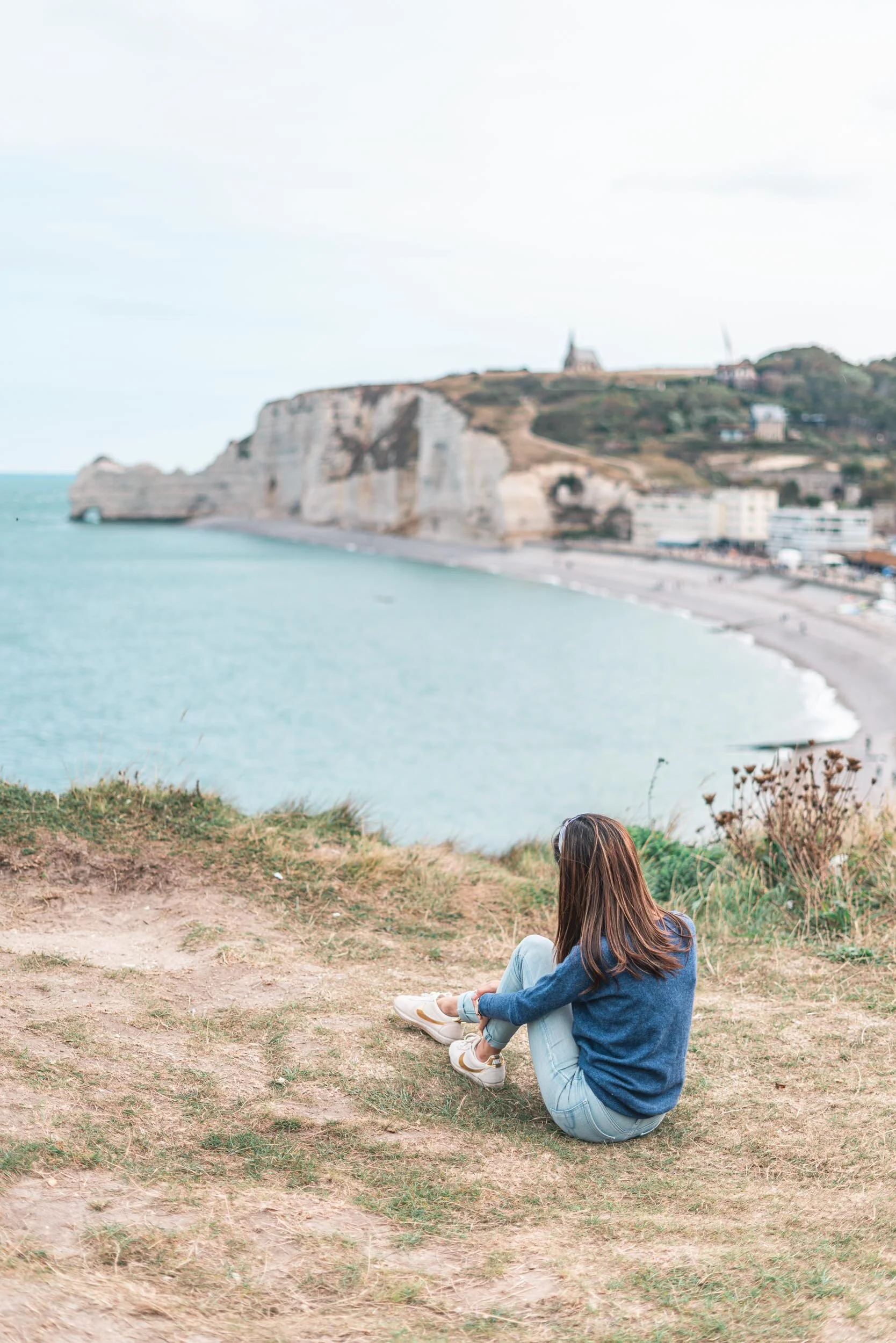
I will never tire of the sea nor the cliffs, knowing that they make me and all my troubles feel so inconsequential
Étretat may be tiny, but it’s the kind of place that completely rearranges your idea of a seaside escape.
Tucked into the chalk plateau of the Pays de Caux and framed by the Côte d’Albâtre, this former fishing village on Normandy’s Alabaster Coast is now one of France’s most dramatic coastal getaways. Think sheer white cliffs plunging into the Channel, a shingle beach bookended by natural stone arches, and that famous “needle” of rock rising from the sea like something sketched by an over‑romantic painter—because, in many ways, it was.
For centuries, life here revolved around the sea: fishermen launching their boats from the pebbles, kelp burned on the beach for iodine, and storms constantly reshaping the shoreline. Then, in the 19th century, everything changed. Sea bathing became fashionable, and well‑heeled Parisians and English holidaymakers arrived in droves. Elegant villas climbed the slopes, and writers and artists—Turner, Boudin, Courbet, and especially Monet—turned Étretat’s cliffs into icons. Monet alone painted the arches and stacks again and again, obsessed with how the light shifted from misty grey to blazing gold in a single day.
World War II left scars here, destroying many of the old seafront buildings and carving bunkers into the cliffs, but Étretat never lost its allure. Today, it’s an easy Normandy detour that still feels a little otherworldly: a small town wedged between towering rock formations, with hiking trails along the headlands, sailing and kayaking below, and sunsets that wash the coastline in soft pink and amber.
I remember standing on the pebbles, listening to the surf and staring at the horizon until everything else went quiet. That’s Étretat’s real magic: it’s spectacularly photogenic, yes—but it’s also a place where time seems to slow to the rhythm of the tide.
Getting to Étretat
By Car
Driving is by far the most flexible way to reach Étretat, especially if you’re weaving it into a wider Normandy road trip. The town is about 3 hours from Paris and roughly 1.5 hours from Rouen, with most of the journey on well‑maintained motorways before you peel off onto smaller coastal roads. Having a car also makes it easy to combine Étretat with nearby spots such as Honfleur, Deauville, or the D‑Day beaches.
Parking, however, can test your patience in high season. Spaces closest to the seafront fill up quickly, and it’s not unusual to circle a few times before snagging a spot. We’ve had the best luck arriving before 10 AM or later in the evening, when day‑trippers start to thin out. There are several paid car parks within walking distance of the beach; if you’re staying overnight, check whether your hotel or apartment includes private parking—it’s a small luxury that makes a big difference.
By Public Transport
There’s no direct train to Étretat, but it’s still very doable by public transport with a bit of planning. The most common route is to take a train from Paris (usually Paris‑Saint‑Lazare) to Le Havre, then a regional bus from Le Havre to Étretat (the journey takes under an hour).
Depending on the timetable, you can also connect via Bréauté‑Beuzeville station and transfer to a local bus to Étretat. Timetables change seasonally, so I always double‑check connections a few days before travelling, especially outside summer.
A day trip from Paris by train and bus is technically possible, but it’s a long day, and you’ll be at the mercy of timetables and the weather. If you want to hike both cliffs, linger for sunset, or enjoy a slow dinner, staying at least one night feels far more relaxed.
By Hiking
If you love long‑distance walking, Étretat can be a destination in its own right on the famed Grande Randonnée 21. This 190 km long‑distance trail runs between Le Havre and Le Tréport, tracing the Alabaster Coast before veering inland. The section around Étretat is among the most spectacular, with cliff‑top paths, changing light over the Channel, and constant views of those chalk arches.
You don’t need to commit to the full GR21 to enjoy it: it’s easy to base yourself in town and tackle shorter linear or circular hikes along the marked trail in either direction.
What to See
The Cliffs (Les Failaises)
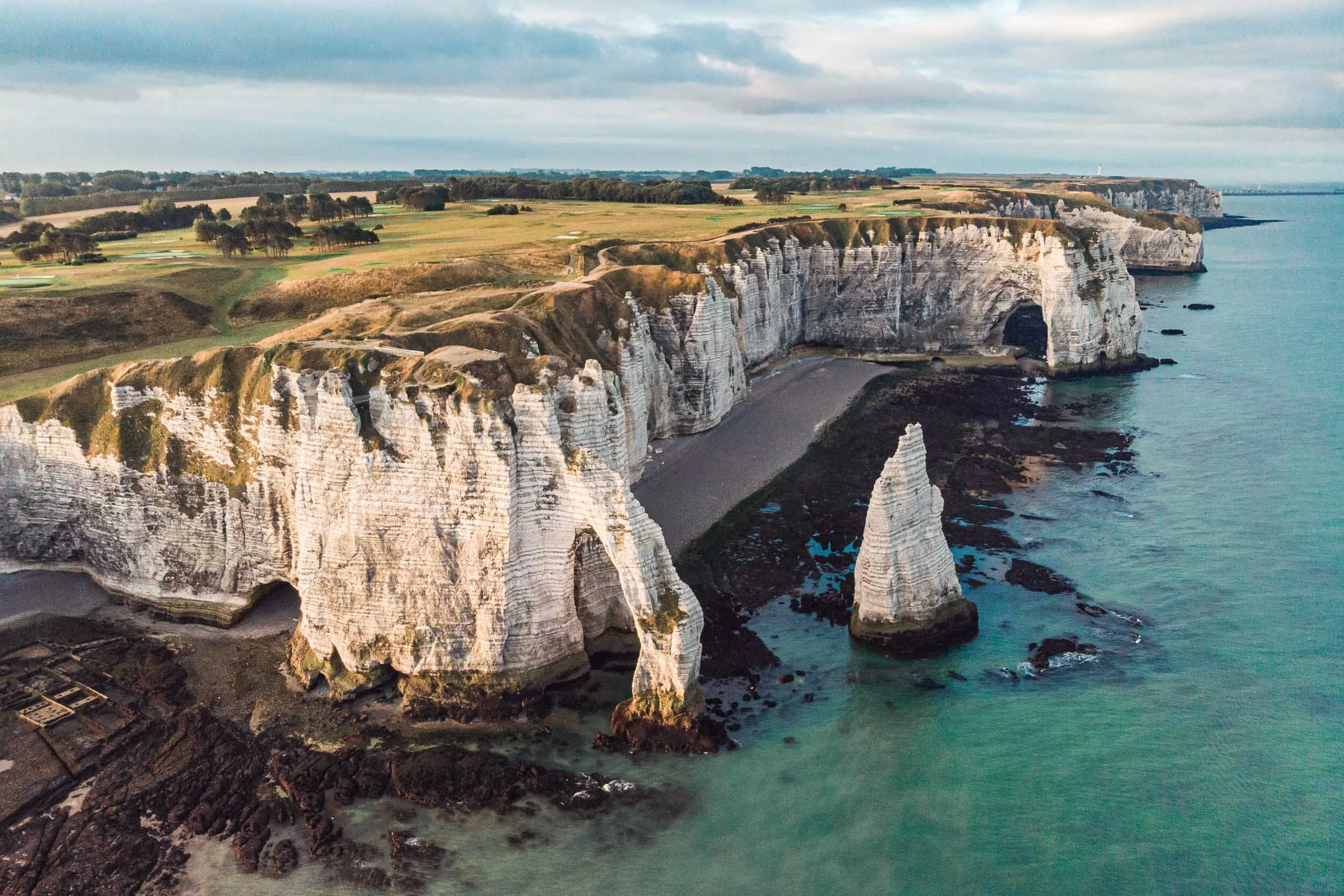
Visible landforms include the cave “trou à l’homme”, la Porte d’Aval, l’Aiguille, la Manneporte and The Courtine
The Alabaster Coast stretches for around 140 km between the Seine and the Somme, a ribbon of white chalk cliffs plunging straight into the Channel. Sculpted from ancient marine deposits, these limestone giants rise to 90 metres and are streaked with dark flint, as if someone has sketched bold lines across the rock. Étretat sits right in the middle of this drama, framed by some of the most photogenic cliffs in Normandy.

The grassy slopes make for an idyllic spot to look upon the beach
Wind, rain, tides and winter frosts constantly work at the coastline, carving arches, stacks and caves, and slowly pushing the cliffs back inch by inch. The town itself sprawls in a narrow valley between two headlands—one crowned with a golf course, the other with contemporary gardens and a tiny chapel—so you’re never far from a viewpoint.
Artists noticed this long before Instagram did. Turner, Boudin, Courbet, and, of course, Monet all fell under Étretat’s spell; Monet painted the arches and sea stacks more than 50 times, chasing the changing light. Today, you can admire the cliffs from above on coastal trails, or from sea level by joining kayaking and paddleboarding courses that glide along their base. Just remember: cliff edges can be unstable, and walking directly beneath them is officially off‑limits.
The Upstream Cliff (La Falaise d’Amont)

Can you spot the elephant’s trunk, ears and back?

Aptly named the Alabaster Coast
To the right of the main beach, La Falaise d’Amont rises in a clean sweep of chalk so bright it once earned the nickname Falaise du Blanc‑Trait (White Line Cliff). In the novel Une Vie (A Life), Guy de Maupassant likened its arch, the Port d’Amont, to an elephant dipping its trunk into the Channel—and once you’ve seen its trunk, ears and even a palanquin, you can’t unsee it.

The cliffs and main beach in all their glory in the setting sun
The grassy path up is a gentle climb, with people pausing for the view over Étretat’s rooftops. On the plateau, you’ll find the chapel, the needle‑like monument, and the whimsical gardens. Continue along the headland to reach the arch itself and a more secluded shingle cove beyond, framed by nothing but sea and sky.

Morning walks up to The Falaise d’Amont
The Downstream Door (La Porte d’Aval)

On a good day, Étretat’s scenery bursts to life with colours
On the left side of the beach, La Porte d’Aval forms an immense natural gateway of chalk and flint, carved over millennia by an underground river and relentless waves. From the promenade, it looks almost theatrical—especially when the late‑afternoon sun turns the arch honey‑gold and the sea a deep, moody blue.

Small figures dot the shingle beach below
La Porte d’Aval is also linked to France’s favourite gentleman thief: Maurice Leblanc set part of his Arsène Lupin novel L’Aiguille Creuse here, imagining a secret treasure hidden in the cliffs. As you walk across the headland, skirting the clifftop golf course, your view of the arch and the neighbouring “needle” shifts constantly. It’s impossible not to stop every few minutes for another glance as the path undulates along the edge.

Seeing the sun slowly sink below the horizon behind La Porte d’Aval is one of the most magical sights you could see in Étretat
The Needle (L’Aiguille)

L’aiguille’s wave-bitten foot shows when the tide lowers
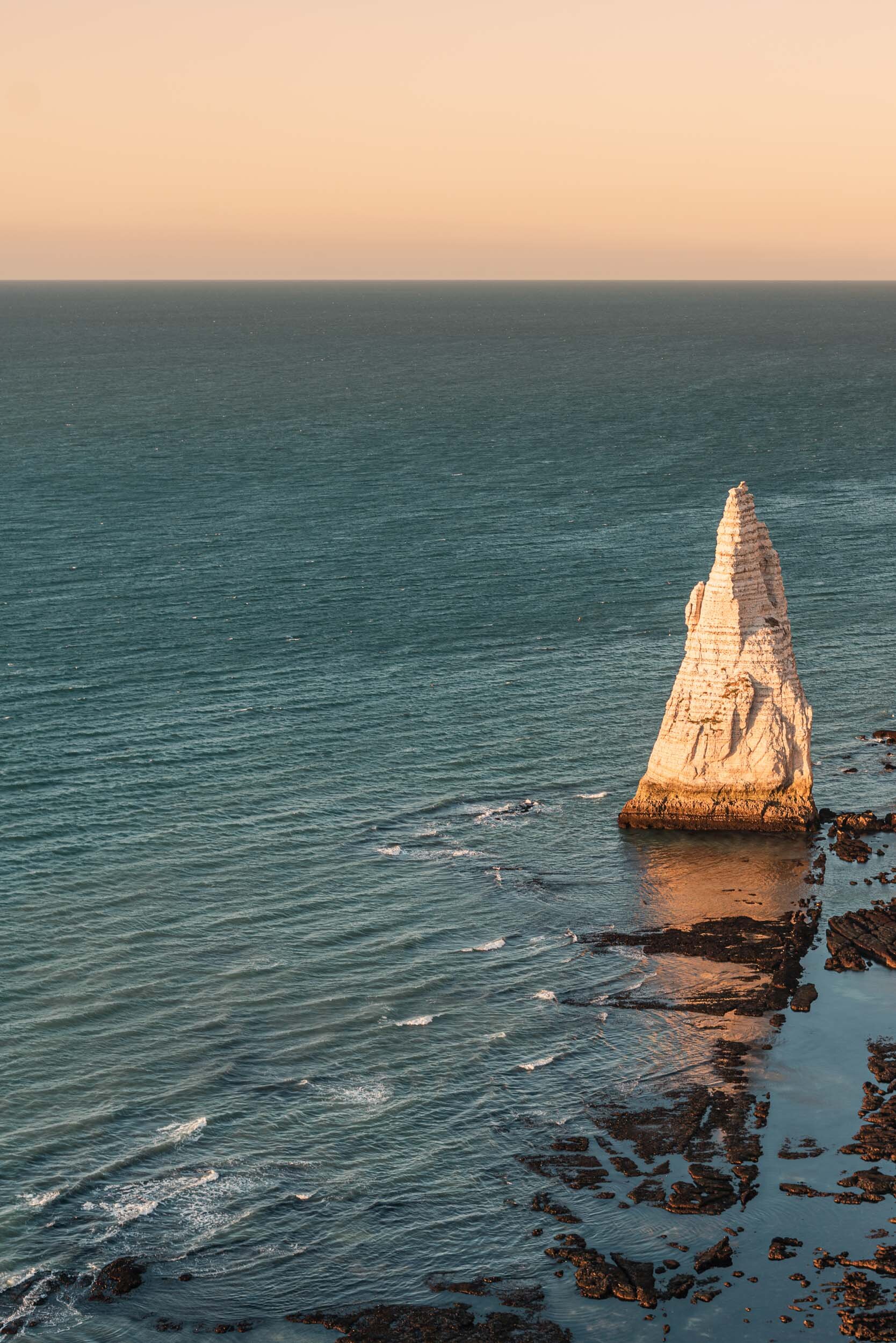
One of my favourite angles of l’Aiguille looking distinctly sharp on one side
Just offshore from La Porte d’Aval rises L’Aiguille, a slender sea stack that rises 70 metres from the water. From some angles, it really does look like a chalk needle pinned into the waves, its base nibbled by the tide and its tip tapering to a sharp point. It’s one of those formations that feels almost too sculptural to be natural.
I loved watching how L’Aiguille changed with the weather—crisp and brilliant under blue skies, ghostly in sea mist, then almost on fire at sunset. At low tide, you can see more of its eroded “foot”, ringed by rock pools and seaweed. Even when the beach is busy, your eye keeps drifting back to that stark white pillar holding its ground against the surf.
The Doorhandle (La Manneporte)

La Manneporte is the furthest we ventured to among the cliffs
Further west along the cliffs lies La Manneporte, a huge natural arch that feels wilder and more remote than the formations closest to town. Guy de Maupassant once claimed a fully rigged ship could sail straight through it. Standing near the edge, you can see what he meant—the opening is so wide it frames entire chunks of sea and sky.

Being very windy when we visited la Manneporte, it was scary to even walk down the path to the top of the arch. It doesn’t show in the photo but a misstep on either side of the footpath would send you plunging into the seas below.
Reaching La Manneporte involves a longer coastal walk, with winds that can be fierce on blustery days. Below the arch is a rounded recess known as Le Petit Port, where tiny springs streak the rock with green, earning it the nickname Pisseuses. Behind it, a thick slab of cliff called The Courtine juts into the Channel like a natural rampart. It’s one of the most impressive stretches of the GR21 trail and also one of the least crowded.
The Upstream Rock and the Needle of Belval (Roc Vaudieu and L'Aiguille de Belval)

The cliffs don’t lose their grandeur on a cloudy day but they are so much more stunning under the sun
Beyond La Falaise d’Amont, the coastline grows more jagged, and fewer people venture this far. Out in the water sits Roc Vaudieu, a triangular tooth of rock that seems to slice through the waves, while nearby L’Aiguille de Belval stands like a narrow, vertical blade testing gravity’s patience.
You won’t get up close to these formations unless you’re seeing them from the sea, but on a clear day, they’re visible from the clifftop paths around Falaise d’Amont. I found they added depth to the panorama—little markers showing how the coast keeps unfolding beyond the main viewpoints. If you’re a photography lover, bring a zoom lens; their silhouettes against a stormy sky are wonderfully moody.
The Beach of Étretat

The shingle beach makes for a popular location for families to visit
Étretat’s beach isn’t your classic stretch of soft sand; it’s a long, pebbled amphitheatre framed by cliffs. As the chalk walls crumble, the sea gradually dissolves the soft rock and tumbles the flint into smooth, rounded stones. Trapped between the two cliff “doors”, these pebbles are among the bluntest on the Alabaster Coast—and they’re also a natural sea defence, slowing the waves and helping shield a town built below sea level. For that reason, removing pebbles from Étretat beach is strictly forbidden, no matter how pretty they look in your hand.

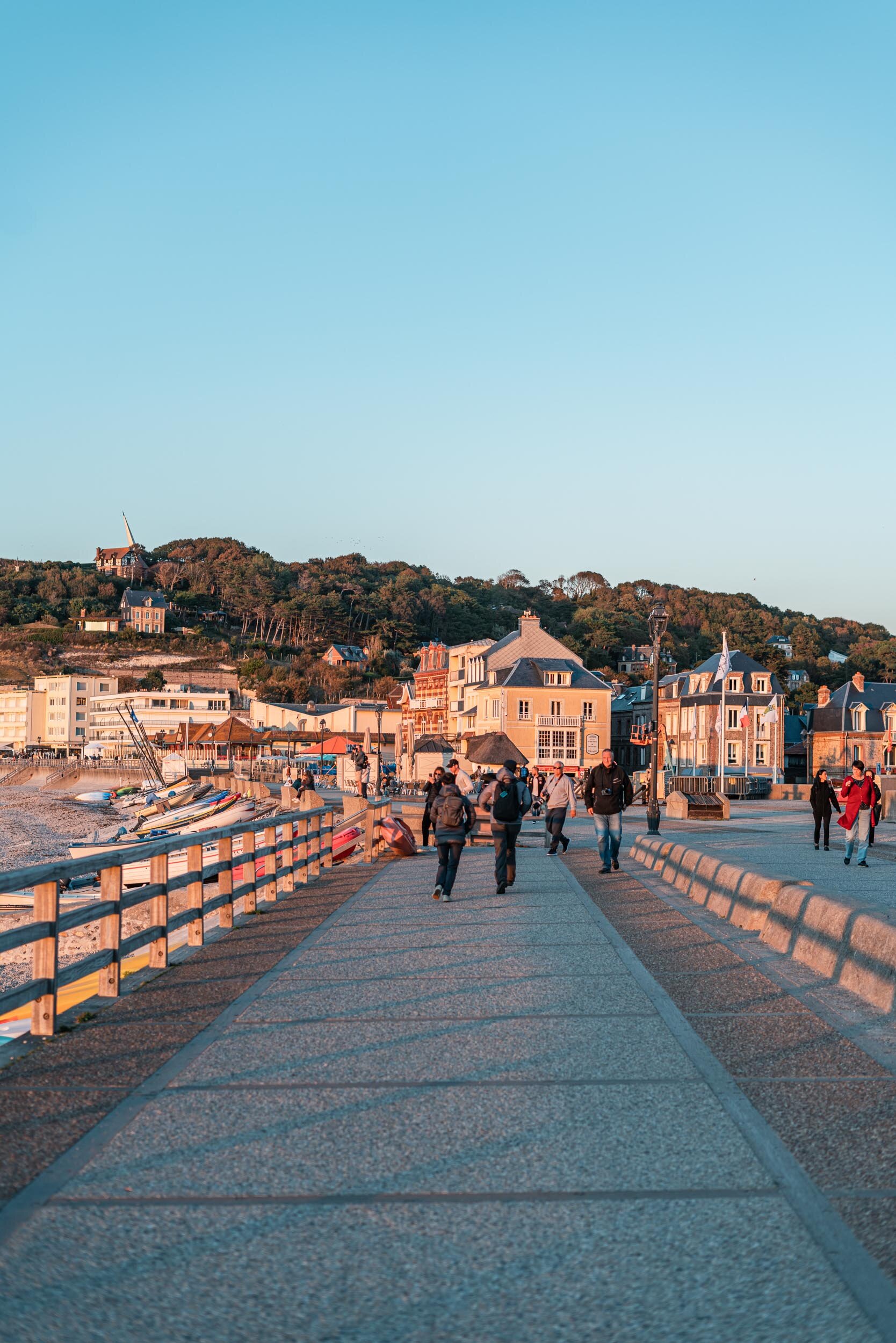
The Perrey boardwalk stretches across the entire length of the main beach

Remnants of capstans used for hauling boats up
Separating the shingle from the village is le Perrey, a broad boardwalk that runs the length of the bay. Its name comes from “empierré”, a local word for “stoned”, and as you wander along it you can still read the town’s fishing past in the details: heavy iron capstans that once winched boats up the beach, caloges (old wooden hulls flipped and roofed to become huts), and simple cabins that hint at a time when life here revolved entirely around the tides. Women once came to wash linen at an underground spring, then spread it out on the pebbles to dry in the sea breeze.

Trekking out to near la Porte d’Aval is possible but tricky as the rocks are slippery with algae and kelp
World War II left its own imprint on this shoreline. The German army incorporated Étretat into the Atlantic Wall, burying around 1,500 mines on the beach and fortifying the cliffs with bunkers to prevent Allied landings. Today, that militarised landscape has largely disappeared; the most visible nod to the past is a reconstructed mobile diving platform to the east of the boardwalk, echoing the heyday of early sea‑bathing.

A old-fashioned mobile diving platform sits close to the foot of the cliffs

Walk on the shingle, and you’ll notice how each step slides slightly—sturdy shoes are a wise choice. Low tide reveals rockpools full of crabs, tiny fish and darting shrimps, and in warmer months, you can join guided nature walks to understand the fragile ecosystem. Just pay close attention to posted tide times and warnings: it’s surprisingly easy to get cut off around the caves and trou à l’homme near La Porte d’Aval when the water rushes back in.
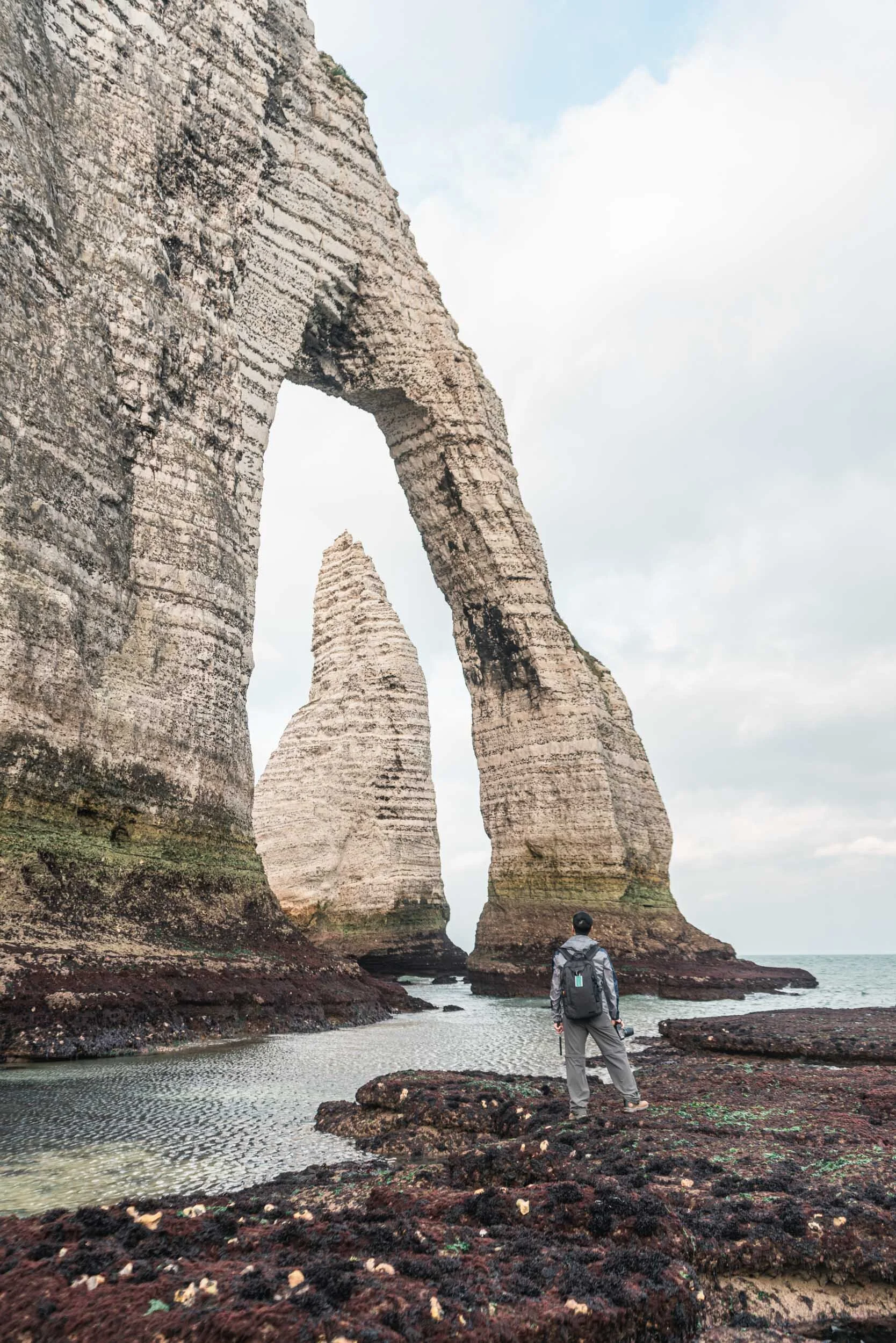
Beware of the tides whenever visiting the rocks


Gulls frequent the rock pools hunting for food

Kayaking and other water activities are available down the beach
Nungesser et Coli Monument

The L’oiseau Blanc as viewed from the air
Perched on the windswept plateau above La Falaise d’Amont, the Nungesser et Coli monument is Étretat’s quiet tribute to one of aviation’s great mysteries. In 1927, French WWI aces Charles Nungesser and François Coli took off in their plane, L’Oiseau Blanc (“The White Bird”), hoping to complete the first non‑stop flight from Paris to New York. They were last seen over this very coastline before vanishing somewhere over the Atlantic. The original memorial was destroyed during World War II, but today a striking needle‑like monument and a small museum keep their story—and their daring—very much alive.
Chapel of Our Lady of the Guard (Chapelle Notre-Dame-de-la-Garde)

The Chapel with the Jardins to the side and the monument in the background
Sitting just beyond the Nungesser et Coli monument, the Chapel of Notre‑Dame de la Garde keeps a quiet watch over Étretat and the Channel below. Rebuilt after World War II, this small stone church is dedicated to sailors and fishermen, with a simple interior that feels like a refuge from the ever‑present wind outside. For most visitors, though, the real draw is the setting: from the chapel grounds, you get a sweeping, unobstructed panorama of the town, the beach, and the famous cliffs on both sides. It’s one of the most atmospheric spots in Étretat for sunrise or golden‑hour views.
The Gardens of Étretat (Les Jardins d’Étretat)
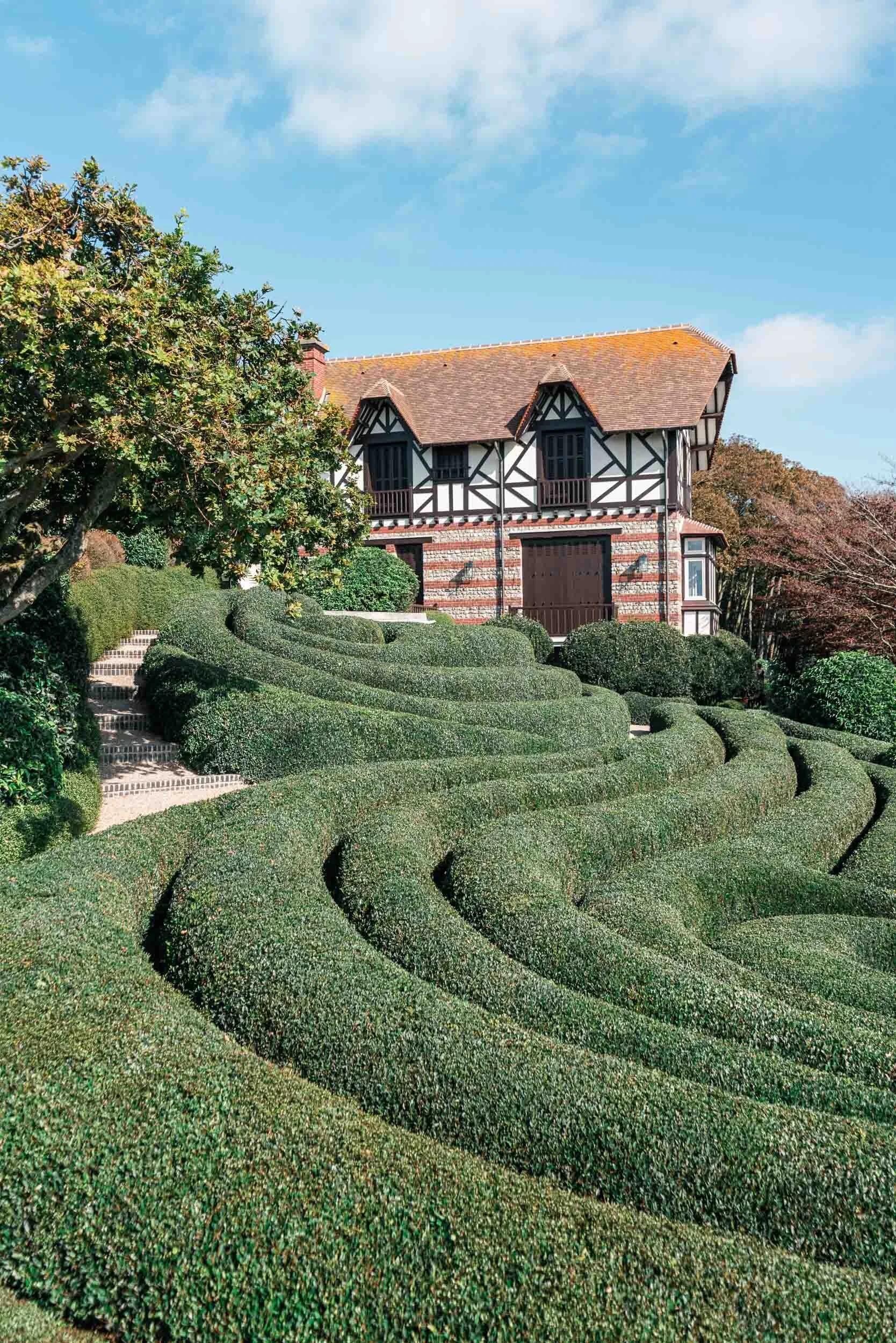
The original house of Madame Thébault

Drops of Rain sculptures dot the gardens
Perched high on the Falaise d’Amont, the Gardens of Étretat feel part sculpture park, part dreamscape, with front‑row views over the Alabaster Coast. The story begins in 1905, when actress Madame Thébault, a friend of Claude Monet, built a villa here and planted an avant‑garde garden inspired by his Impressionist eye for light and form. A century later, that experiment blossomed into today’s Jardins d’Étretat.

The mollusc-shaped hedges add a whimsical touch

Redesigned by landscape architect Alexandre Grivko, the gardens draw on local Normandy flora but twist it into something delightfully surreal. Hedges are carved into rippling shapes that echo waves, cliffs and shells; pathways curve and dip like a living topographic map. Each section has its own mood, but I keep coming back to Jardins Émotion—a slope of tightly clipped, mollusc‑like forms that nod to Marie Antoinette’s first oyster farm, once located below the cliffs.

Love that sleepy pout

Scattered throughout are the “Raindrops” sculptures by Samuel Salcedo: hyper‑expressive faces with sleepy pouts, raised eyebrows and secret smirks that feel oddly relatable. The mix of manicured greenery, contemporary art and that endless sea view makes the gardens one of Étretat’s most unexpected highlights—especially on a bright day when the chalk cliffs, blue water and deep green hedges all compete for your attention.
The Arsène Lupin Estate (Le Clos Arsène Lupin)

Tucked away on a quiet street, Le Clos Arsène Lupin is a must for anyone with even a passing fondness for mysteries. Maurice Leblanc, the creator of the gentleman thief Arsène Lupin, once lived in this 19th‑century villa, which is now an atmospheric museum dedicated to his most famous character. Inside, you wander through themed rooms with audio narration, letters, manuscripts and objects that blur the line between author and hero. Even if you’ve only met Lupin through the Netflix series, partly filmed in Étretat, the interactive, clue‑driven visit makes you feel as if you’ve stepped straight into one of his capers.
What to Eat
La Flottille
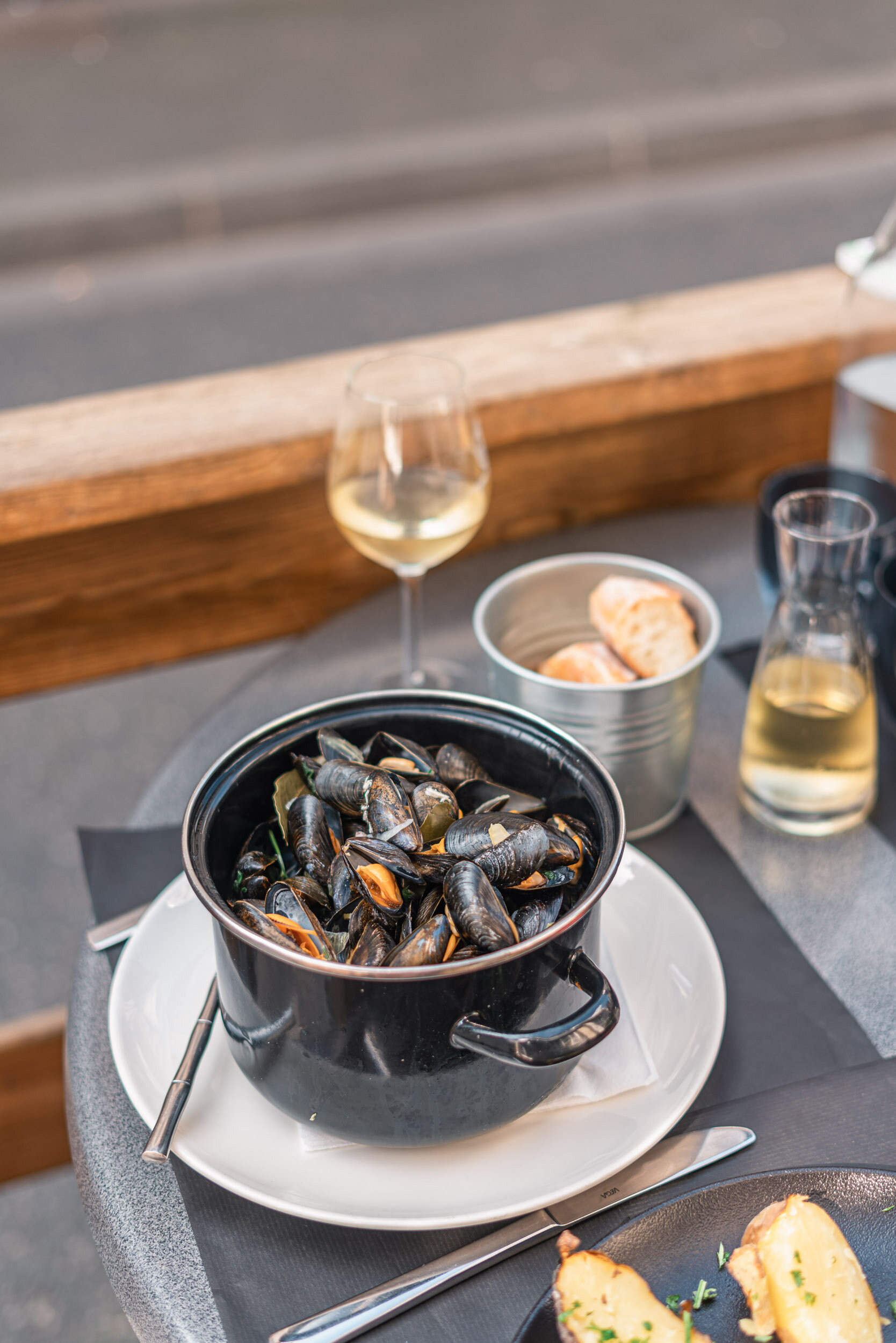
During our time in Normandy, we must have ordered mussel pots every other day, if not more frequently
La Flottille sits just a few minutes’ walk from Étretat’s seafront, in a half‑timbered house that looks lifted straight from an old postcard. Inside, it feels like a traditional Norman inn: low beams, a big open fireplace used for grilling, and tables that fill quickly with couples, families and sandy-shoe hikers. There’s a small terrace for sunny days, but I secretly prefer the glow of the dining room when it’s grey outside.
The menu leans hard into regional seafood—think oysters, fish of the day, and, above all, steaming pots of mussels. Normandy is famous for its moules thanks to cold, nutrient‑rich waters and mussel farms along the coast that produce plump, flavourful shellfish. At La Flottille, a generous kilo pot usually costs less than in more touristy hotspots and arrives perfumed with cream, cider, or garlic and herbs. I ordered mussels here more than once, and each time the broth was rich enough to make you chase every last drop with bread.
Pani Pitt
Pani Pitt is a casual stop close to the beach, ideal for something quick before or after a cliff walk. Inside, it has the feel of a laid‑back bakery‑café, with sandwiches, burgers or panini, pastries and good coffee. It’s the sort of place locals duck into for an easy, affordable bite.
Le Lann-Bihoué
Le Lann‑Bihoué sits on a quiet street just off Étretat’s main drag, a small crêperie where Brittany meets Normandy on the plate. Inside, it’s cosy and unfussy, with coloured glass filtering in soft light. Come for crisp buckwheat galettes, generous sweet crêpes, and hearty regional specials, including the signature Lann‑Bihoué with caramelised apples and black pudding.
Le Romain d'Etretat
A few steps from the main streets, Le Romain d’Étretat is the town’s go‑to pizzeria for a break from classic Norman fare. Expect generous wood‑fired pizzas, fresh pasta, and charcuterie boards in a relaxed, family‑friendly setting—or grab a takeaway box and eat straight on the beach.
Le Bistretatais
Set just behind the seafront, Le Bistretatais feels like a bustling brasserie: closely packed tables, chalkboard specials and the constant clink of mussel pots. The kitchen focuses on Normandy staples—moules‑frites, oysters, the daily catch, crêpes and local cider—offering set menus and famously hearty portions that suit hungry walkers fresh off the cliffs.
Le Clos Lupin
Le Clos Lupin sits a short stroll from Étretat’s main square, behind a charming red façade that’s easy to spot. Inside, it feels like a cosy neighbourhood bistro—warm lighting, closely spaced tables, and a relaxed local crowd. The small, seasonal menu leans on fresh Normandy produce: simply cooked fish, classic meat dishes, and homemade desserts that change with whatever arrives from nearby farms and the market.
Bel Ami
Le Bel Ami, near the centre of town, is part bistro, part wine bar, part intimate cave à manger. Expect small plates with Mediterranean and Levantine touches—mezze, grilled vegetables, and inventive fish dishes—built around seasonal produce. The mood is relaxed yet stylish, with a strong list of French, organic, and natural wines for lingering evenings.
Restaurant Gastronomique
Perched on the hill above Étretat, Restaurant Gastronomique at Le Donjon offers fine dining with sweeping views. Chef Killian Allain crafts creative, responsibly sourced menus centred on seasonal vegetables and seafood, available as discovery and multi‑course tastings. Awarded Maître Restaurateur and noted by Gault & Millau, it reopens in February 2026 for truly destination‑worthy dinners.

To date, this remains one of our favourite photos from the trip :)

The warm afternoon sun illuminating the beach and the French rooftops
The Perrey boardwalk is a touristy area with seafood restaurants and casual bars. But its stunning views of the cliffs and beach are unrivalled, making it a popular pit-stop for families who can take advantage of the open space for children to play.


Where to Shop
The Old Market (Le Vieux Marché)
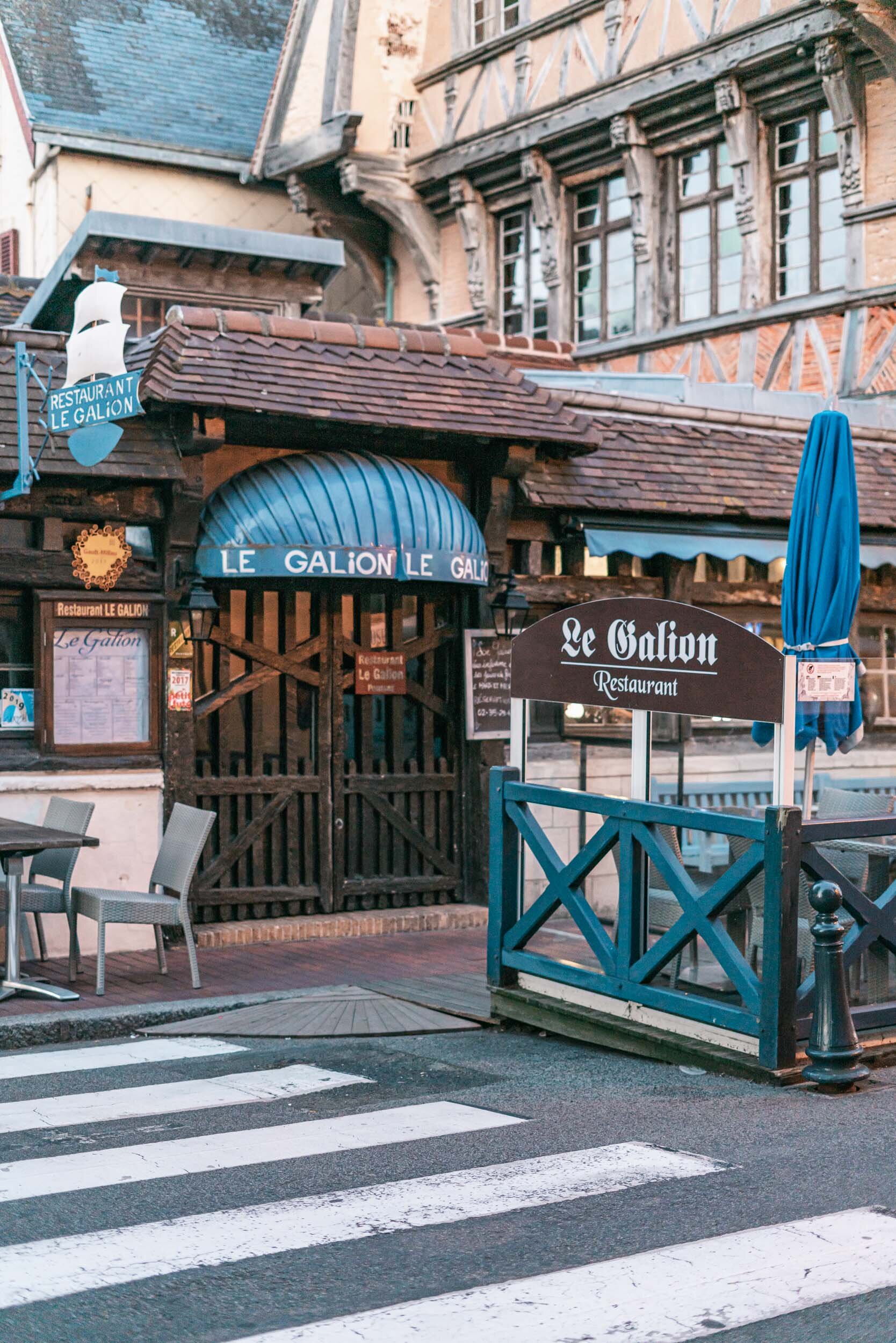


It was cold in France when we visited but I could never resist gelato
At the heart of Étretat, just back from the seafront, the timber‑framed covered market on Place Foch looks like a medieval hall dropped into a seaside town. Inside, you’ll find carved beams, wartime plaques recalling a British military hospital in World War I, and a mix of stalls selling local produce, crafts and classic souvenirs.

On Thursday mornings, the surrounding Place du Maréchal Foch fills with an open‑air market where locals shop for seasonal produce—apples, cheeses, charcuterie, seafood—and linger to chat. It’s the best place to feel everyday village life and pick up picnic supplies before heading back to the cliffs.
La Mer à Boire
Near the seafront car park and promenade, La Mer à Boire is a cosy gourmet shop specialising in Normandy’s liquid treasures. Expect shelves of cider, Calvados and pommeau, often with tastings, plus local fish soups, seafood preserves, terrines and the famous Lecoeur Étretat caramels, handmade in the region since the 19th century.
La Rose des Vents
Close to the old market and main shopping streets, La Rose des Vents is a gourmet grocery store showcasing the best of Normandy. Shelves are lined with ciders, caramels, seafood preserves, and coastal homeware. It’s an easy stop for both edible and non-edible souvenirs from Étretat while you’re wandering between the covered market and the beach.
Conserverie la belle-iloise

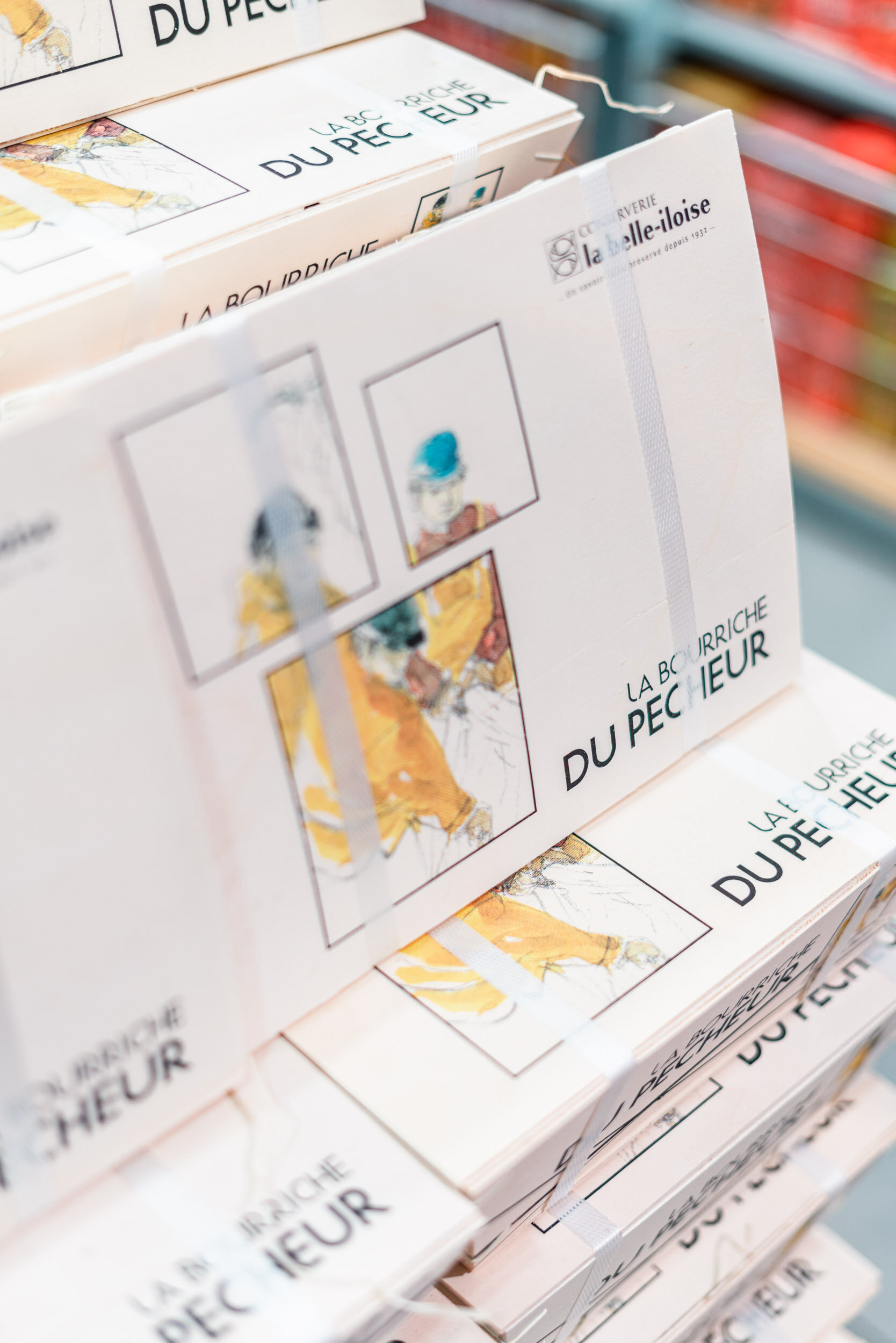
The brand offers many assortment packs for gifting and first-time customers
Just off the main promenade, Conserverie la belle‑iloise is a bright, well‑designed shop dedicated to beautifully packaged tinned seafood from Brittany. Shelves are lined with sardines, mackerel, tuna rillettes and rich soups in colourful tins—perfect for picnics on the beach or edible souvenirs that travel well and feel a bit special.

Their tinned sardine came in very much gourmet hot and citrus flavours

French rillettes are so good
Where to Stay
Les Tilleuls Étretat
Set in an 18th‑century townhouse just uphill from the centre, Les Tilleuls feels like a chic French country home. Camille Gersdorff blends toile de Jouy, antiques and Devon & Devon‑style bathrooms; ground‑floor rooms open onto a leafy garden terrace. It’s quiet, refined, and one of Étretat’s most atmospheric splurges.
Normandy Etretat
These newly renovated apartments are in a vintage French style that effortlessly blends with the more modern touches in the open kitchen and bathroom.
Rooms feature warm interiors with parquet floors, a timbered roof, glass chandeliers and brass finishings, contrasted by a skylight and liberal use of marble that keep things bright. Bonus points to the washing machine and balcony.
The property is located in a more residential area on Rue Guy de Maupassant, a ten-minute walk to the beach. Paid private parking is available, and pets are welcome.
Les Turquoises
Les Turquoises occupies a carefully restored house that retains its brick walls and beams while adding fresh, contemporary finishes. Each room is different—some with bay windows, loft-style sleeping or balconies—and there’s a small garden terrace for sunny days. It feels like a friendly, design‑conscious guesthouse, with the added bonus of free private parking.
La Villa 10
A short stroll from the beach, this red‑brick 19th‑century villa blends bold wallpaper, vintage furniture and cosy, boutique‑hotel vibes. Rooms are spread across a main house and an annexe, with a guest lounge and terrace. Unusually for such a small property, there’s a compact spa with a sauna, hammam, baths, massages and even yoga.
Royal Rose
Royal Rose is a pastel‑toned apartment on the road below Le Donjon, with free parking and easy access to the town centre. Inside, pale pink walls, mouldings and tall shuttered windows feel feminine and airy. A fully equipped kitchen, a washing machine and a candle‑friendly terrace make it ideal for romantic weekends or relaxed girls’ trips.
Villa Eliane
Once a family home dating from 1894, Villa Eliane now feels like a small, gracious country hotel set in a leafy park. Only a handful of rooms have timbered ceilings draped in fabric; some have balconies. Guests share a cosy lounge, a terrace, a generous continental breakfast, free parking and bike rentals.
The Panoramic View
True to its name, this 120 m² apartment above Bar Brasserie Les Roches Blanches faces Étretat’s main beach head‑on. Modern, bright and set up for up to six guests, it offers a full kitchen, a pinball machine, a pet‑friendly policy and free parking—plus unbeatable views of La Porte d’Aval from the sofa.
Castel De La Terrasse
Perched above Étretat in a handsome Belle Époque villa, Castel de la Terrasse features high ceilings, large windows and period details. Many rooms overlook the sea or the gardens, and the communal lounges feel like a private home. It’s a characterful, quietly elegant base for travellers who value charm over hotel‑style services.
Le Donjon – Domaine Saint Clair
Hidden on the hillside above the town, Le Donjon – Domaine Saint Clair is a romantic Anglo‑Norman estate with sweeping sea and cliff views. Three buildings house 25 individually styled rooms, each named after a French cultural figure. Expect gardens, a pool, a spa, gourmet dining, a rooftop jacuzzi, and free parking—a characterful retreat about 15 minutes’ walk from the beach.
Dormy House
Dormy House is a classic cliff‑top hotel set within four hectares of gardens, overlooking Étretat’s arches and village. Rooms and suites range from simple to indulgent, with some featuring balconies or jacuzzis. Two restaurants, a bar, a billiards room, beach access, a nearby golf course, and free parking make it a self‑contained seaside resort.

I don’t think I will ever forget the sunset that made me realise iPhone wallpapers were real

Listening to the (real) waves instead of the ones on my sleep aid playlist can be addictive


This post may contain affiliate links, meaning we receive a commission when you click and make a purchase.
Related Posts
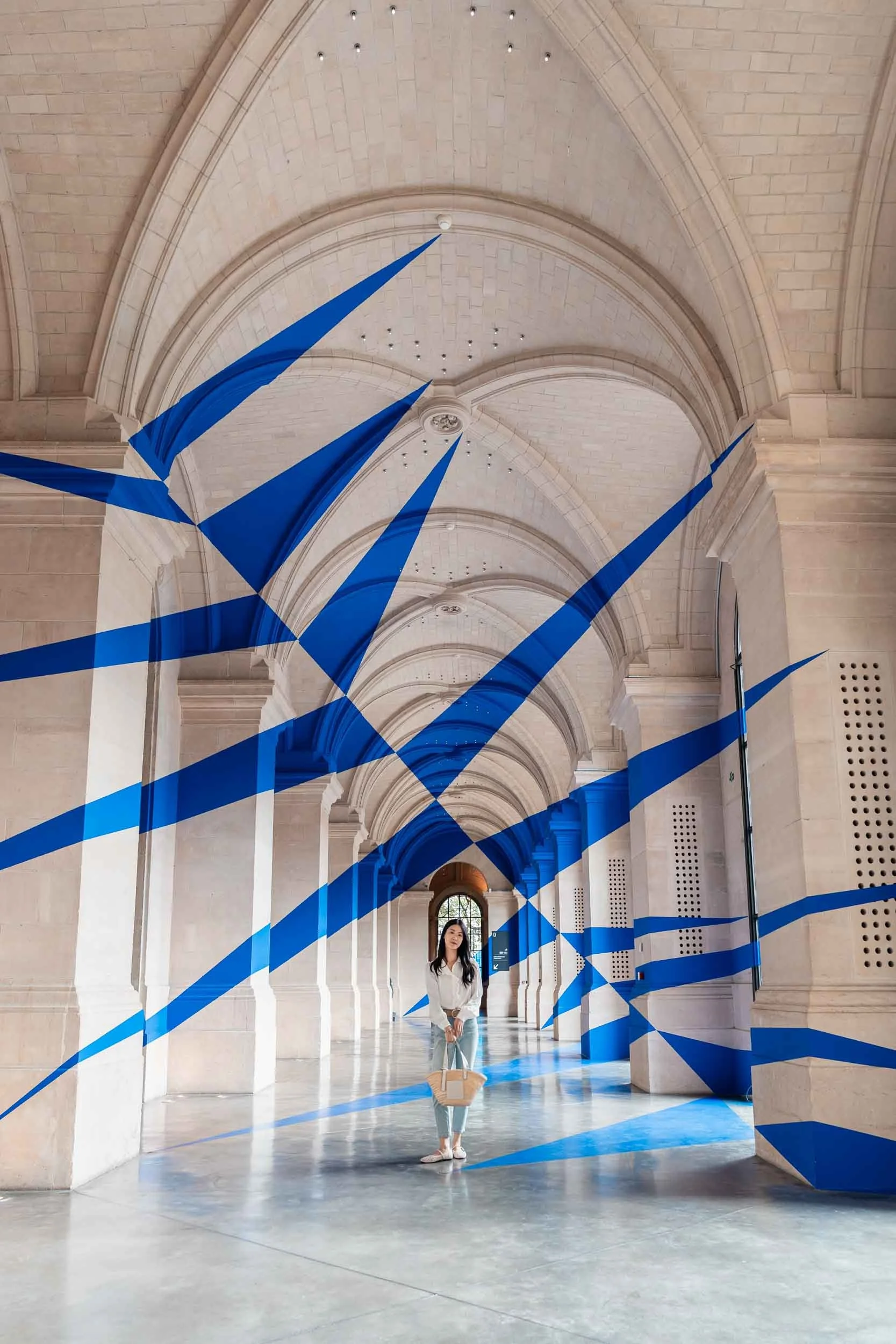



Step inside Villa Cavrois, a sunlit modernist chateau of yellow brick, cinematic interiors and a water mirror that makes you stop and stare.