
Pom Pom Pidou: When Beaubourg Moves to Lille
You know an exhibition means business when it coincides with the Parisian icon going into temporary exile.
Pom Pom Pidou at Tripostal is what happens when the Centre Pompidou temporarily closes for renovation, relocates a century of modern and contemporary art history, and decides to enjoy a very glamorous season in Lille.
There are no pom-poms in sight, but there is an avalanche of colour, light, and ideas, from Delaunay’s spinning rhythms to NFTs glowing in the dark. It feels a bit like visiting Beaubourg’s rebellious cousin: familiar names, unexpected juxtapositions, and that delightful sense that the rules are being quietly rearranged.
This isn’t just another “greatest hits from the collection” moment. Pom Pom Pidou presents itself as an upside-down story of modern art, and from the first flickering neon sign, you can sense the curators having fun with the canon. The show is part of lille3000’s Fiesta season, but it also reads as Pompidou’s love letter to the north: a travelling narrative of avant-garde mischief, told across three floors and several generations of artists who never could resist stirring the pot.
Tripostal, Lille: From Sorting Centre to Cultural Playground
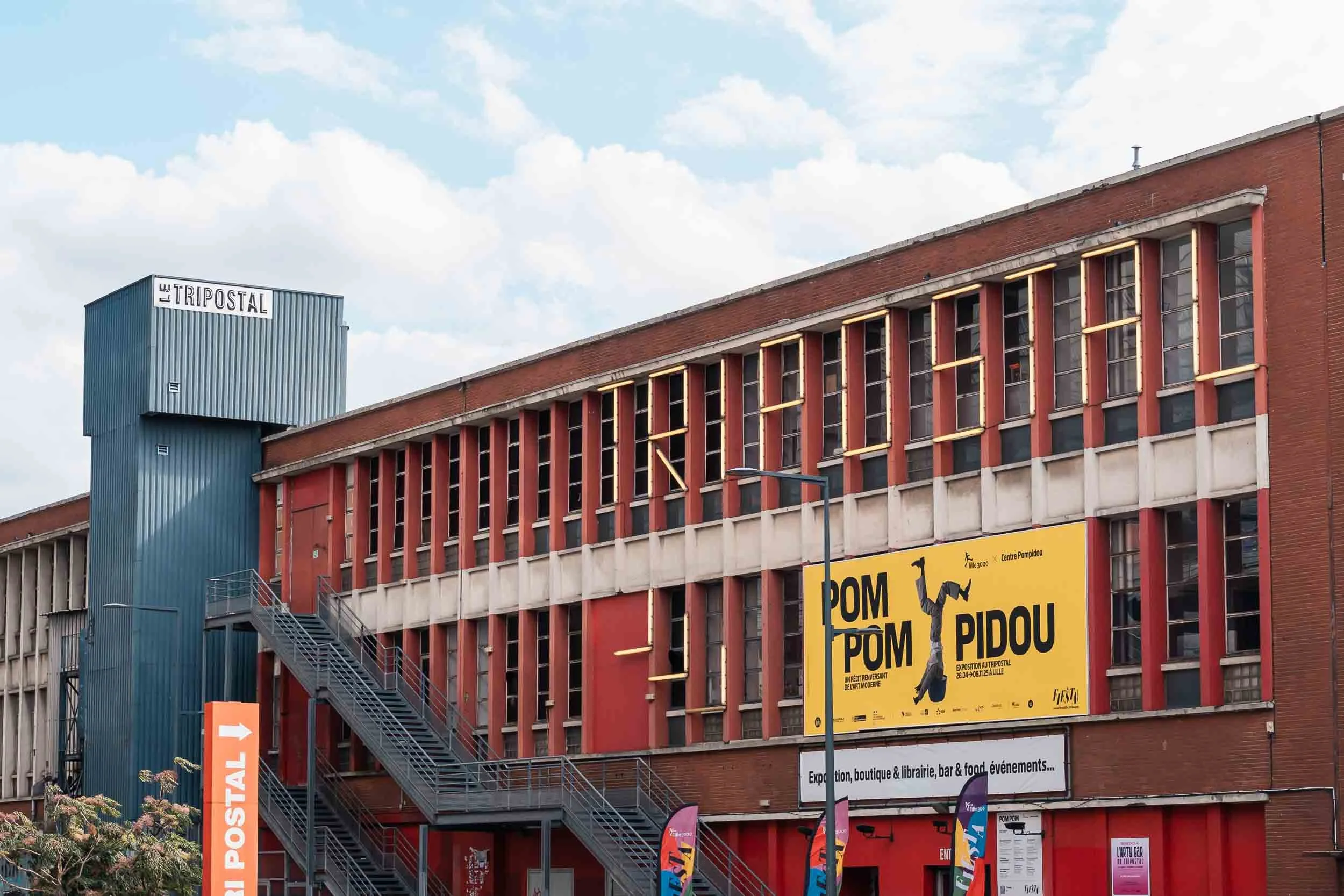
Just across from Lille Europe station, Tripostal appears, at first glance, exactly as it once was: a post-war mail-sorting centre designed for efficiency, not aesthetics. Its concrete structure and long horizontal silhouette still whisper logistics and timetables, but step inside, and the tone shifts to a contemporary culture playground.
Built in the 1950s and retired from the postal service in the early 2000s, Tripostal was saved from becoming yet another forgotten warehouse. Instead, the city transformed it into a flagship venue for contemporary art and immersive exhibitions, part of Lille’s ongoing effort to reinvent itself as a creative hub.
I love how the building refuses to hide its past. The vast open floors, exposed structures, and slightly brutalist air give artists room to breathe—literally. It’s all about scale and perspective: you’re constantly aware that you’re in a space built for movement and flow, now repurposed for wandering and wonder instead of conveyor belts and crates.
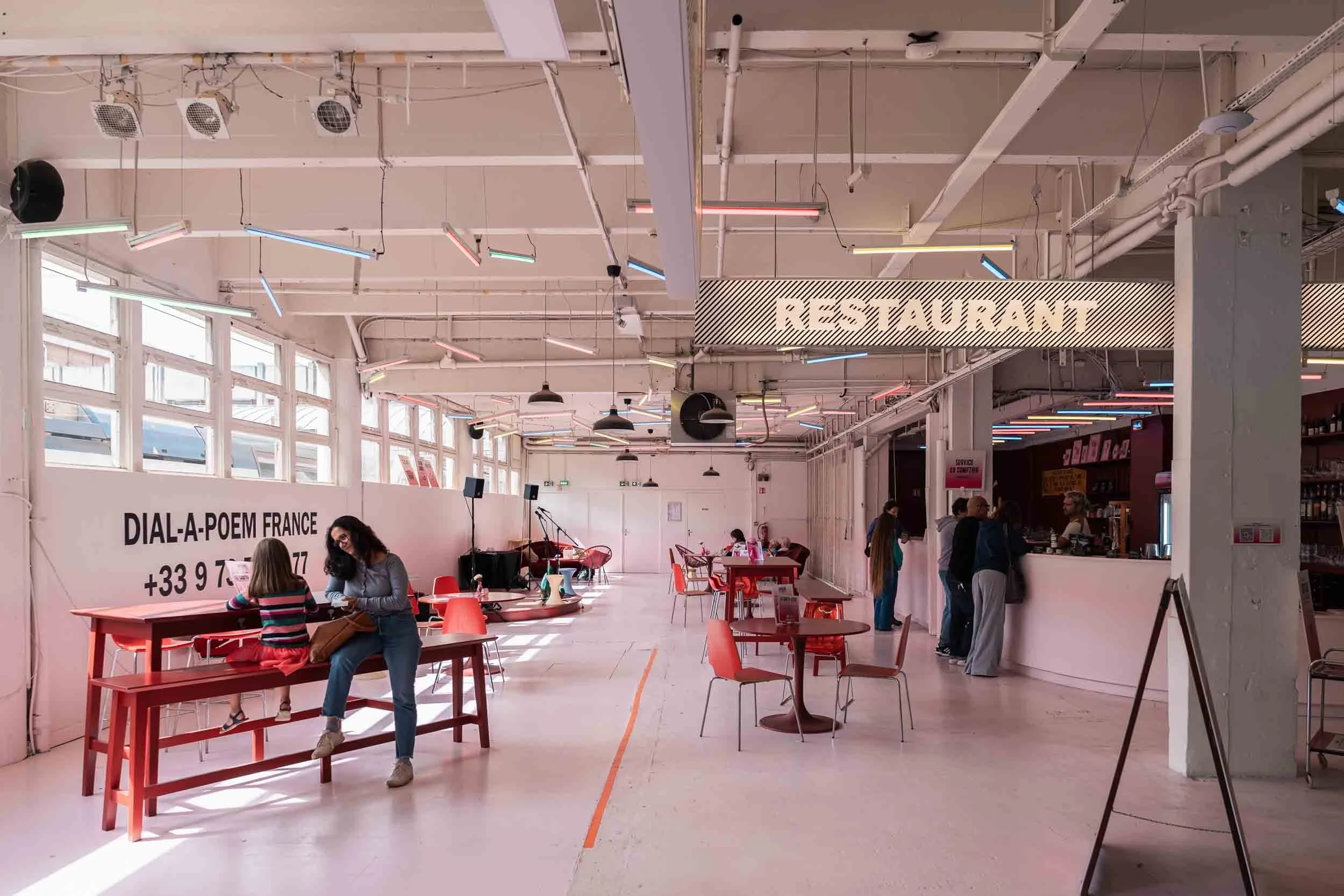
The architecture creates a delicious tension. On one side: concrete, repetition, the ghost of routine. On the other: colour, textures, and installations that invite curiosity. Pom Pom Pidou embraces that tension, turning Tripostal’s long vistas and high ceilings into a rhythmic choreography of soft forms and open space.
Pom Pom Pidou: An Upside‑Down History of Modern Art
From 26 April to 9 November 2025
Pom Pom Pidou takes the Centre Pompidou’s collection as both an anchor and a launchpad. The title playfully echoes Beaubourg’s nickname—“Pompidou” becomes “Pom Pom Pidou”—as if the museum has loosened its tie for a weekend away. What it offers Lille is the story of how art has continually tested its own boundaries from the early twentieth century to the age of algorithms and NFTs.
The ground floor kicks off with a celebration of the avant-garde. Robert Delaunay’s vibrant, circular compositions and the vortex of František Kupka set the tone: rhythm, movement, colours that almost hum. The Futurists rush in with their manifesto of speed, and somewhere between those fractured forms and Marcel Duchamp’s dry, daring ready-mades, you feel the hinges of art history giving way. Rather than leaving these works preserved in reverence, the exhibition combines them with contemporary counterpoints. Designer lamps hover overhead like glowing jellyfish, and an Olafur Eliasson light projection pulls those early experiments with colour into a fully sensory, walk-through experience.
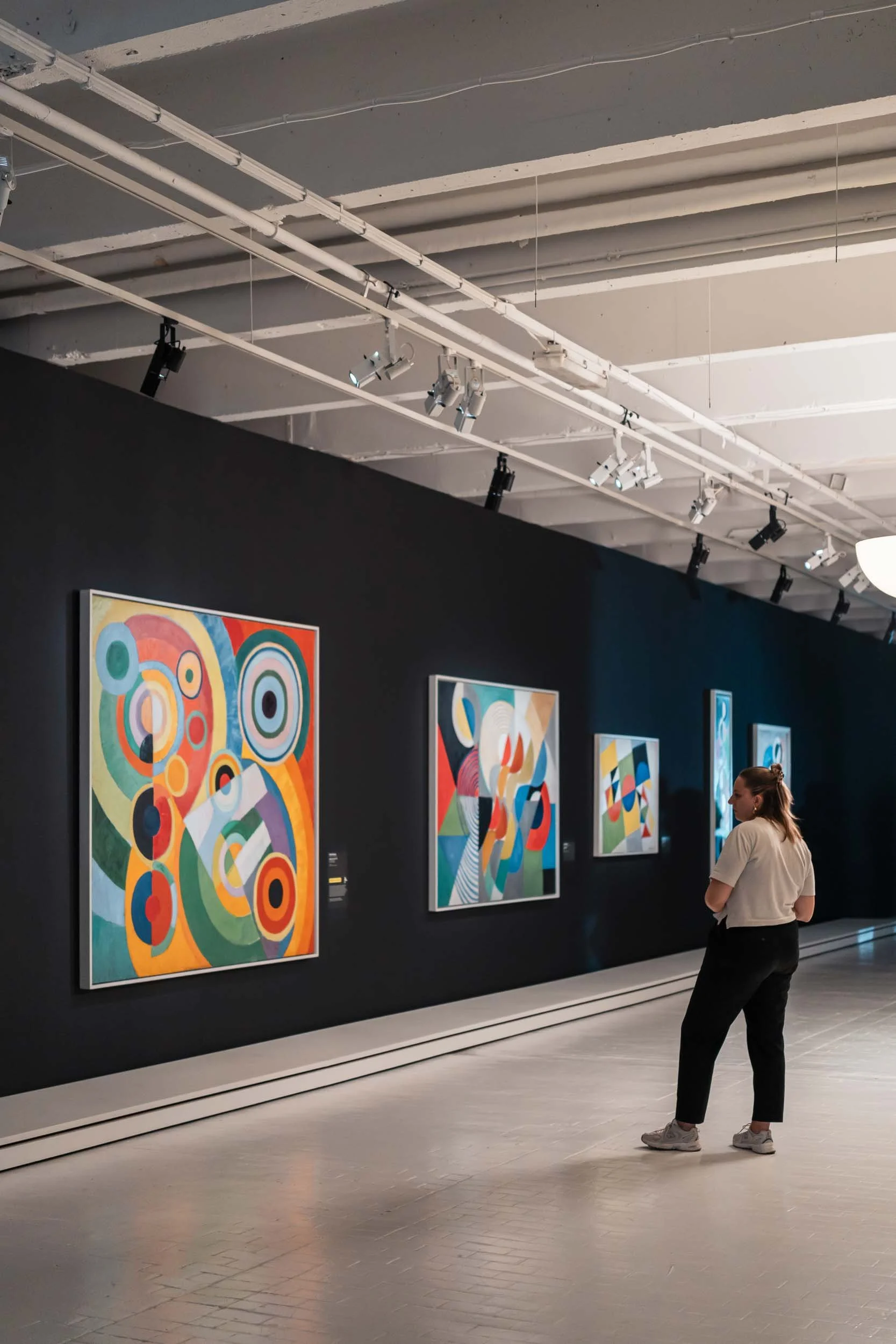
Robert Delaunay, Rythme, Joie de vivre, 1930
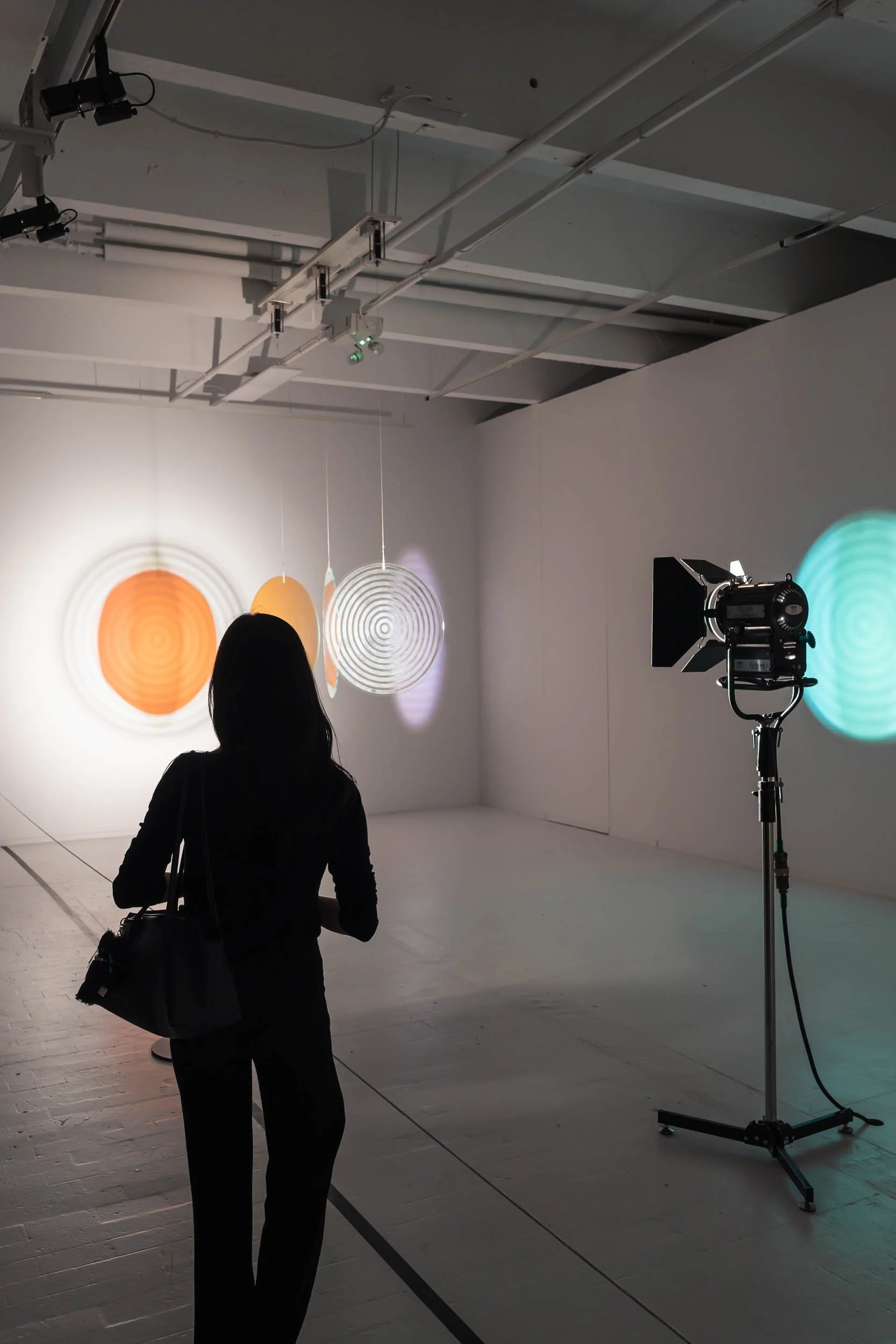
Olafur Eliasson, Your concentric welcome, 2004
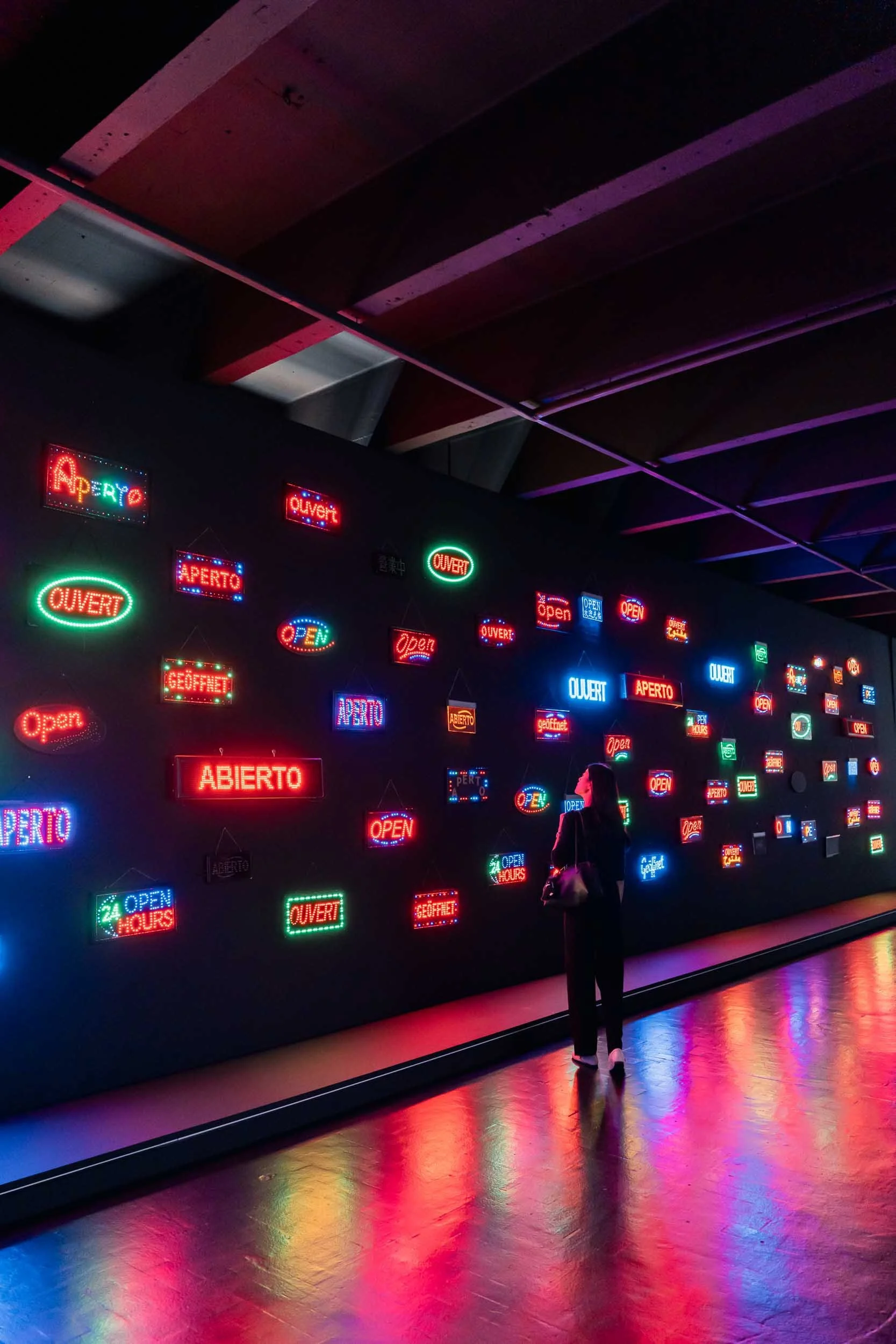
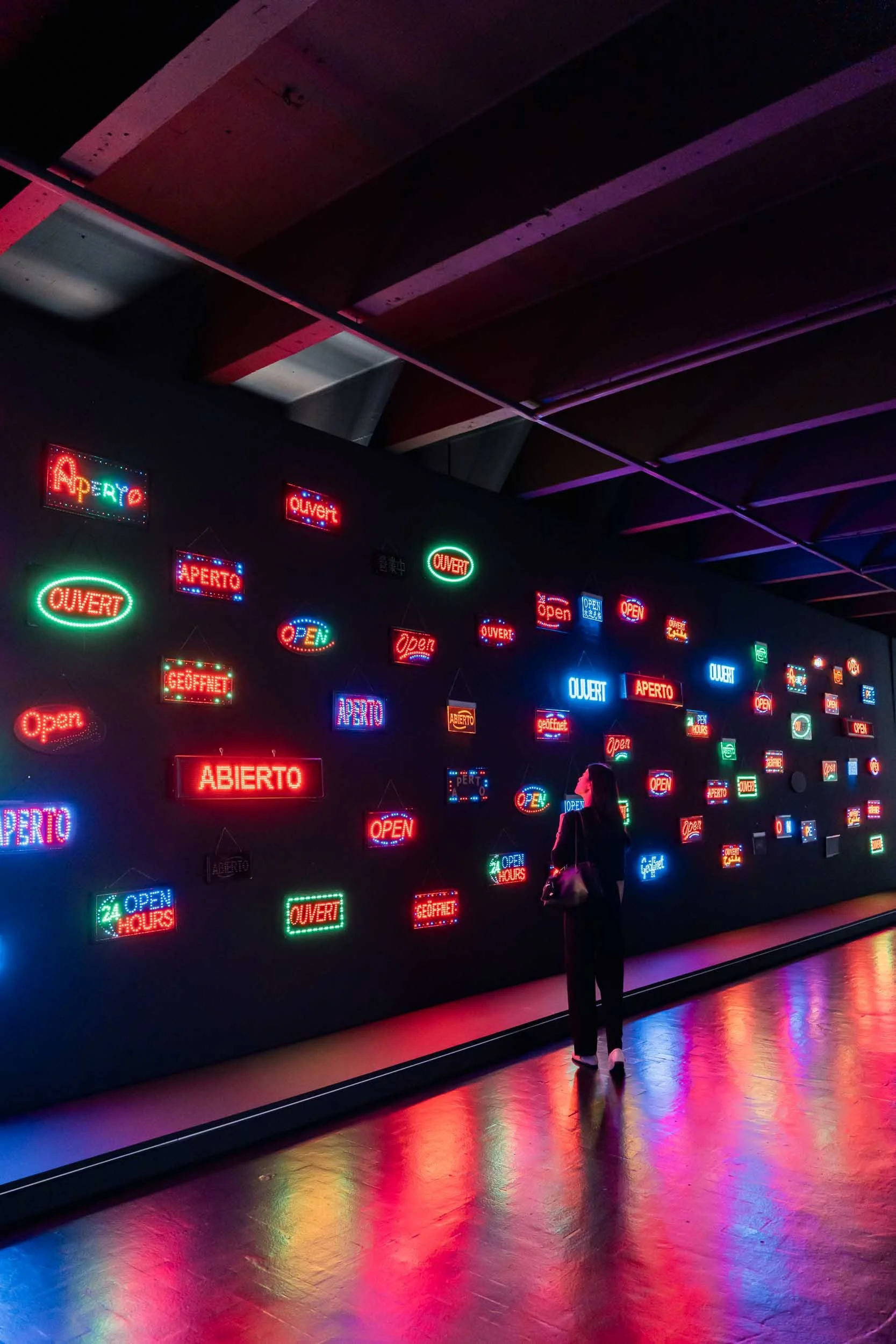
On the first floor, the mood shifts from heroic modernism to playful sabotage. Dada bursts in with its anti-logic, followed by the Nouveaux Réalistes, who bring in street posters, scrap metal, and other urban debris, elevating them into artworks with a straight face. Fluxus blurs the line between art and life, making visitor participation part of the work itself. You can sense that lineage in the staging of the exhibition: from the cascade of neon “open” signs flooding the room in electric colour of different languages, to installations that only fully reveal themselves when you step inside, not just stand in front of. Pop Art and Narrative Figuration appear as sharp, graphic responses to mass media, their bold surfaces echoing across the space like visual shouts.
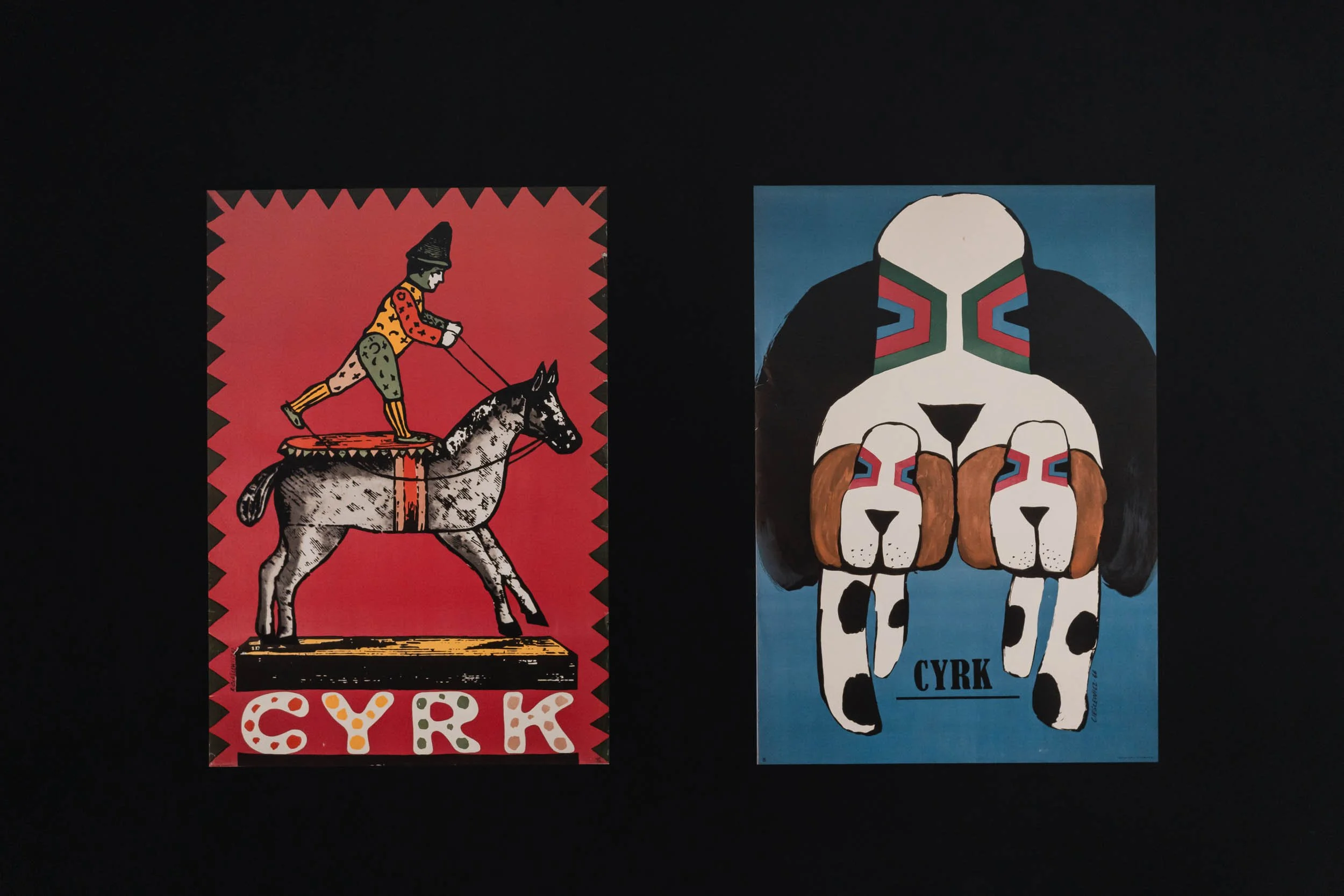
Roman Cieslewicz, Cyrk, 1962
Roman Cieslewicz, Three Basset Hounds, 1966
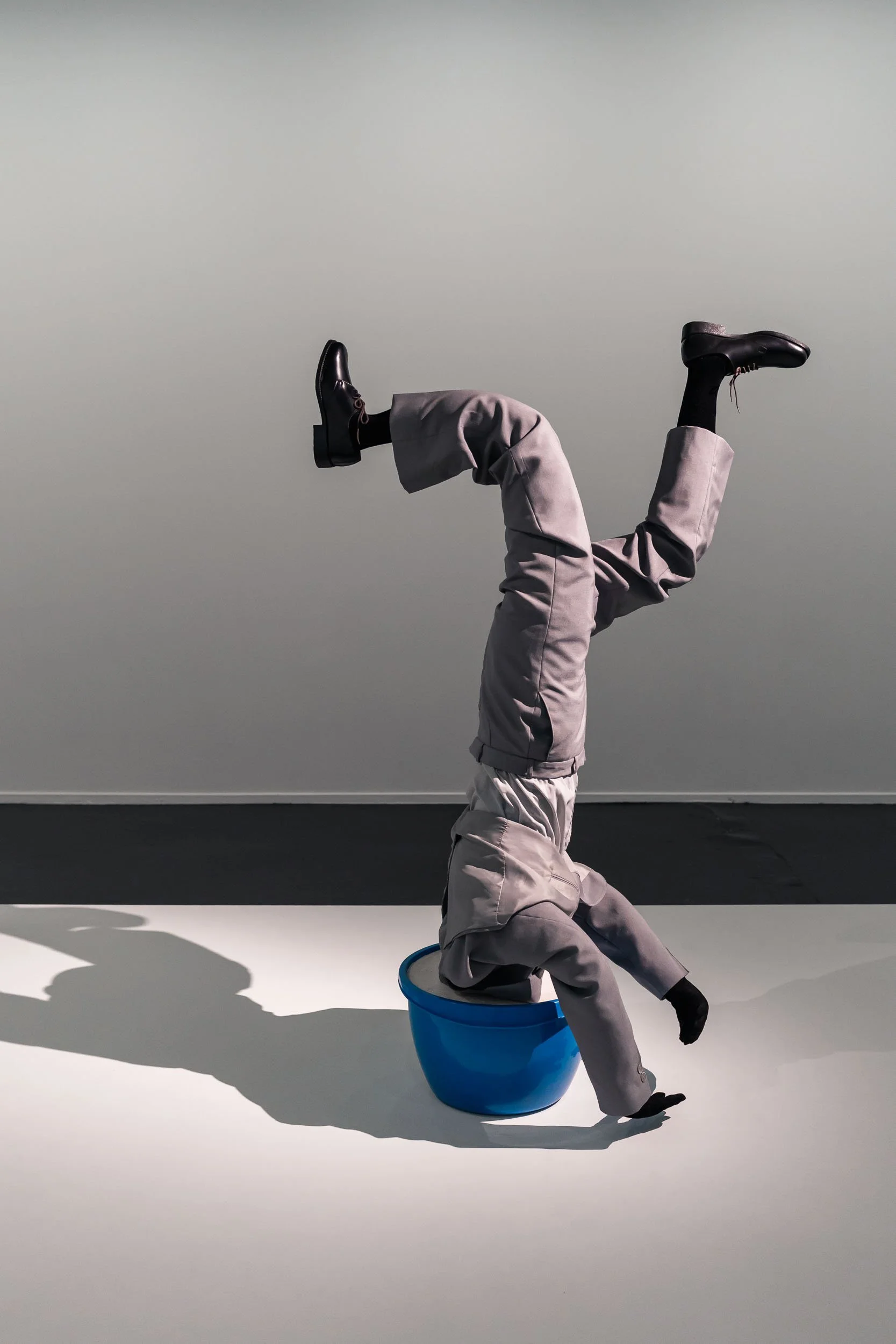
Alain Séchas, Le mannequin, 1985
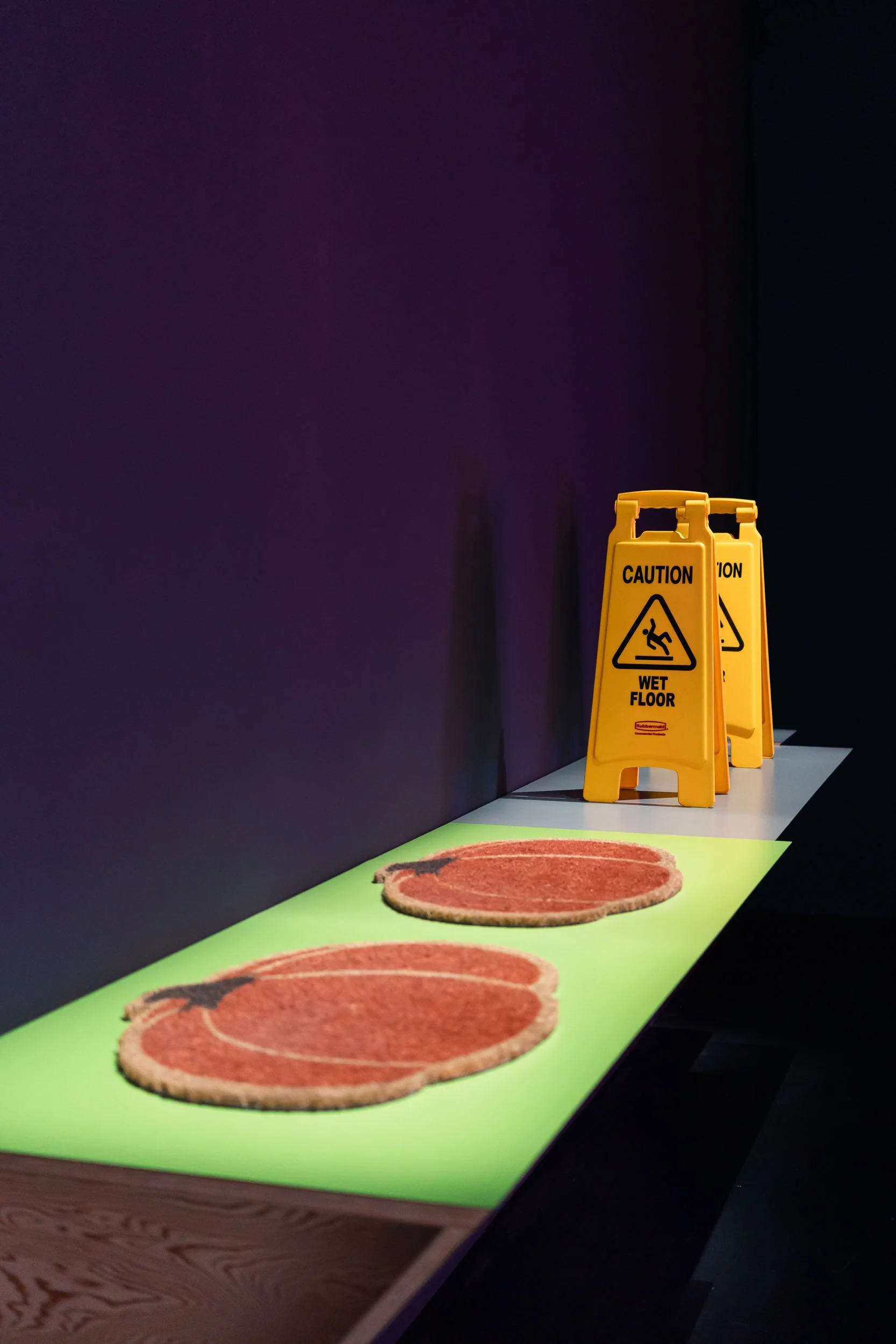
Haim Steinbach, caution, 2007
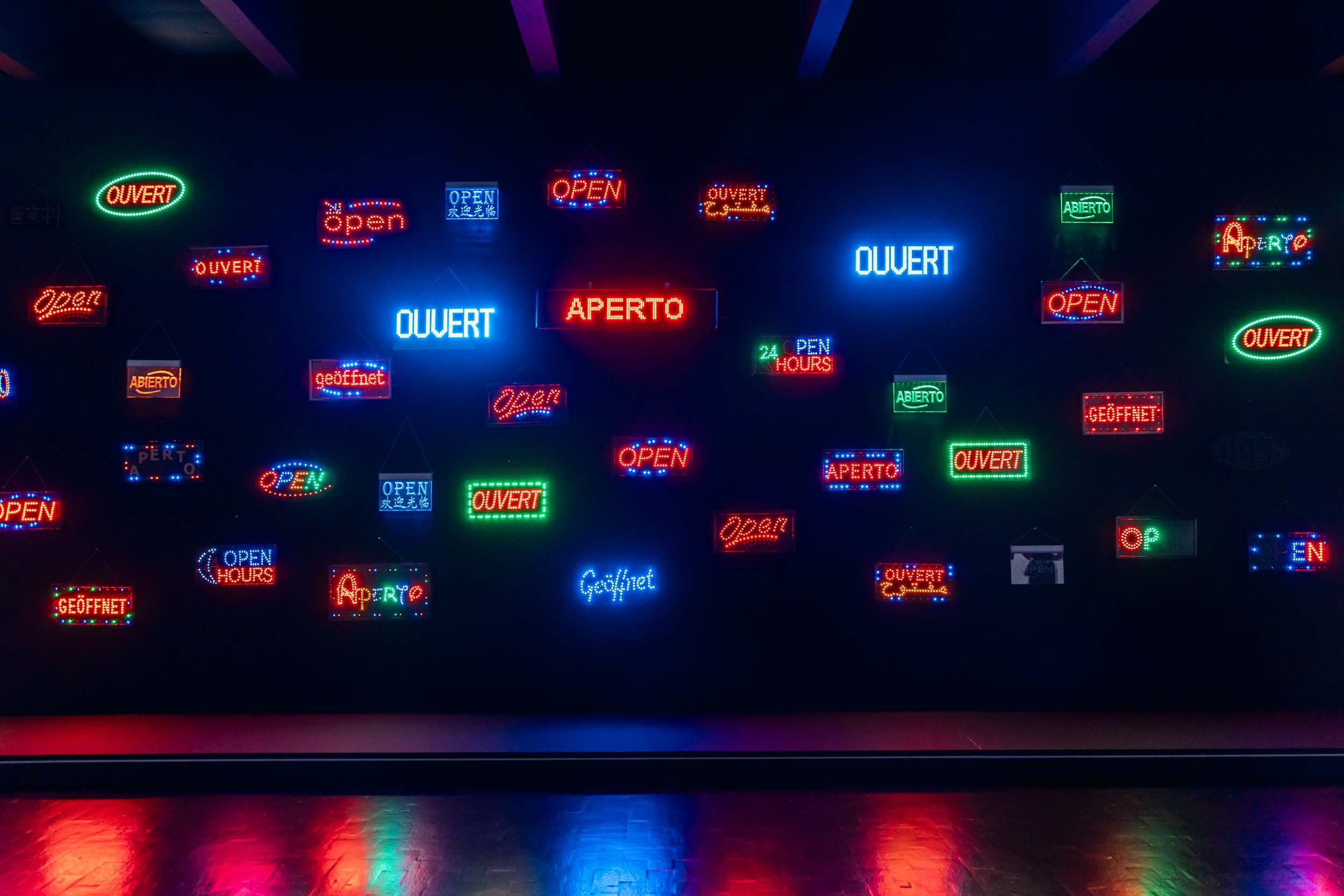
Pascale Marthine Tayou, Open Wall, 2010
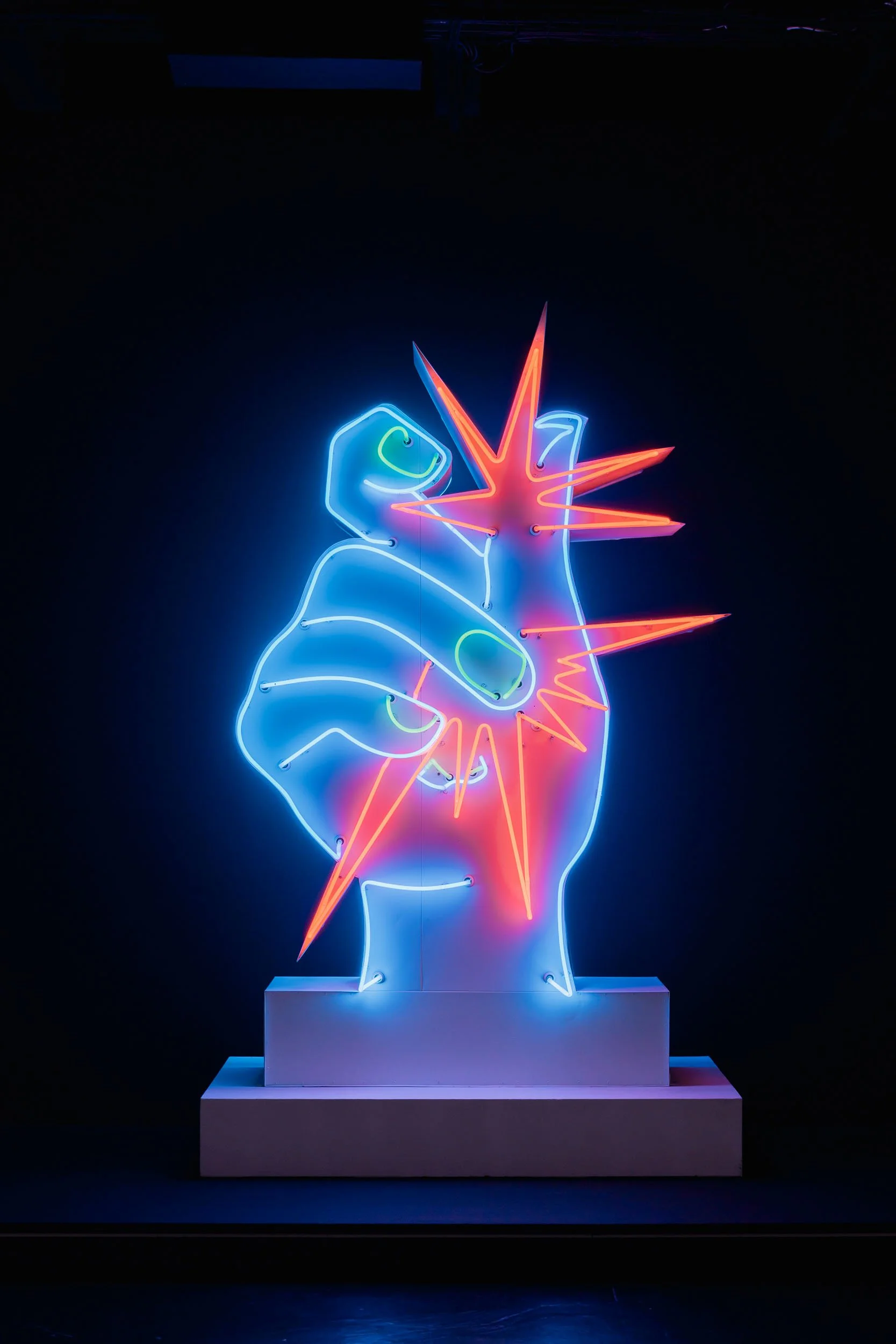
Martial Raysse, America America, 1964
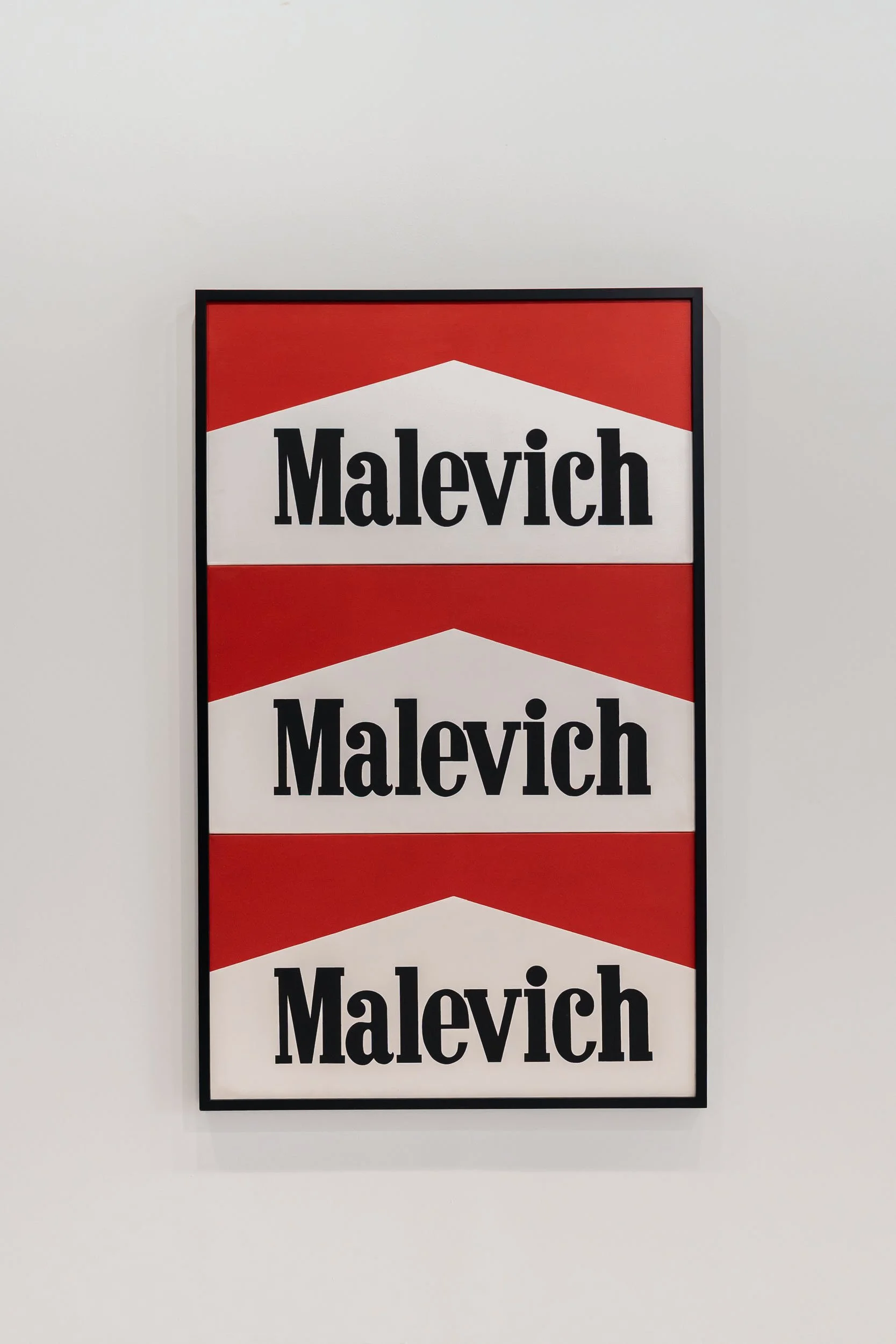
Alexander Kosolapov, Triptyque Malevitch-Marlboro, 1985
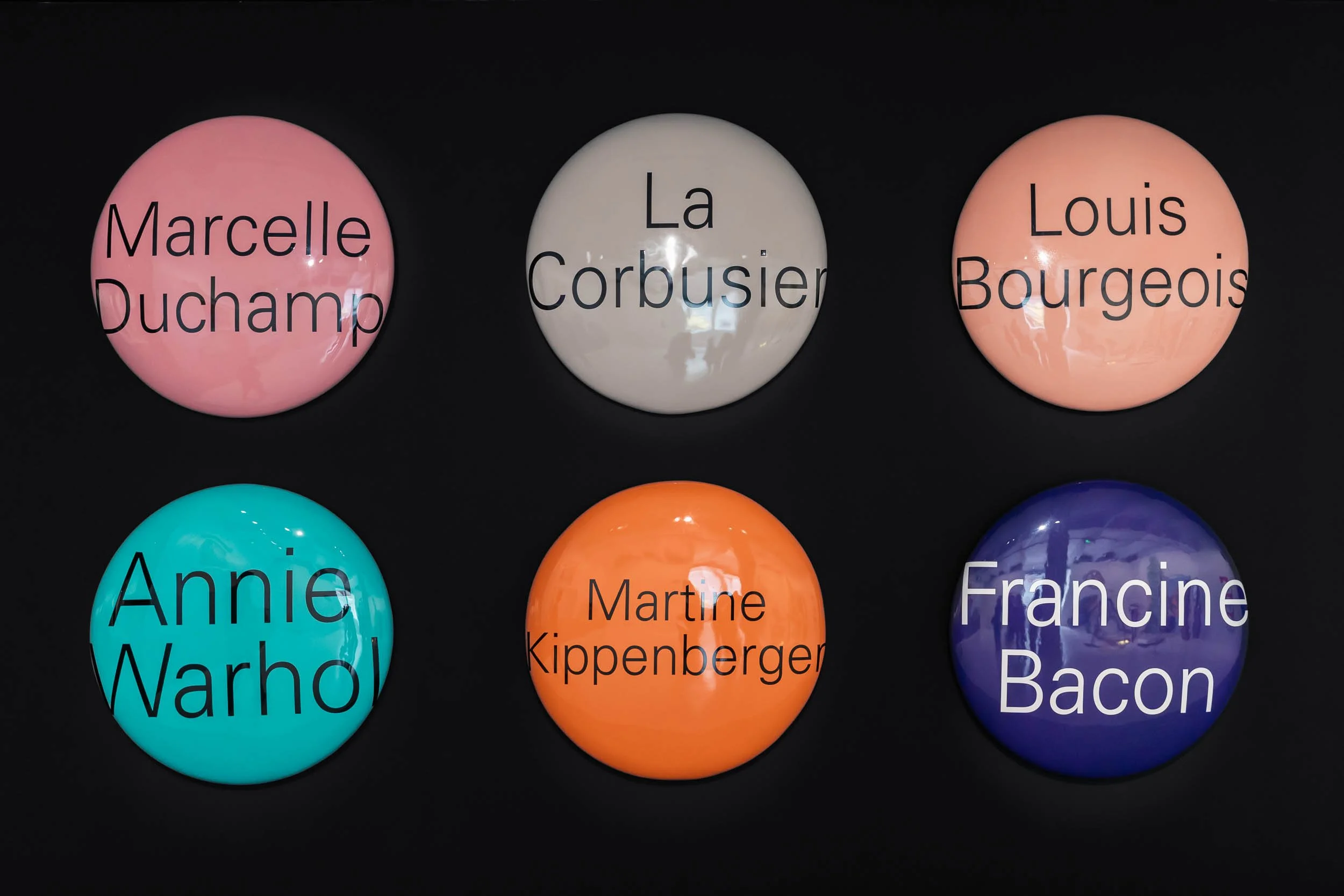
Agnès Thurnauer, Portrait Grandeur Nature (Marcelle Duchamp), 2009
Agnès Thurnauer, Portrait Grandeur Nature (La Corbusier), 1968
Agnès Thurnauer, Portrait Grandeur Nature (Louis Bourgeois), 2007
Agnès Thurnauer, Portrait Grandeur Nature (Annie Warhol), 2007
Agnès Thurnauer, Portrait Grandeur Nature (Martine Kippenberger), 2007
Agnès Thurnauer, Portrait Grandeur Nature (Francine Bacon), 2007
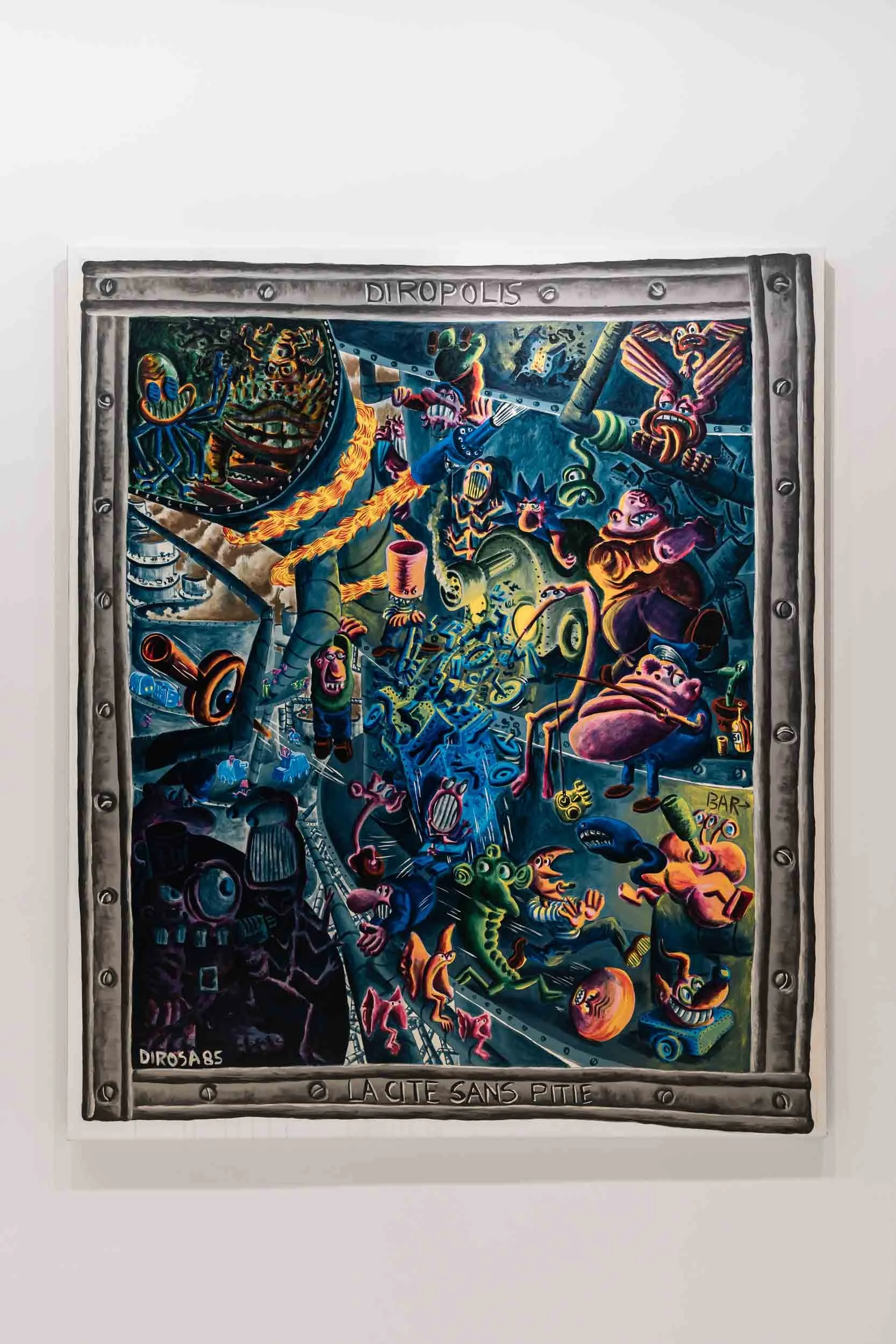
Hervé Di Rosa, Diropolis, 1985
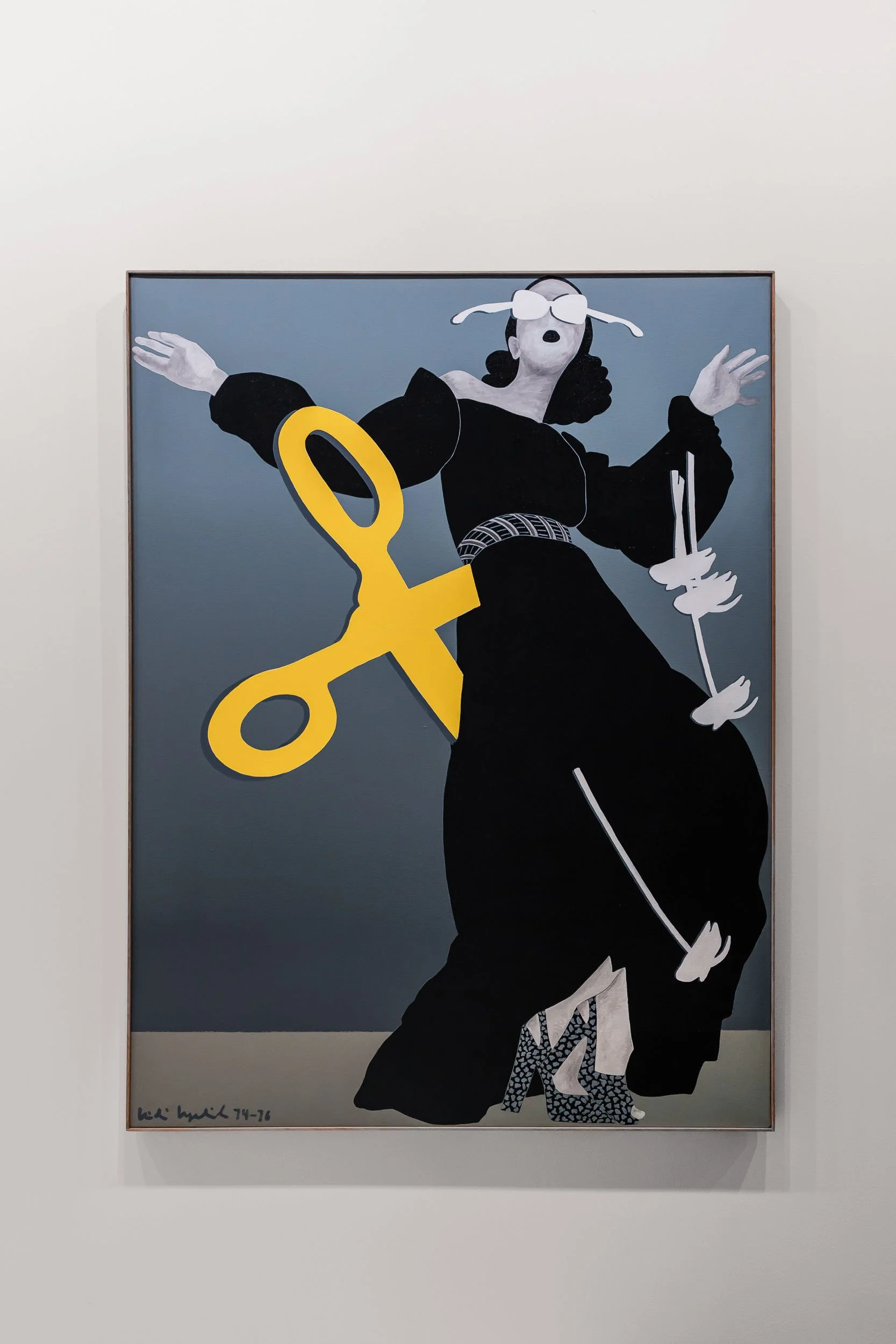
Kiki Kogelnik, It Hurts with a Scissor, 1974-1976
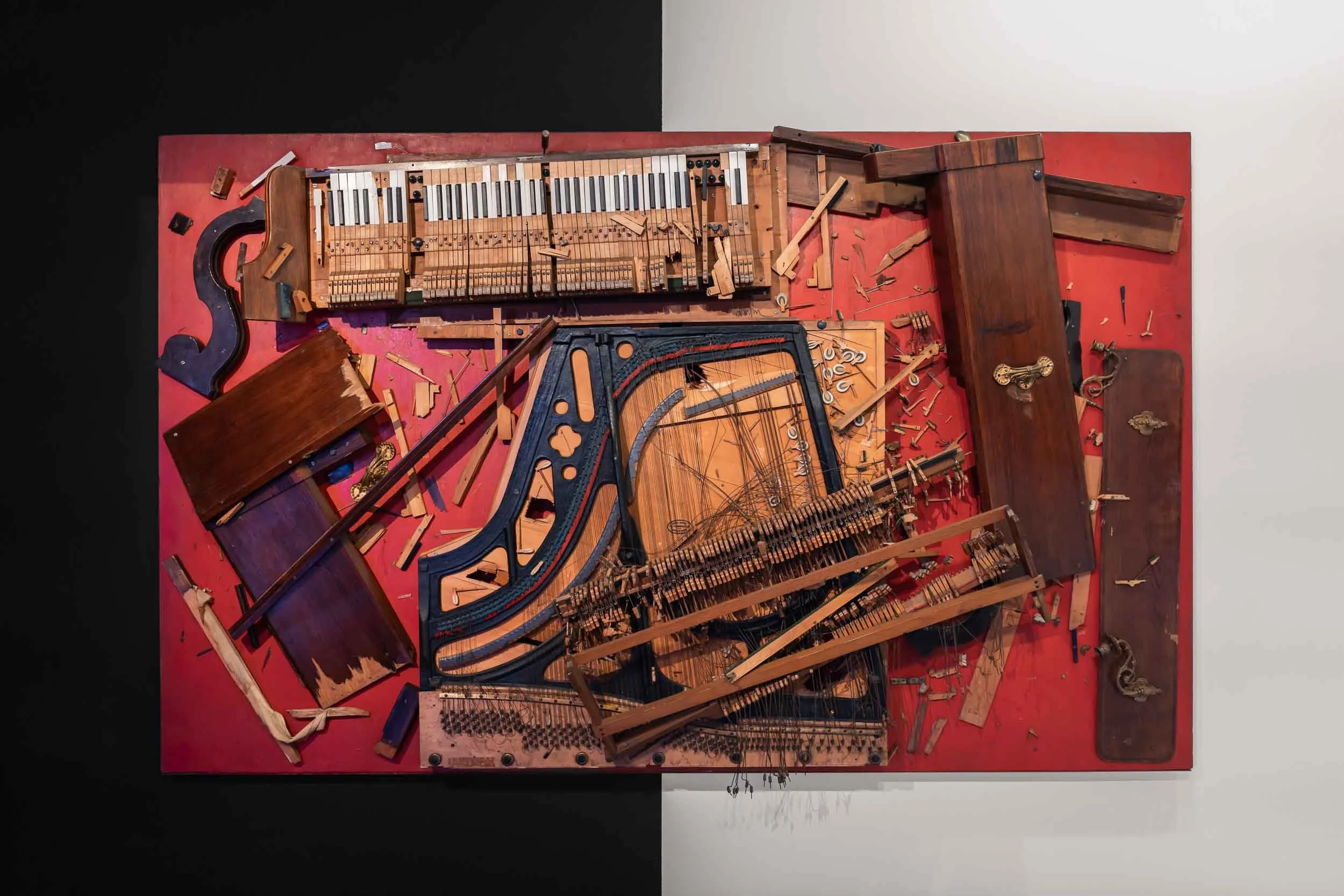
Arman, Chopin’s Waterloo, 1962
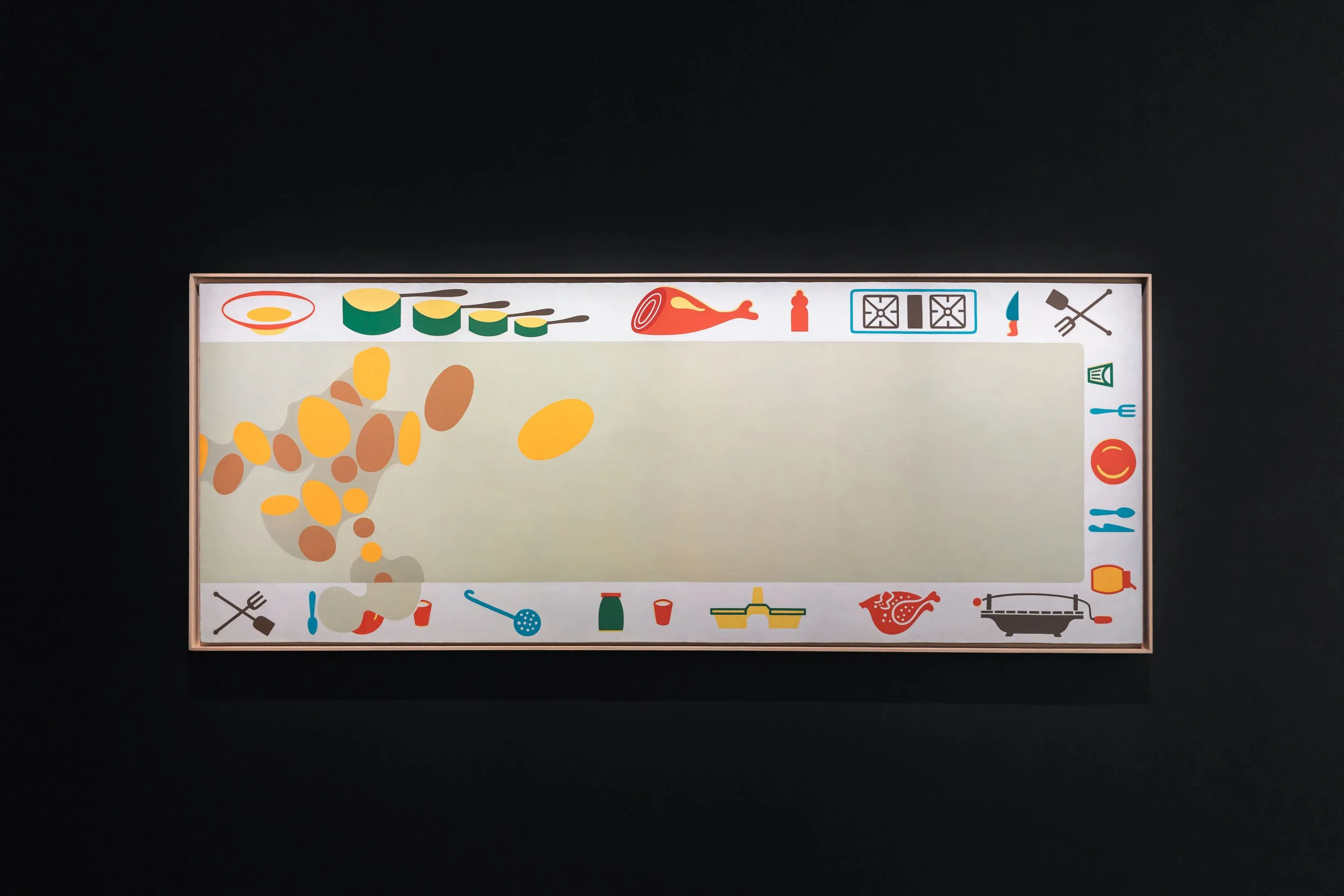
Hervé Télémaque, Caca-Soleil !, 1970
Then the second floor transports you elsewhere entirely. Here, Tripostal transforms into a research lab, bathed in dim light and digital glow. Algorithmic works by Vera Molnar depict elegant, almost fragile lines of code-based geometry across the walls, responding to early abstraction with a clean, computational edge. In another room, NFTs from the Pompidou’s pioneering collection flicker on screens—CryptoPunk faces and other pixelated avatars that feel strangely intimate when encountered in a darkened gallery rather than a browser window. Nearby, a minimal neon installation bends light into a sharp, architectural arc, proof that the dialogue between space and technology can be subtle and razor-sharp rather than loud.
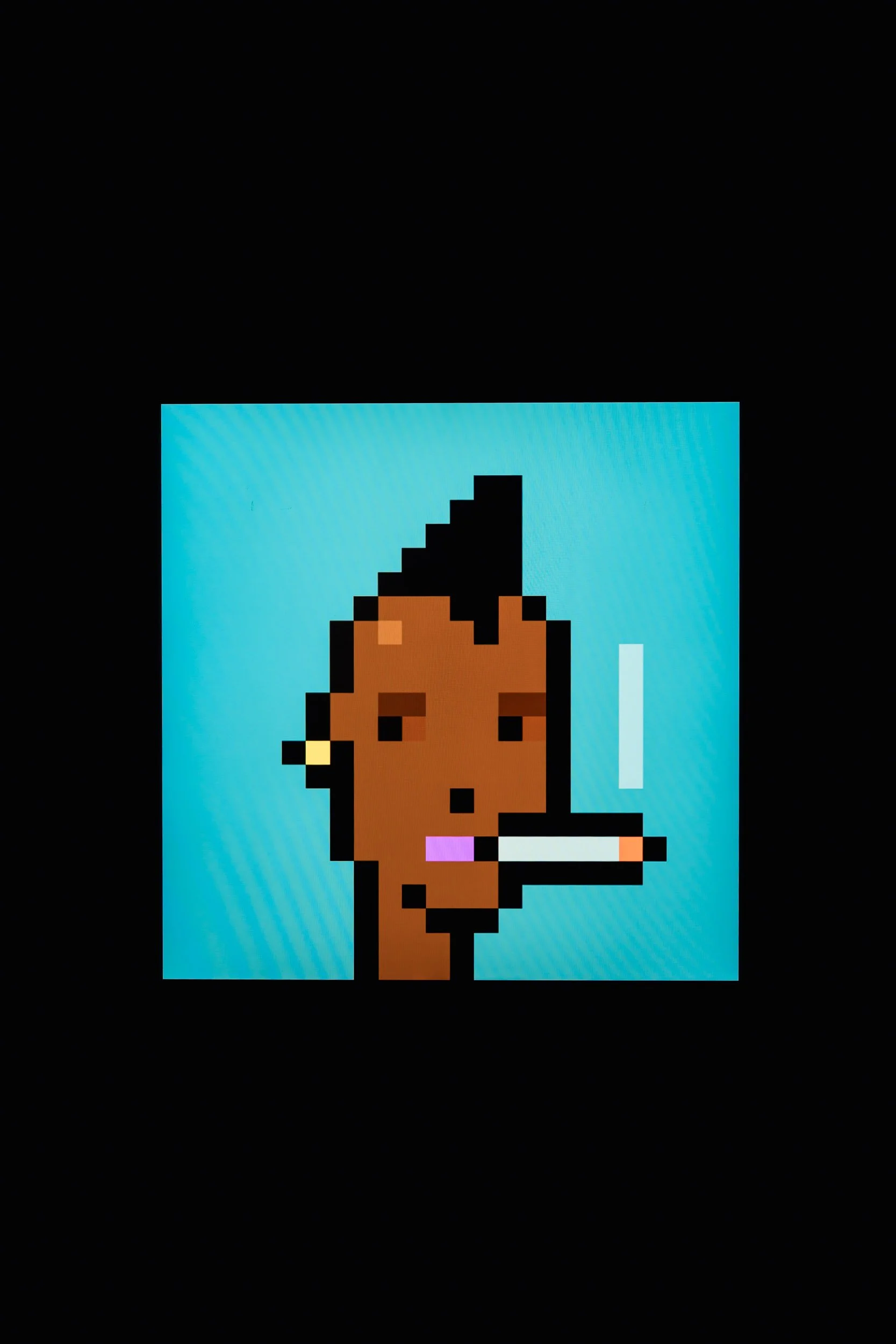
Larva Labs, CryptoPunk #110, 2021
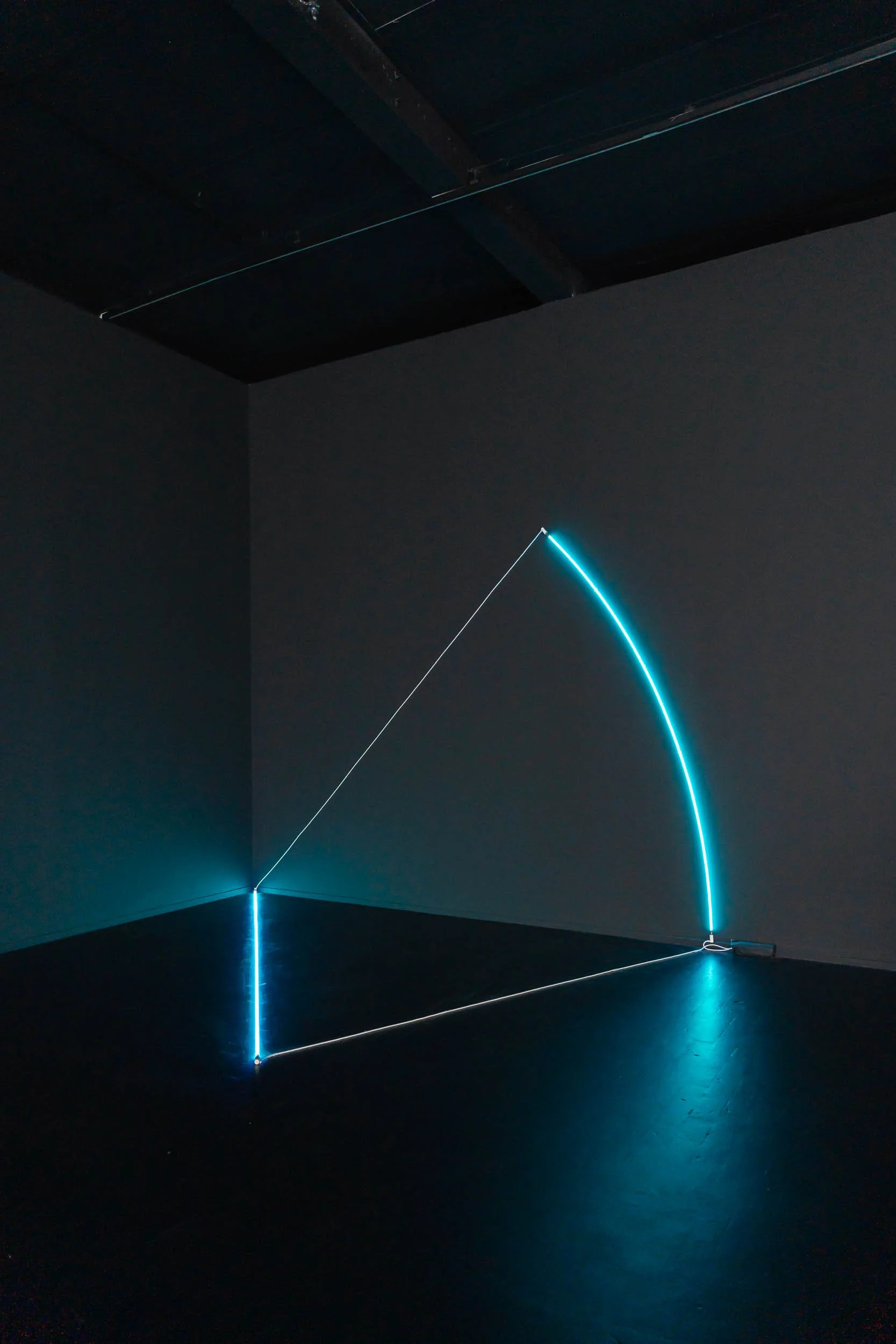
François Morellet, 1 rayon de 1/8 de cercle, 1990
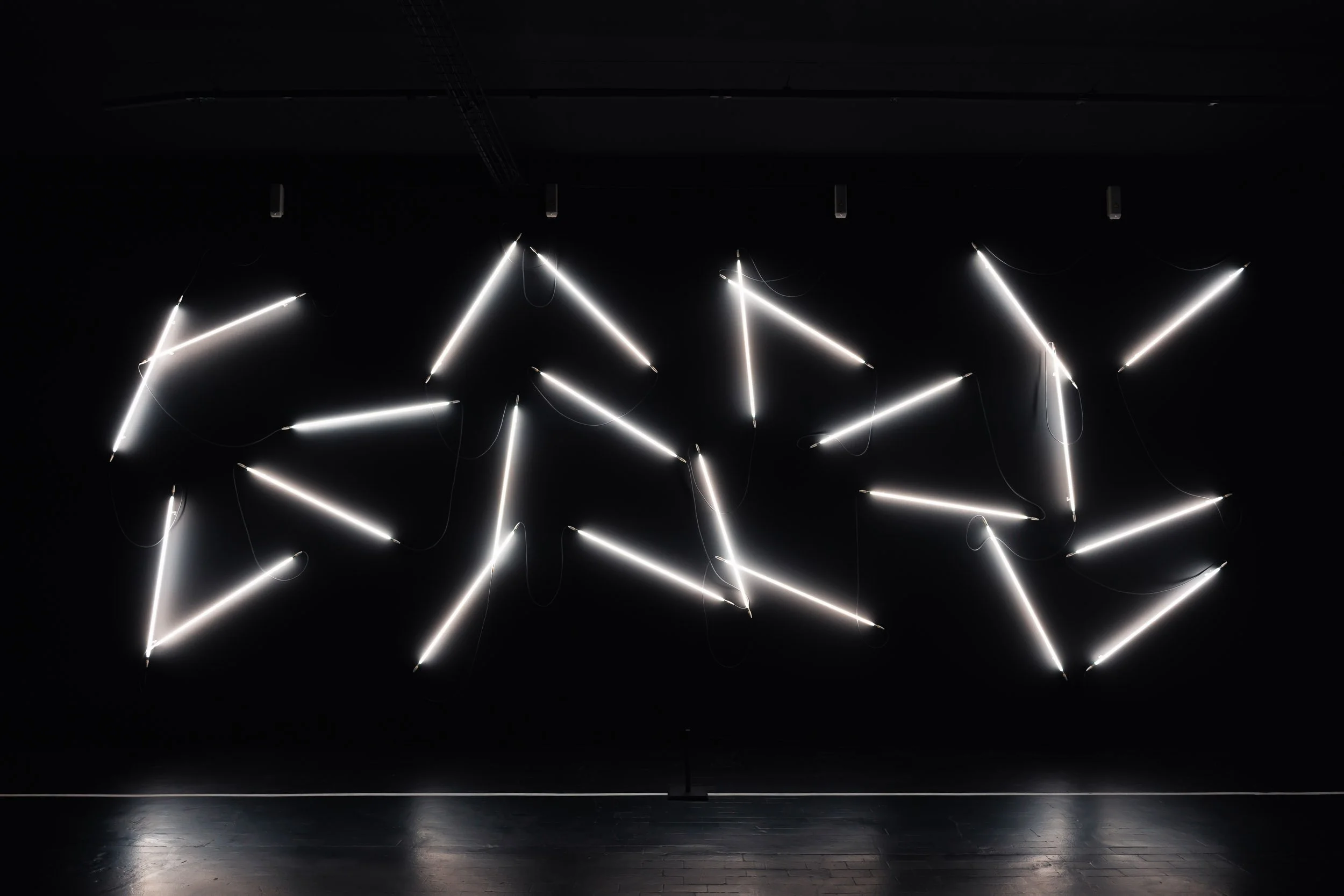
François Morellet, π Weeping Neonly n°3, 2003, white powdered argon tubes, cables, electric system
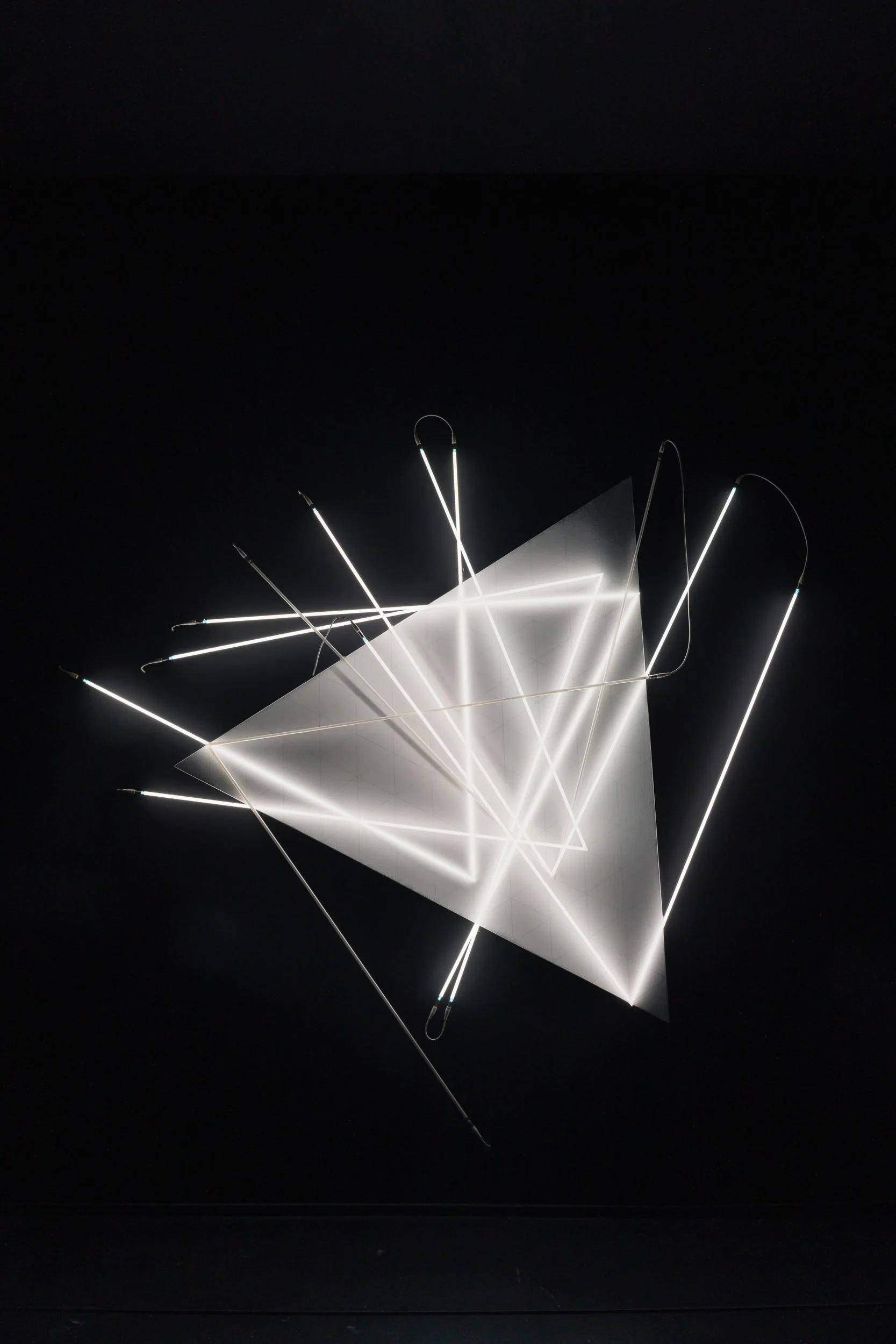
François Morellet, Triangle Neonly n°1, 1997, pencil on acrylic maroufled on wood, white argon tubes,, electrical cables
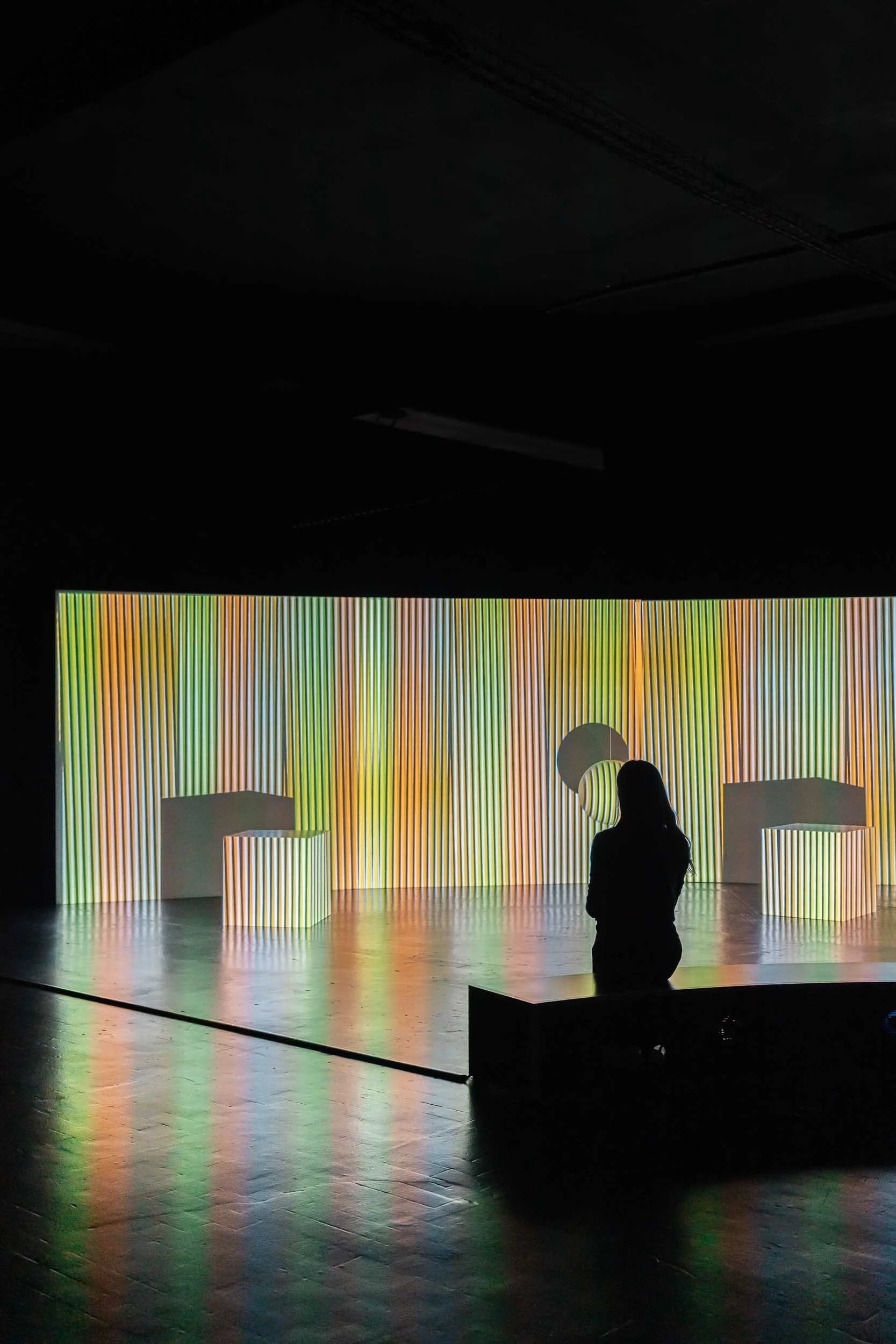
Carlos Cruz-Diez, Environnement Chromointerférent, 1974-2003, 5 projectors, digital file, electronic and computer equipment, scenographic elements
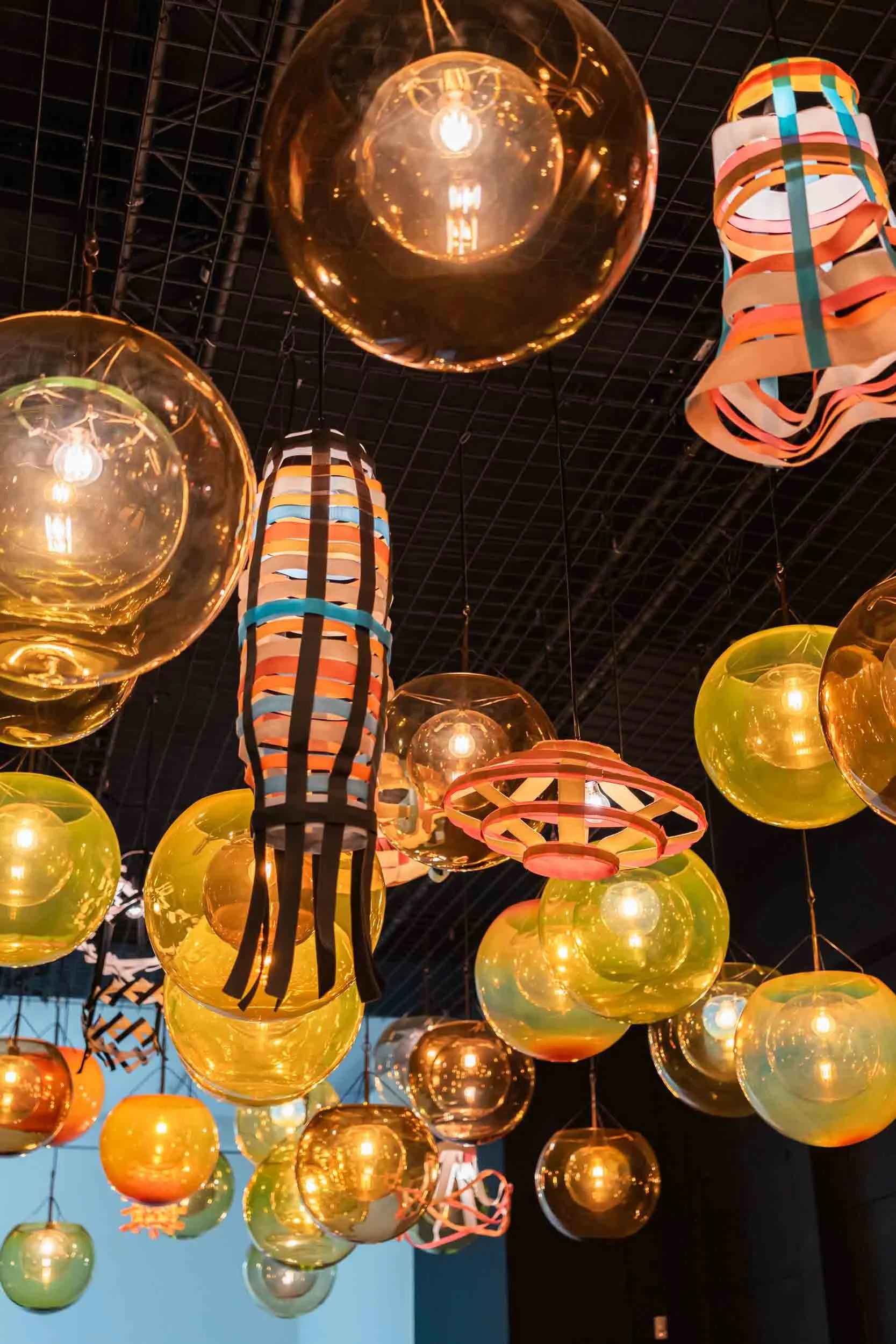
Tobias Rehberger, Outsiderin et Arroyo grande 30.04.02 - 11.08.02, 2002, glass and velcro, photo-electric sensor
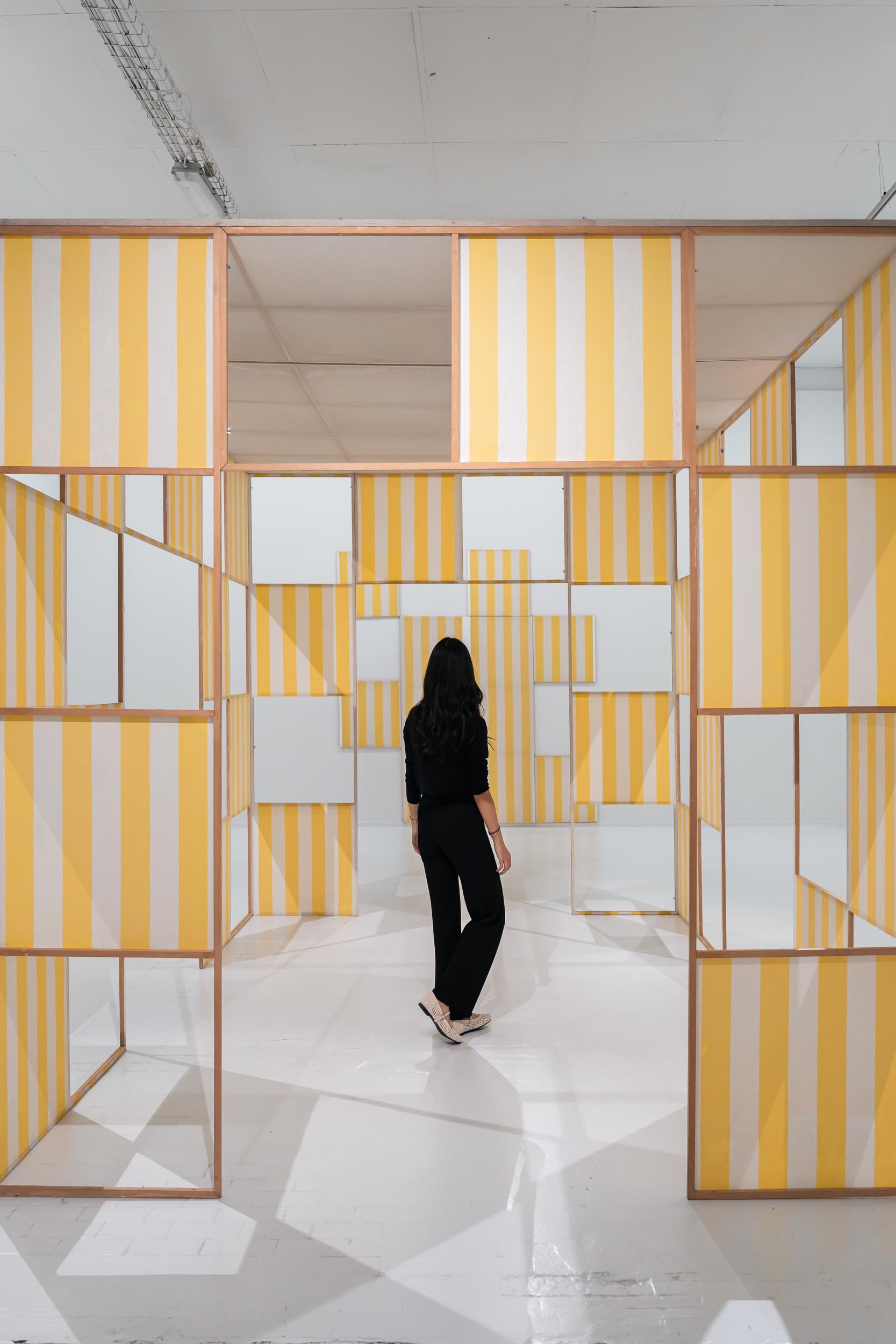
Daniel Buren, Cabane éclatée n° 6 : les damiers, 1985, wood, cotton canvas with alternating and vertical white and yellow gold stripes of 8.7 cm each (+/-0.3), white cotton canvas, white acrylic paint, glue
Across these three chapters, the exhibition continually revisits one question: how has art kept reprogramming itself to confront the shocks and fantasies of the century? The answer is expressed not through didactic wall texts but through a choreography of views and encounters. One moment, you are dwarfed by a grid of yellow-and-white striped partitions that fold and unfold as you move, turning walking into a kind of slow cinema. Next, you are beneath a suspended constellation of glowing glass orbs and sculptural lamps, a soft, industrial sky that hovers somewhere between design exhibition and dreamscape. In a projection room, vertical lines in shifting colours ripple across the walls and onto the floor, folding your own silhouette into the artwork. Elsewhere, concentric discs catch the spotlight and cast hypnotic rings of colour around the room, making even plain white walls feel newly unstable.
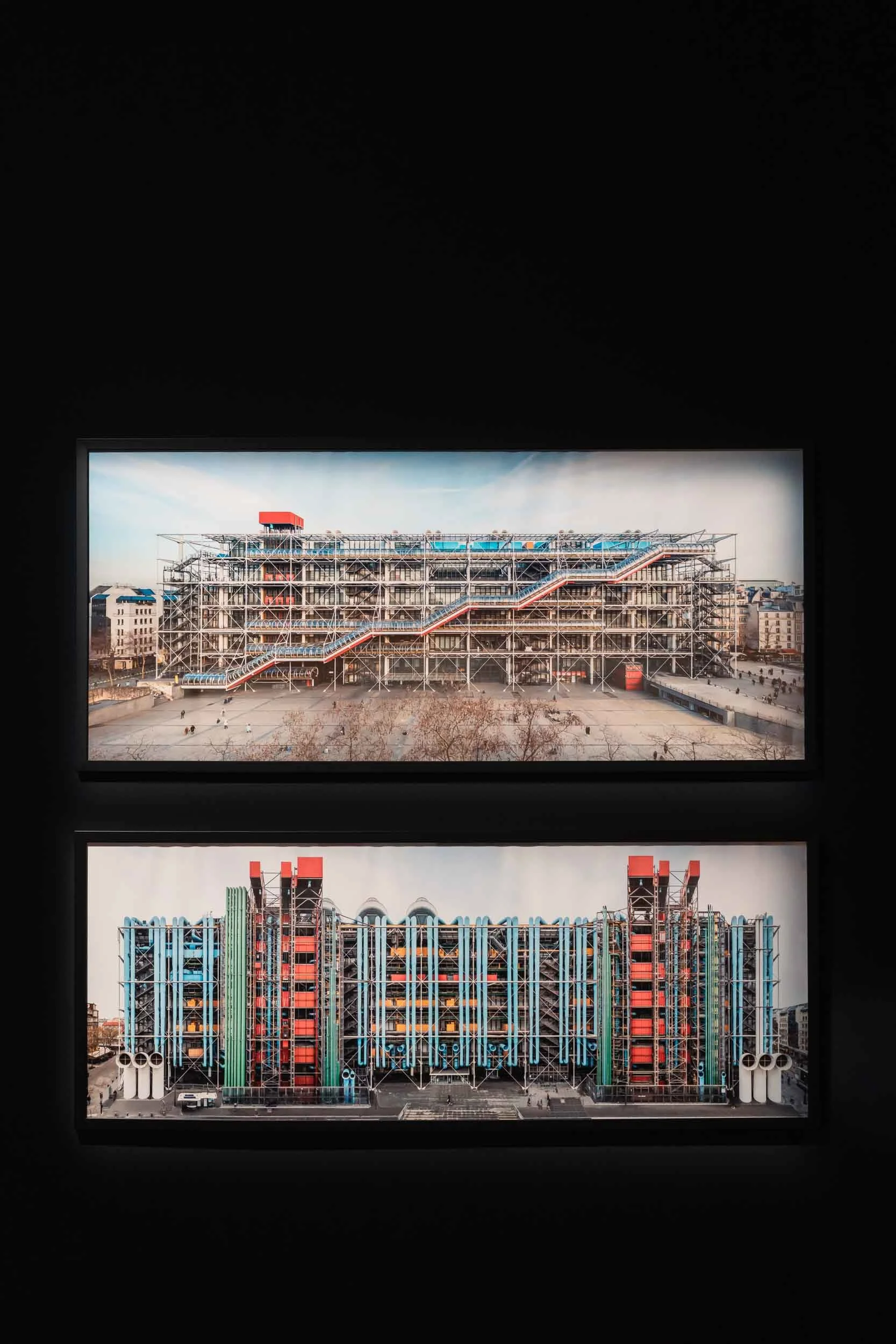
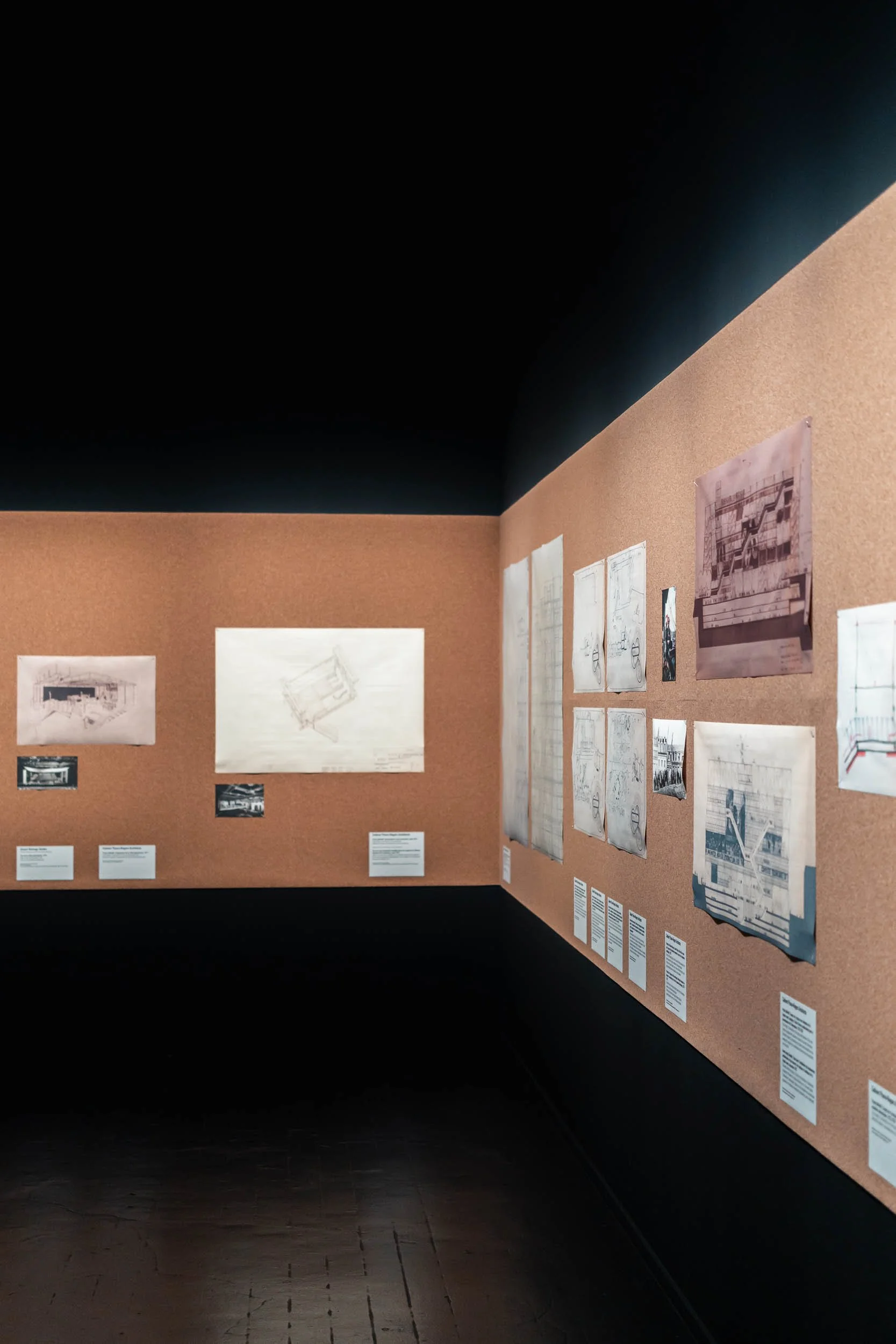
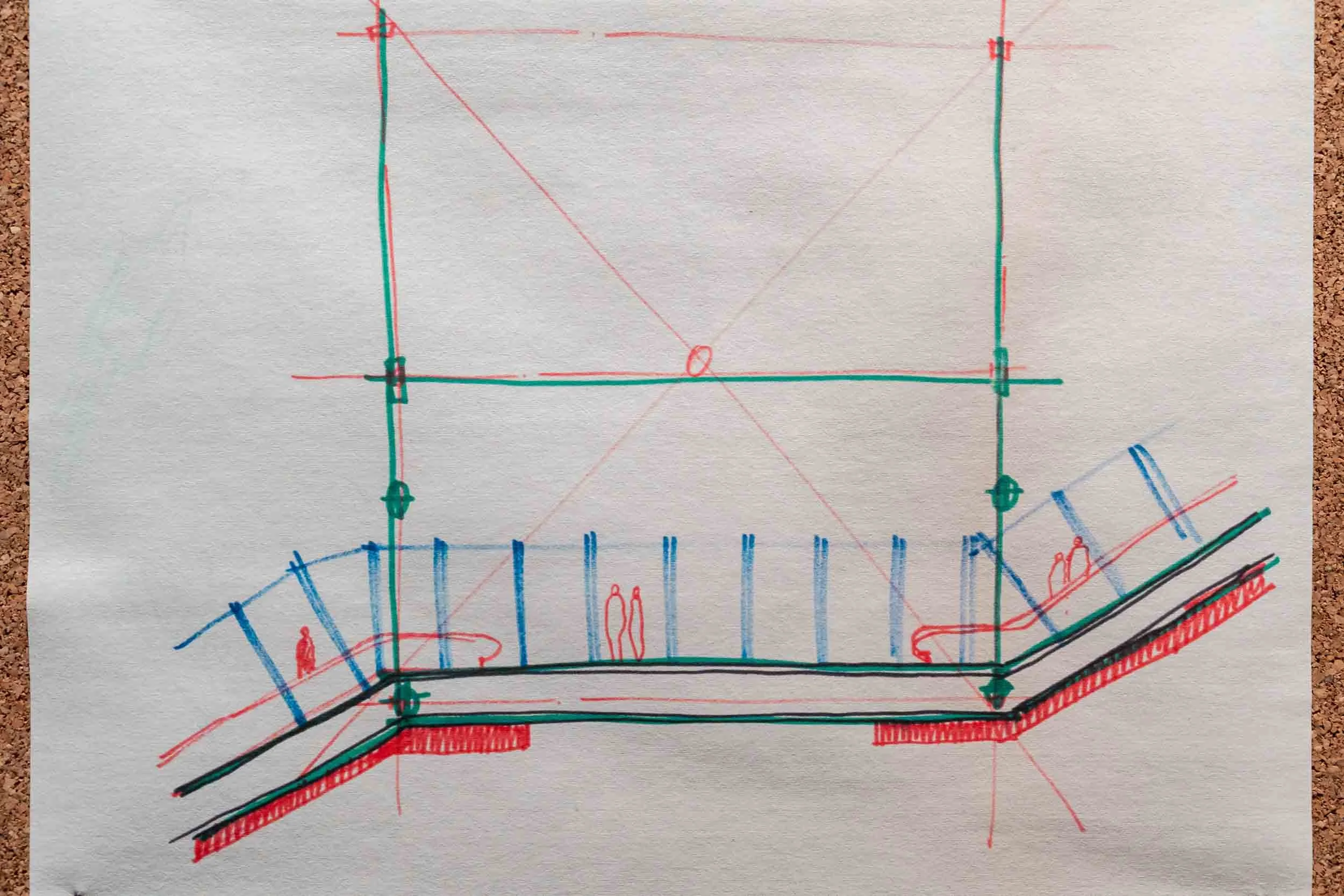
What I found most impressive is how cleverly Pom Pom Pidou acknowledges its parent institution. Near the end of the route, photographs and drawings of the Centre Pompidou’s architecture by Renzo Piano and Richard Rogers appear like a final reveal. After walking through decades of experimentation—Dada, Fluxus, Pop, digital art—you face Beaubourg itself, that famously inside-out building. It suddenly appears not as a static icon but as another radical artwork in the story you have just traversed. In Lille, those images glow on black walls, quietly asserting that architecture can be as disruptive as any neon sculpture or algorithmic print.
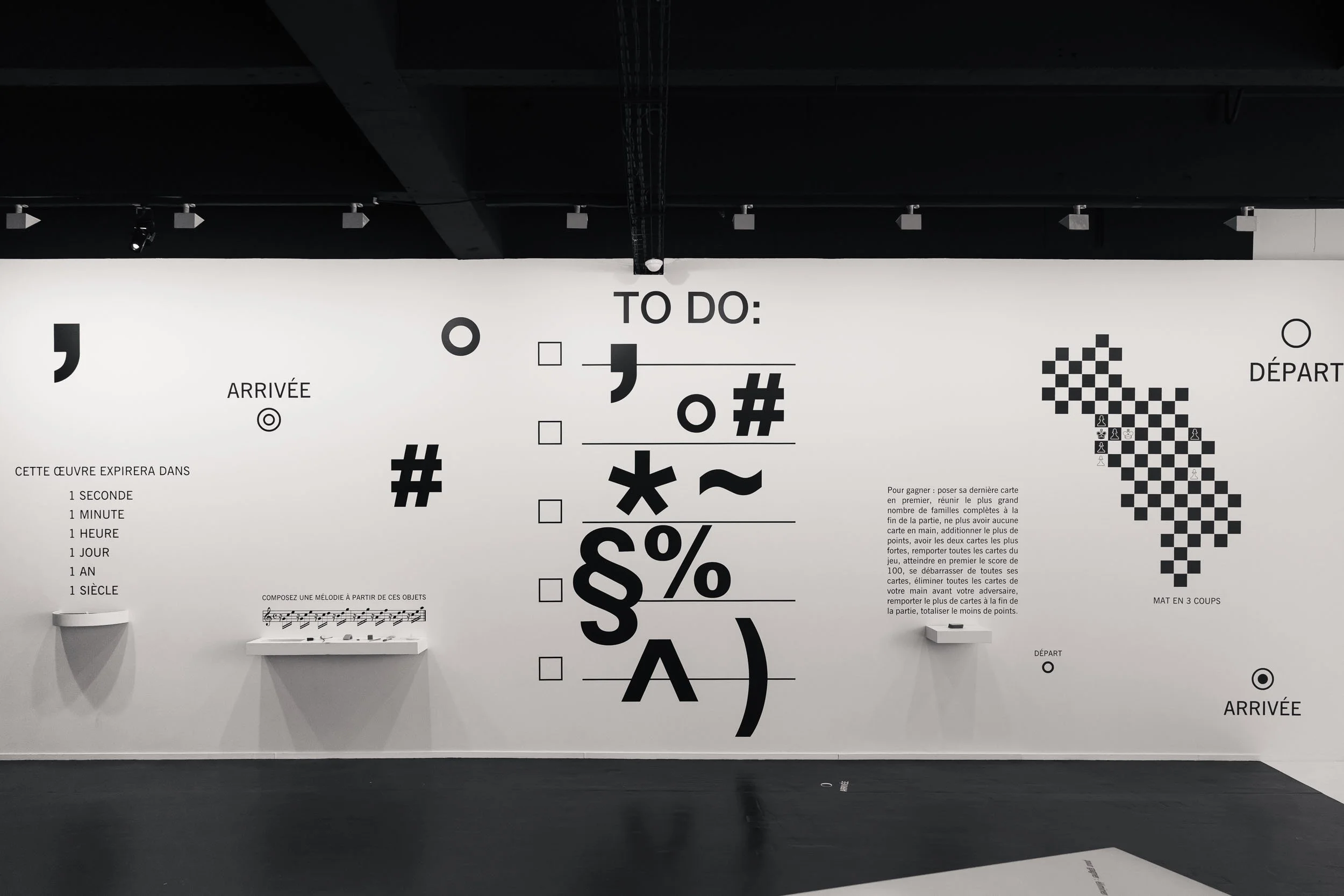
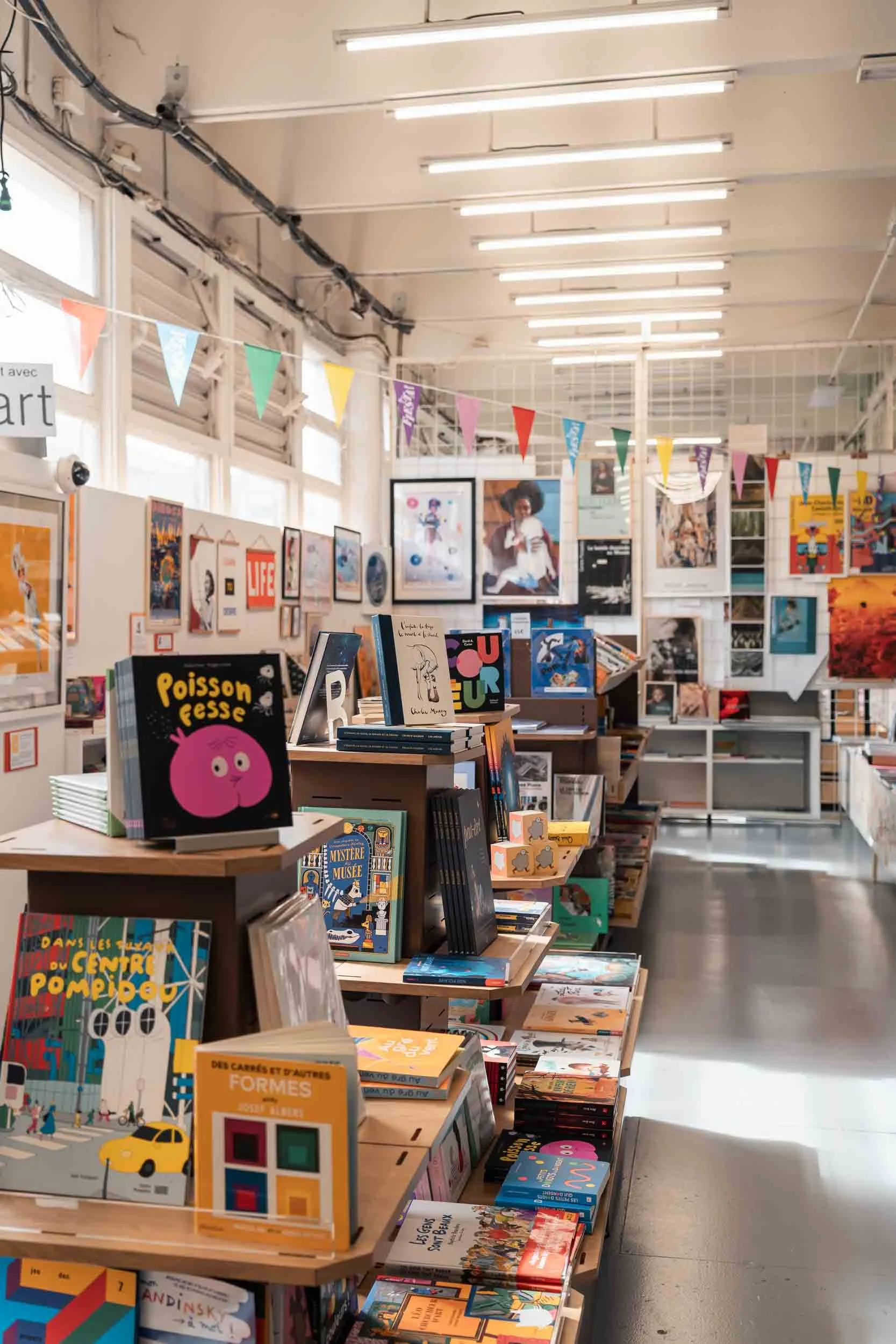
The show constantly invites rather than intimidates visitors. You are encouraged to sit, linger, and even play. A game by Elsa Werth riffs on historic Fluxus game boxes; it’s a subtle reminder that interactivity in art didn’t start with touchscreens and VR headsets. Nearby, a reading corner curated by the Centre Pompidou’s public information library invites you to immerse yourself in comic strips by Jochen Gerner, further blurring the line between high culture and everyday narratives we consume on the metro. The blend of painting, design, architecture, and comics underscores Pompidou’s renowned interdisciplinarity, but in Lille, it feels especially lively—like the museum has unclenched and decided to show its working notes alongside its masterpieces.
Personally, I loved how the exhibition moved seamlessly between spectacle and intimacy. Some rooms dazzle on entry: the neon hand mid-snap, ringed by jagged bursts of red light, is impossible to ignore and oddly celebratory, like a graphic novel panel that has grown up and moved into a gallery. Others are whisper-quiet, where a single neon line tracing the edge of a floor and wall feels as fragile as a fleeting thought. The playful wall of candy-coloured discs inscribed with mischievous art-world names adds a cheeky touch to the otherwise solemn canon. Pom Pom Pidou is dense but surprisingly fun, like revisiting art history without the anxiety of an exam. The sheer volume of works can feel overwhelming, but that abundance was part of the charm; modern art has never been minimal in its ambitions.
Thoughts: Walking Out of Beaubourg in Exile
The blend of Tripostal’s industrial honesty and Pompidou’s restless, experimental spirit makes this exhibition feel more like a cultural hybrid than a simple loan show. I loved how the narrative never flattened into a dry timeline. Instead, it was like flicking through a particularly opinionated visual novel on modern art, where Delaunay, Duchamp, Molnar, and a CryptoPunk can coexist quite happily within the same story.
I’m no art connoisseur, and I very much prefer art that is sensory fireworks in the most aesthetic way possible. For me, a few rooms tipped a little too far into didactic territory, especially near the end, where architectural models and archival material take centre stage. That said, they are fascinating if you are already deeply engaged with museum architecture; the overall balance between scholarship and spectacle felt refreshingly mature. It trusts you to handle complexity while still offering plenty of luminous moments to simply enjoy.
What stayed with me afterwards was not a collection of encounters: the buzz of neon shop signs in languages; the quiet click of recognising Beaubourg’s façade in a backlit photograph; the delight of watching stripes and light reshuffle the room around my shadow. Pom Pom Pidou makes a convincing case for viewing art history not as a tidy sequence of isms, but as a beautifully chaotic fiesta of disruptions, reroutings, and second chances. And for a few months in Lille, that fiesta has a very real address.
Related Posts
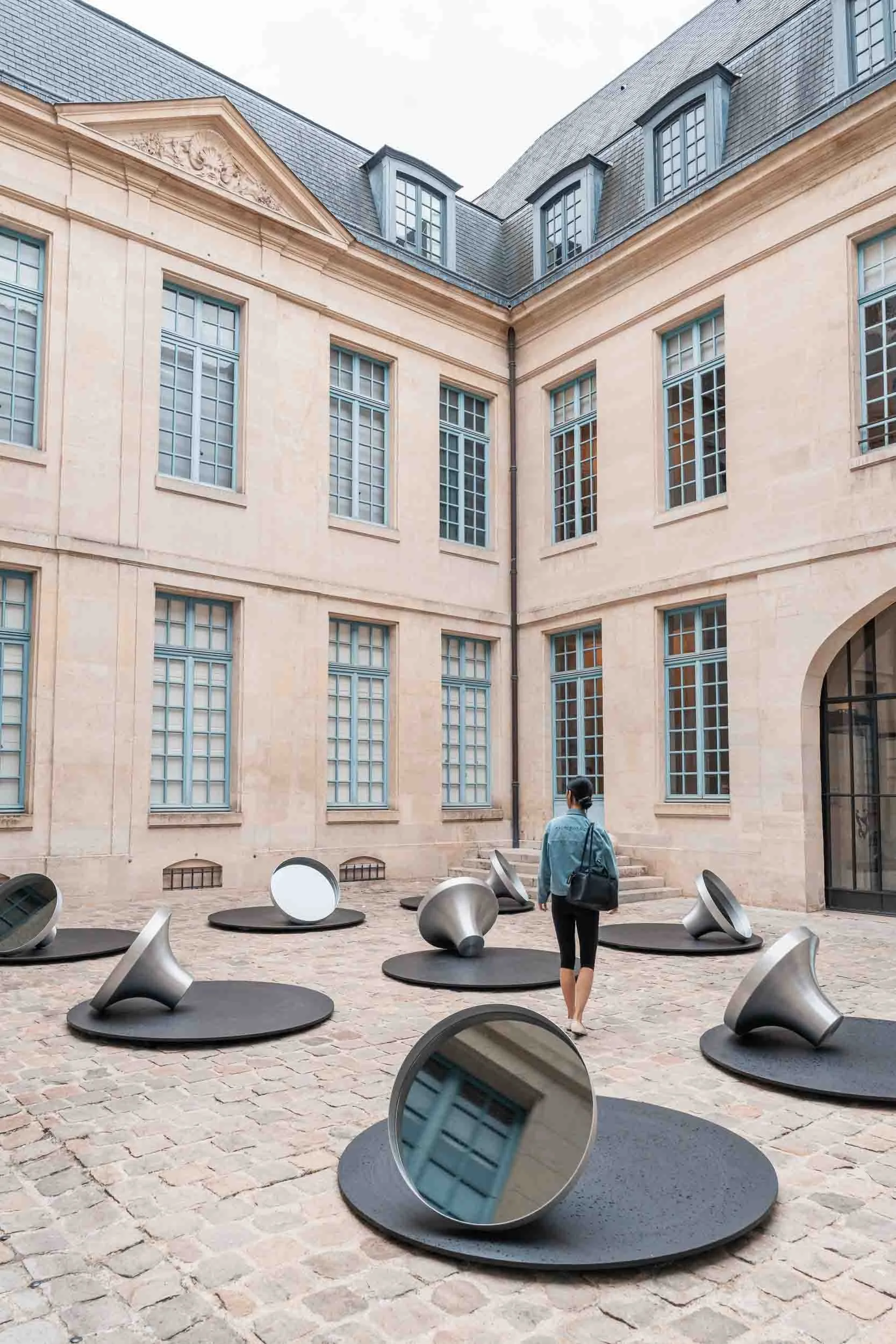
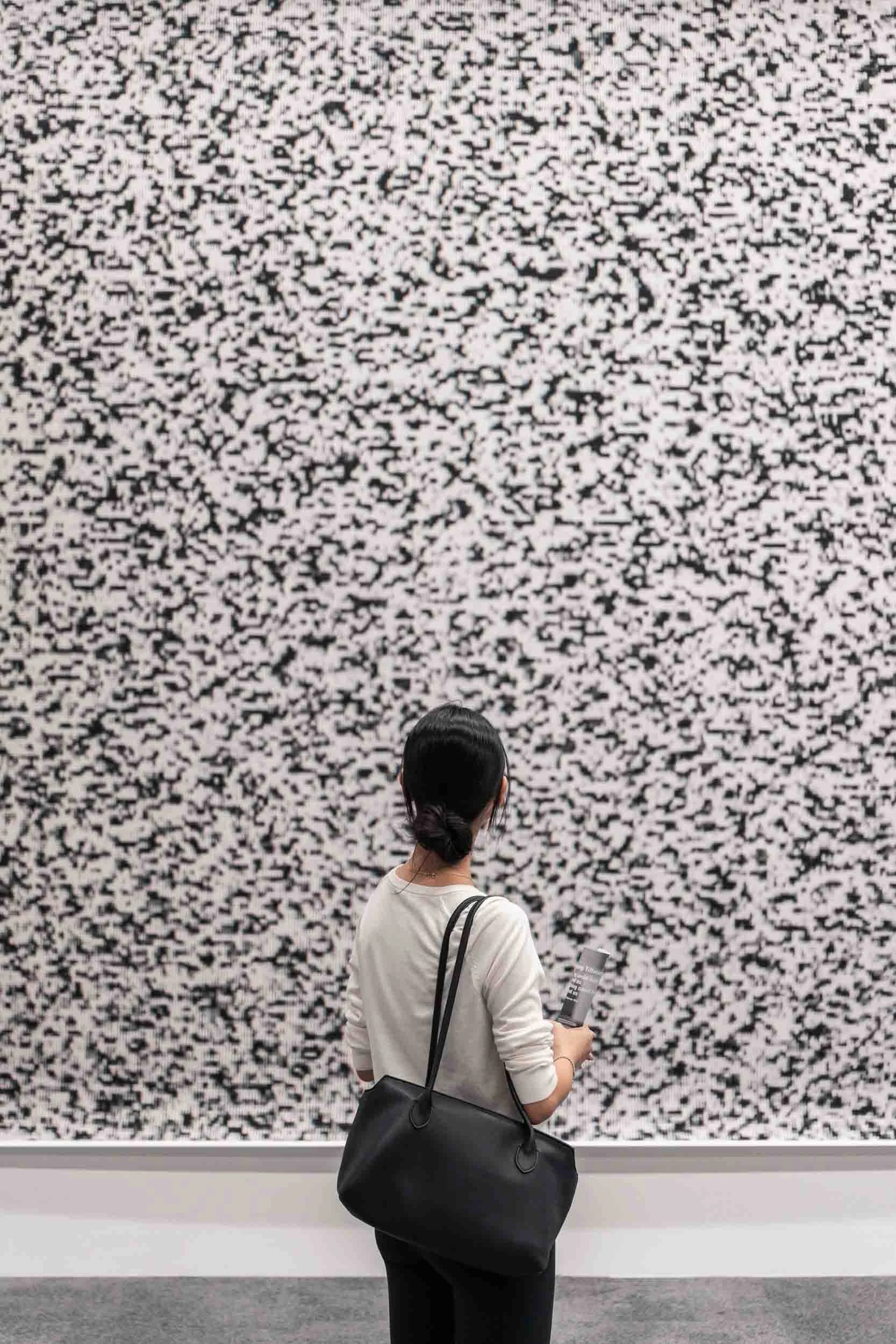

Three site-specific installations for the Museum of Fine Arts, each with its own personality. Optical illusions or a graphic designer's fever dream?