
A Fire Sparkling: Secrets, Scars, and the Women Who Outlast War
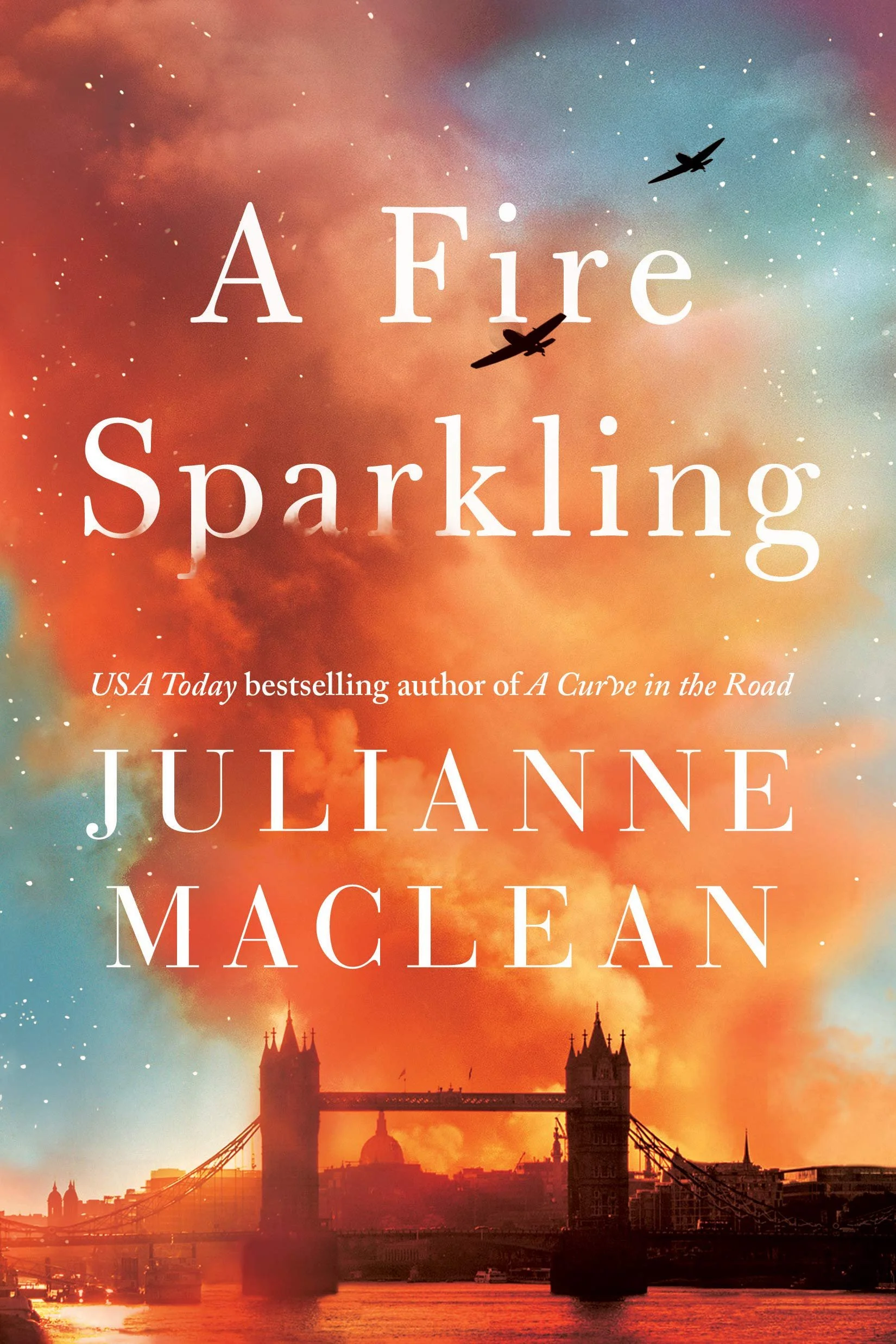
There are novels you don’t so much read as fall headlong into, and A Fire Sparkling by Julianne Maclean is one of them. It opens as a family mystery and slowly unfurls into a sweeping World War II drama, stitched together by three generations of women who cannot quite escape the shadows of the past. We move between present-day London and wartime Europe, uncovering long-buried secrets, betrayals, and the kind of moral grey zones that make you question what you would have done in their place.
Maclean keeps the plot nippy without turning it into a historical soap opera. There is romance, yes, but it is laced with wartime compromise and the brutal calculus of survival. The central thread circles around love under occupation and how a single choice can echo through decades. I appreciated that the men are not all noble soldiers and the women are not conveniently selfless saints; everyone is a little bit flawed, a little bit desperate, which makes the story feel oddly intimate despite its cinematic scale.
“Sometimes you think you know someone, but maybe it’s impossible to really know everything about a person, even someone you love. Maybe good people—the very best people—are just better at keeping secrets.”
What really stayed with me, though, are the themes of war, memory, and the stories families tell to stay intact. Reading it now, with the war in Ukraine dragging on in the background of our newsfeeds, is frankly heartbreaking. Maclean’s depiction of bombed cities, refugees, and moral compromise is a sharp reminder that “far away” wars are never really far. The novel quietly asks what happens when the world gets tired of caring, when a conflict stops trending, but people are still losing homes, histories, and loved ones. It made me uncomfortably aware of how fast we scroll past headlines, as though attention fatigue were a valid excuse while lives are dismantled in real time.
Maclean doesn’t preach, but she does force the question: Does anything good ever come out of international warfare? In her world, the only slivers of “good” are the bonds between people who refuse to let cruelty have the final word—friendships in shelters, risky acts of resistance, imperfect love that survives occupation and suspicion. It’s not redemption for war; it’s resilience in spite of it. The novel is honest enough to admit that no amount of romance or heroism balances the scales. At best, we get fragments of beauty in the wreckage.
Stylistically, A Fire Sparkling is highly readable historical fiction, accessible even if you’re not usually a World War II enthusiast. I found myself inhaling chapters on the commute, alternating between admiration and faint irritation whenever a character made a spectacularly poor decision—but that’s half the fun, isn’t it? Between the twisty family saga and emotional payoff, certain reveals were telegraphed a touch early. Still, the journey is worth it; knowing a wave is coming doesn’t make it any less powerful when it hits.
If you’re in the mood for a multigenerational story that blends romance, betrayal, and the long aftershocks of conflict, A Fire Sparkling is a poignant reminder that even when wars officially end, they keep burning quietly in people’s lives for generations.
This post may contain affiliate links, meaning we receive a commission when you click the links and make a purchase.
Related Posts

A family mystery, wartime romance, and the kind of moral grey zones that linger long after the bombs stop falling—this novel hit closer to home than I expected.