
Beneath a Scarlet Sky: Courage, Love, and Quiet Devastation in WWII Italy
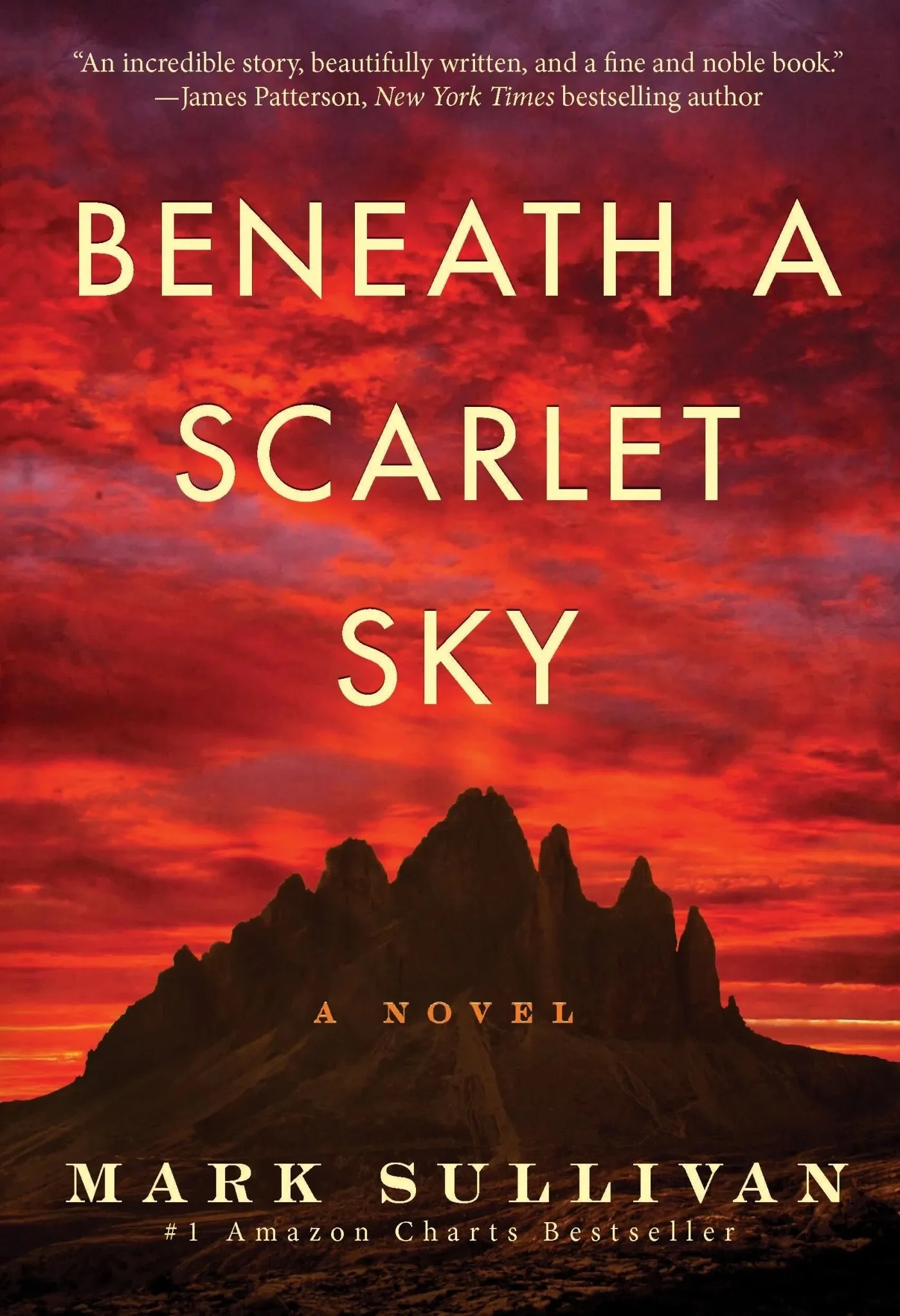
I finally read Beneath a Scarlet Sky by Mark Sullivan, and, not to be dramatic, this was perhaps my favourite historical fiction novel yet. Set in Nazi-occupied Italy during the final years of the Second World War, it follows Pino Lella, a teenager whose life is hijacked by history. One minute, he’s chasing girls in Milan; the next, he’s guiding Jewish refugees through the Alps and spying on the Nazis from the inside. It’s based on a true story, which makes the whole thing feel even more uncomfortably real – as if history has just pulled up a chair at your kitchen table.
Sullivan’s writing is cinematic without being indulgent, which is probably why this book has become a go-to recommendation in the World War II historical fiction corner of the internet. The pacing is brisk, almost thriller-like, but there’s enough emotional depth that you don’t feel you’re speed-walking past the trauma. I found myself completely absorbed in the tension of occupied Italy: the bombings, the betrayals, the moral tightrope of survival. As much as it’s a war story, it’s also a love story, both romantic and familial, with the kind of heartbreak that is poignant rather than manipulative.
“We never know what will happen next, what we will see, and what important person will come into our life, or what important person we will lose. Life is change, constant change, and unless we are lucky enough to find comedy in it, change is nearly always a drama, if not a tragedy. But after everything, and even when the skies turn scarlet and threatening, I still believe that if we are lucky enough to be alive, we must give thanks for the miracle of every moment of every day, no matter how flawed. And we must have faith in God, and in the Universe, and in a better tomorrow, even if that faith is not always deserved.”
Thematically, Beneath a Scarlet Sky is about courage that looks terribly ordinary from the outside. It explores resistance, complicity, faith, and the cost of doing the “right” thing when every option seems morally contaminated. Reading it in the context of current affairs – rising extremism, civilians caught in conflicts they didn’t start, the messy grey areas of collaboration versus resistance – feels uncomfortably timely. It’s a reminder that heroism often appears in hindsight; at the time, it’s just people stumbling through chaos, hoping they’ve chosen the lesser evil.
What I appreciated most was how flawed Pino is allowed to be. He is brave, yes, but also young, impulsive, and frequently in over his head. That fallibility makes the story of Italian resistance and everyday heroism more relatable than the usual polished war-hero archetypes. As a reader who loves character-driven historical fiction, I found that blend of vulnerability and grit really did it for me.
While I barely looked up from my novel for two days, to keep it honest, I did feel that some of the dialogue occasionally veered into “Hollywood script” territory. There are also a few scenes so dramatic you might instinctively question their accuracy, though Sullivan explains in his notes how closely he worked with the real Pino and the historical record. Still, none of that ever overshadowed the story's emotional impact.
If you’re into World War II novels, Italian history, or simply love a historical epic that balances romance, espionage, and moral complexity, Beneath a Scarlet Sky is more than worth the heartache. It lingers, in that quietly devastating, beautifully human way.
This post may contain affiliate links, meaning we receive a commission when you click the links and make a purchase.
Related Posts

A family mystery, wartime romance, and the kind of moral grey zones that linger long after the bombs stop falling—this novel hit closer to home than I expected.