
I Was Anastasia: A Novel
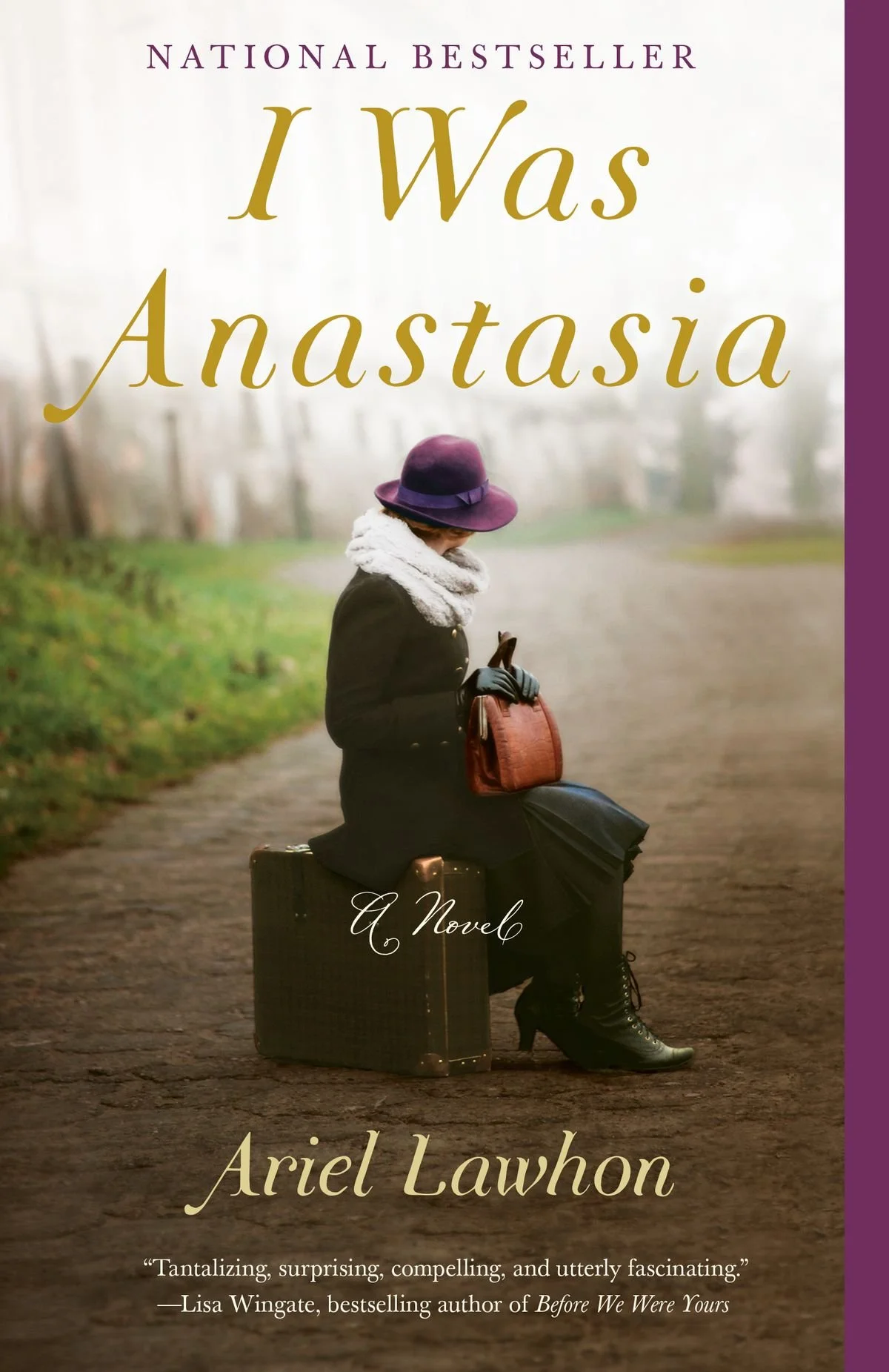
Anastasia has always had a reserved seat in my heart. I imprinted on the 1997 animated film as a wide‑eyed child; it was my gateway drug to royalty and the Romanovs before I could even spell “Bolshevik”. So when I reached for Ariel Lawhon’s I Was Anastasia, I came armed with nostalgia, unreasonably high expectations after the brilliant Code Name Hélène, and a slightly unhealthy obsession with lost princesses.
The novel centres on the enigma of Anastasia Romanov and Anna Anderson, the woman who spent decades insisting she was the lost Grand Duchess. Lawhon structures the book as a dual narrative: Anastasia’s chapters move steadily towards the Romanovs’ brutal end in 1918, while Anna’s spool backwards through time, unpeeling her life in reverse. It sounds like a structural parlour trick, but it works. The result is a slow, elegant tightening of the noose; you know where history is headed, yet you keep bargaining with the inevitable.
Themes of identity, memory and the slipperiness of truth run through every page. Lawhon refuses to spoon‑feed easy answers. Instead, she lets trauma blur the edges, showing how recollection can be both armour and weapon. I found myself constantly asking: Does it matter more who Anna was, or who she needed to be? It’s historical fiction, yes, but also a thoughtful meditation on how we rewrite our own stories to survive.
The historical detail is sumptuous in that dangerously moreish way. Imperial Russia is rendered with all the glittering surface you’d expect—ballrooms, jewels, snow‑dusted palace grounds—before the Russian Revolution barrels in and tears it all to shreds. Lawhon’s research is clearly meticulous, but it never feels like she’s showing off her homework. Instead, the world‑building works quietly in the background, supporting the emotional punch rather than drowning it in dates and uniform descriptions.
In terms of pace, the reverse chronology in Anna’s storyline can feel slightly disorienting at the start. I had a few moments of flicking back a page to check where we were in her life, which makes you wonder if that device is a bit too clever for its own good. But once I surrendered to the structure, I enjoyed the way it mimicked the act of digging through someone’s past, layer by imperfect layer.
Even knowing the real‑world outcome of the Romanov mystery, I Was Anastasia kept me guessing emotionally. The final convergence of the two timelines lands with a quiet, devastating inevitability rather than cheap shock value. And when you reach the author’s note—please, truly, save it for last—you’re rewarded with a superb, spoiler‑laden unpacking of what’s fact, what’s conjecture, and why this story refuses to die. For fellow Romanov obsessives and fans of atmospheric historical fiction, this one is absolutely worth the emotional jet lag.
This post may contain affiliate links, meaning we receive a commission when you click the links and make a purchase.
Related Posts
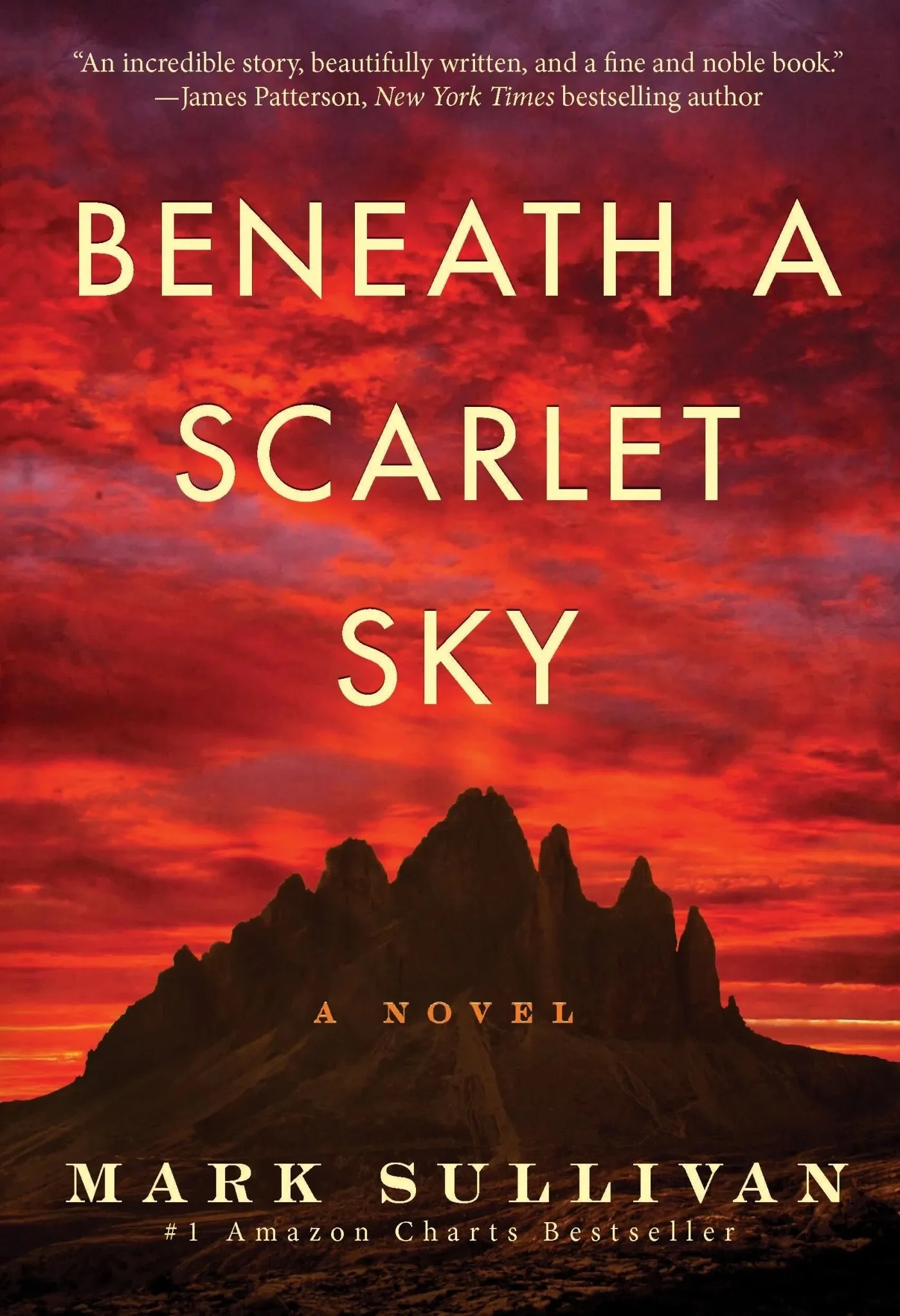
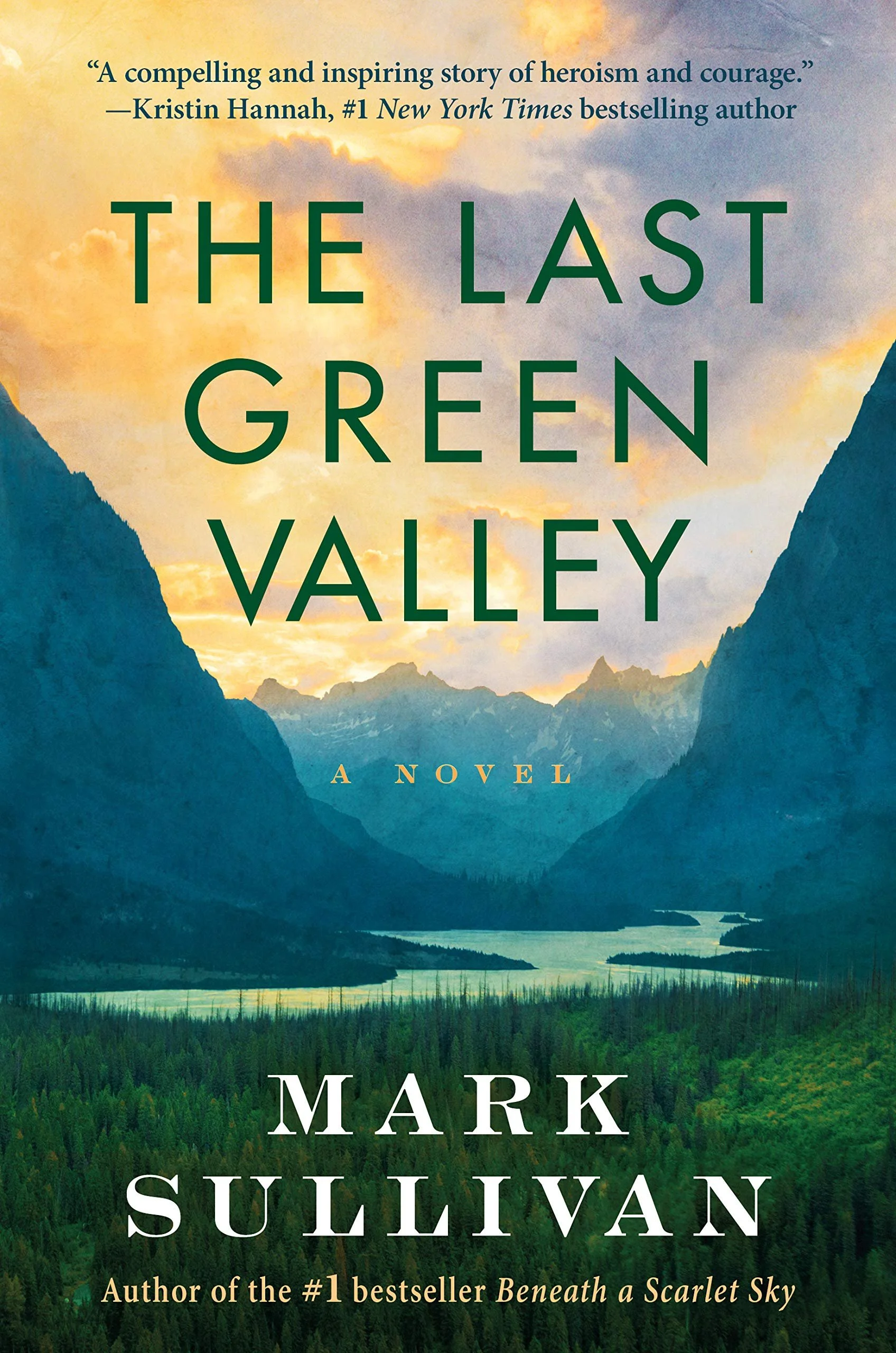

A family mystery, wartime romance, and the kind of moral grey zones that linger long after the bombs stop falling—this novel hit closer to home than I expected.