
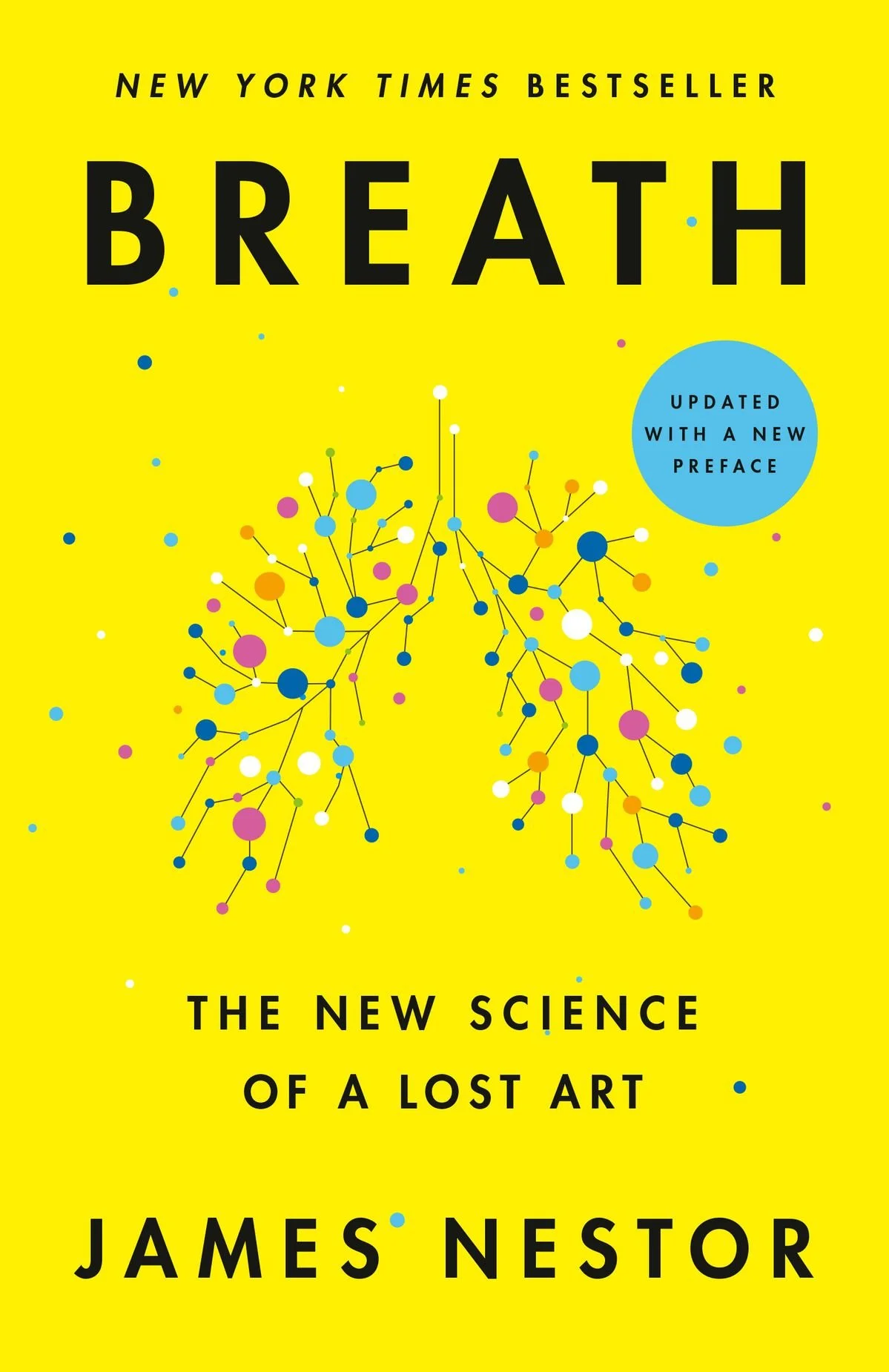
James Nestor dives into the science of breathing with the enthusiasm of a biohacker and the curiosity of a travel writer. Honestly, I was hooked. Nestor weaves together respiratory research, ancient breathing techniques, and real-life experiments with a surprisingly entertaining flair. From nasal breathing and extended exhales to the underrated art of slowing the breath, his case for “functional breathing” feels both grounding and oddly empowering.
In short, breathing strictly through the nose keeps bacteria at bay and reduces snoring and sleep apnoea. I once thought those tiny mouth tapes sold in Japanese pharmacies were overhyped woo-woo, and while they may take a little getting used to, they are very effective at curbing snoring and sleep apnoea. I rarely snore, except when I am completely spent after a difficult day, but there’s no harm in trying.
Have you ever wondered why our ancestors had straighter teeth? Turns out that chewing (harder foods for longer) builds new bone in the face, even in adults, and opens the airways, allowing adequate space for teeth to align. Despite not being an avid gum chewer, I intend to keep a pack within reach from now on. I’m not sure whether a larger jaw aligns with modern beauty standards, but that can wait until my next beauty appointment.
What really stopped me in my tracks was Nestor’s argument about the relationship between breathing and commonly diagnosed disorders, namely ADHD and anxiety. When you do not breathe properly, you cannot sleep properly, which in turn causes sleepiness and irritability, and fuels attention disorders by depriving you of quality rest, a problem in particular for children.
On the other hand, we often think panic attacks cause us to overbreathe, but Nestor flips that on its head: panic attacks occur when we overbreathe, not the other way around. Hyperventilation flushes out too much carbon dioxide, narrowing blood vessels and disrupting oxygen delivery to the brain. Cue spiralling thoughts, a racing heart, and the delightful sense that the world is about to end in your living room. Individuals who often experience anxiety may also be hypersensitive to carbon dioxide levels. In other words, our bodies might overreact to the slightest rise in carbon dioxide. It’s not just “in your head”; it’s in your physiology. That reframe alone made me sit up a little straighter and, ironically, breathe a lot more slowly.
What I loved most is how practical the book is without ever feeling preachy. Breath nudges you to treat your breath as a built‑in toolkit for nervous‑system regulation, better sleep, and calmer focus, rather than a background function you notice only when it goes wrong. Breathwork routines that kept monks warm in freezing temperatures and that elicit hallucinatory effects not unlike LSD went a bit far for me, but I’m not against basic box breathing. It’s made me far more aware of how shallow, frantic breathing can quietly dial up my stress, and how a few deliberate, slower breaths can gently turn the volume down again.
If wellness trends usually make you roll your eyes, this one might surprise you. Breath isn’t about buying gadgets or reinventing your entire life; it’s about paying attention to something you’ve been doing–albeit badly–since birth. And once you’ve seen how deeply breathing and mental health are intertwined, you can’t unsee it.
Key Takeaways
The perfect breath: Breath in for 5.5 seconds, exhale for 5.5 seconds; roughly 5.5 breaths a minute for a total of about 5.5 litres of air.
Nasal breathing, slower breaths and longer exhales help regulate the nervous system and calm the mind, improving sports performance by varying degrees.
Poor breathing habits affect sleep, focus, cardiovascular health and long‑term wellbeing.
Small, consistent changes to how you breathe can be more effective than elaborate wellness routines.
People who are ultrasensitive to carbon dioxide misread normal shifts as danger signals, and overbreathing can trigger panic attacks by lowering carbon dioxide, disrupting oxygen delivery and fuelling anxiety.
This post may contain affiliate links, meaning we receive a commission when you click the links and make a purchase.
Related Posts

Still waiting to fall in love with New Age books, I found A New Earth thoughtful but not exactly unforgettable. More gentle hum than spiritual mic drop.