
The Last Green Valley: Hope, Horror, and the Quiet Courage of Survival
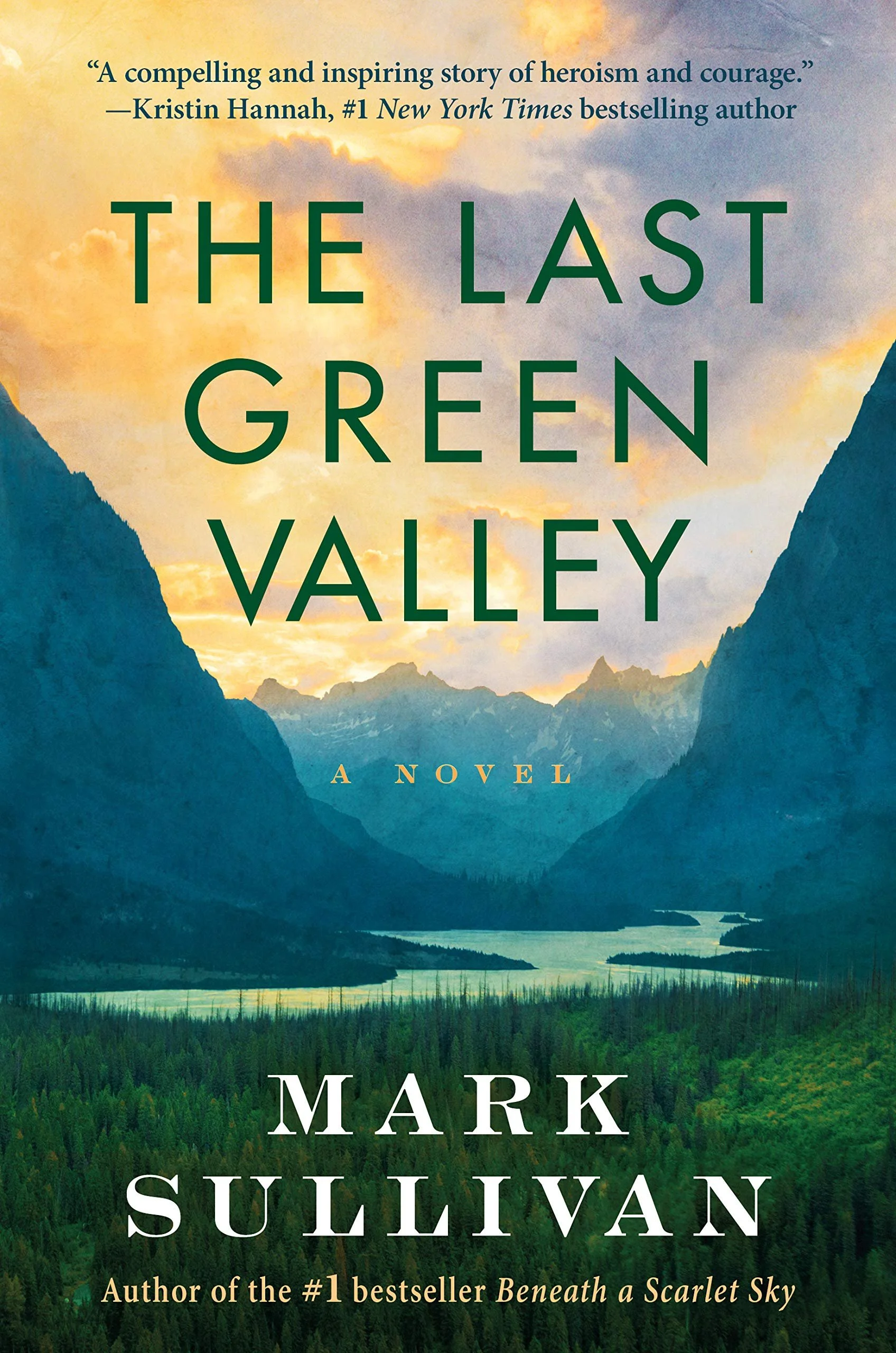
Mark Sullivan’s The Last Green Valley is one of those historical novels that makes you set the book down every few chapters, stare into the middle distance, and reconsider your complaints about first-world problems. Based on a true story, it follows the Martel family, ethnic Germans living in Ukraine, as they flee Soviet terror at the tail end of the Second World War, chasing the promise of one last safe haven – that elusive “green valley” in the West. It’s historical fiction with teeth: full of danger, displacement and moral grey zones, yet anchored by an almost stubborn belief in hope.
The premise sounds heavy, and it is, but Sullivan keeps the narrative moving like a well-paced wartime drama. We follow Emil and Adeline Martel as they navigate Nazi promises, Soviet brutality and a Europe collapsing in real time. There are no cartoon villains here, just systems that chew people up and spit them out. One thing I loved is how the book quietly interrogates what survival actually looks like: how far you’ll go to protect your family, and whether you can still recognise yourself at the end of it. No spoilers, but let’s just say “happily ever after” comes with a few scorch marks.
In terms of themes, this is a story about resilience, faith and moral compromise against the backdrop of war. It digs into intergenerational trauma and what it means to rebuild a life when the past refuses to stay politely in the past. Reading this in an era of rolling headlines about refugees and forced migration makes it feel uncomfortably contemporary. The Martels’ agonising decisions – stay, flee, trust, betray – echo in today’s news cycles, giving the novel a haunting relevance beyond its 1940s setting.
Stylistically, Sullivan leans into cinematic, almost immersive wartime historical fiction. At times, the prose tips into the sentimental, but it works more often than not; you feel the mud, the hunger, the exhaustion, and those rare pockets of beauty that keep them going. I did find some dialogue a touch on-the-nose, the kind you’d expect in a sweeping Sunday-night drama, but it’s balanced by meticulous research and a strong sense of place. Overall, the emotional payoff more than earns its keep.
I felt genuinely attached to this family in a way that made the final chapters land hard. A few scenes revisit similar emotional ground; this is a historical novel that uses its length to build a layered portrait of ordinary people enduring extraordinary cruelty. If you’re in the mood for a World War II novel that is less “rah-rah heroics”, The Last Green Valley deserves a cosy, well-lit corner of your bookshelf.
This post may contain affiliate links, meaning we receive a commission when you click the links and make a purchase.
Related Posts

A family mystery, wartime romance, and the kind of moral grey zones that linger long after the bombs stop falling—this novel hit closer to home than I expected.