
The Art of Living: Peace and Freedom in the Here and Now
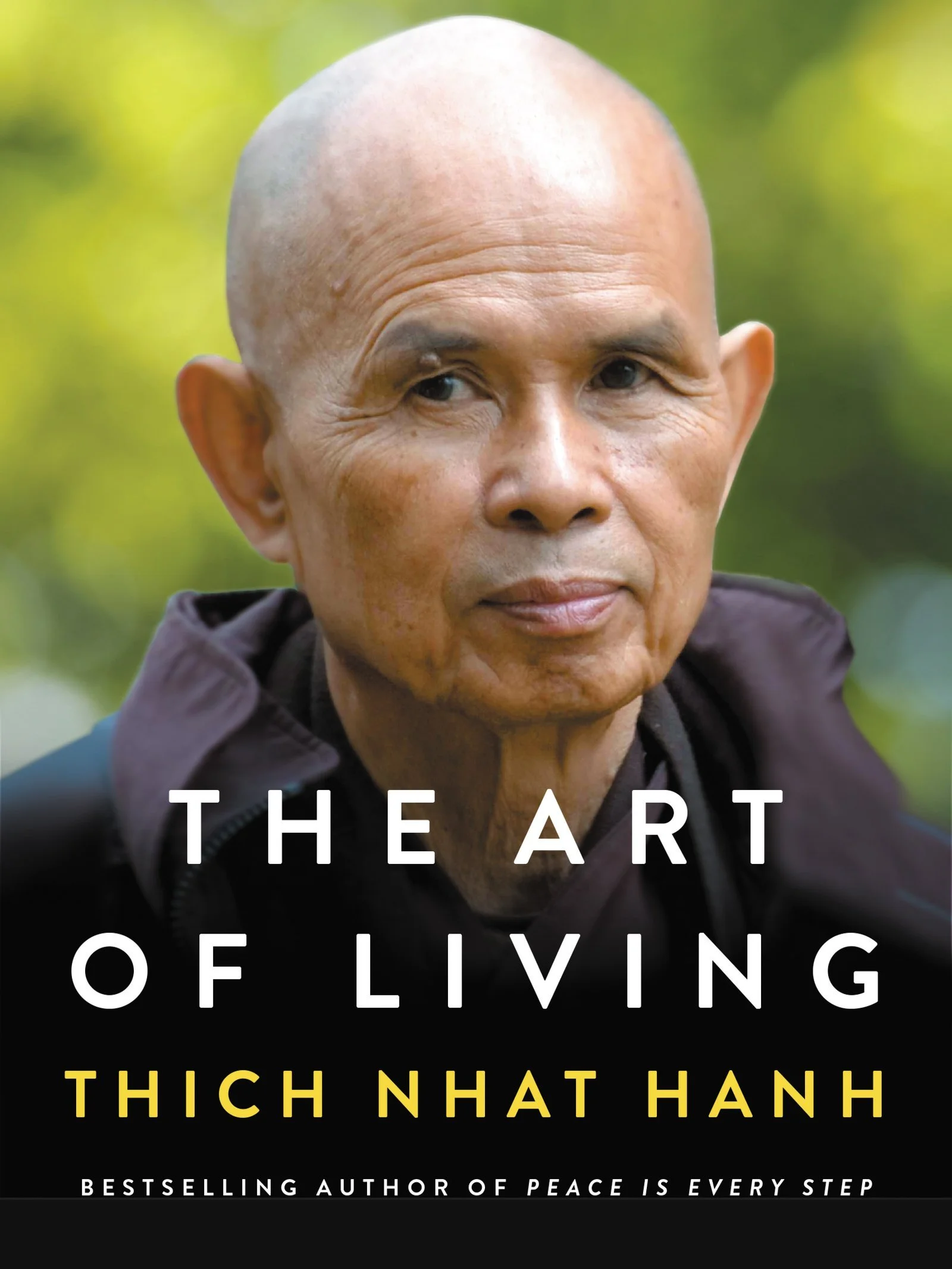
Mindfulness books are having a bit of a moment, but The Art of Living by Thich Nhat Hanh is less “productivity hack” and more “ancient wisdom quietly side‑eyeing your burnout”. This slim volume distils the Zen Buddhist monk’s teachings on mindfulness, meditation and compassionate living into something you can actually use between Zoom calls, in supermarket queues and during mildly existential 3 a.m. spirals. It’s a gentle guide to conscious living, emotional resilience and spiritual clarity, written in calm, unhurried prose that makes your nervous system exhale on sight.
Thich Nhat Hanh writes from decades of lived experience as a monk, peace activist and teacher, so none of this feels abstract or preachy. His background in engaged Buddhism permeates the book; every reflection on breathing, presence and interbeing is rooted in real life – wars survived, refugees helped, communities built. You’re not just reading mindfulness theory; you’re listening to someone who has practised this through some of the worst things humans can do to one another and still come out radiating compassion.
The structure is delightfully digestible. Short chapters circle around core ideas of mindful living: being present with your thoughts without judgement, emotional awareness, deep listening, compassionate communication and the art of stopping before you spiral. There are simple breathing exercises, reflections and tiny practices you can sneak into your morning coffee ritual or your commute. This is mindfulness for daily life, not just for when you’ve finally escaped to a silent retreat in the mountains.
One of the sections that stayed with me is his take on deep listening and loving speech. He suggests listening to others without mentally composing your rebuttal or drafting your grocery list – just offering your full, undivided attention. I tried this in a fraught conversation and, to my horror, it actually worked. Tension softened; I stopped trying to “win” and started to understand. It’s disarmingly practical relationship advice disguised as spiritual teaching.
Not every page will resonate equally. There are moments when the language around concepts like interbeing or nirvana can feel a bit airy if you’re new to Buddhist philosophy, and occasionally I wanted more concrete, modern-life examples. But even when an idea felt a touch abstract, the overall tone remained warm, grounded and oddly reassuring, like having tea with a very wise uncle who refuses to let you wallow in your own drama.
If you’re looking for a loud, life‑hack‑your-way-to-success manual, this is not it. The Art of Living is quiet, contemplative and deeply humane. It’s ideal if you’re craving inner peace, emotional balance and a softer way of moving through the world, without disappearing into spiritual fluff. I closed the book feeling a little less frantic, a little more present and just the tiniest bit more willing to be kind – to myself first, and then to everyone else annoying me on public transport.
Key Takeaways
Emptiness – You’re not just your to‑do list.
Emptiness here isn’t bleak; it’s liberating. Thich Nhat Hanh invites us to recognise that we are not fixed, separate selves but part of a wider web of life. When you realise you’re more than your job title, relationship status or latest anxiety, there’s space to breathe and respond to life more lightly.
Signlessness – Look beyond the surface.
We’re obsessed with appearances, labels and first impressions. Signlessness nudges us to look beyond them: the grumpy colleague might be exhausted; the annoying neighbour might be lonely. By pausing before we judge what we see, we relate to people and problems with more patience and less drama.
Aimlessness – You don’t have to chase the horizon.
Aimlessness isn’t about giving up on goals; it’s about letting go of the idea that happiness lives exclusively in the next achievement. The book suggests practising “arriving” in the present moment so your life doesn’t become one long, slightly disappointing waiting room for the future.
Impermanence – Everything changes, so loosen your grip.
Instead of using impermanence to catastrophise, Thich Nhat Hanh reframes it as a source of hope. Bad moods, heartbreak, global mess – none of it is static. When you truly let this in, you stop clinging to suffering as your permanent story and become more open to healing and new beginnings.
Non‑Craving – Want less, live more.
Non‑craving doesn’t mean renouncing joy; it means not outsourcing your sanity to the next purchase, promotion or person. By noticing how craving pulls us out of the present, we can enjoy what we have more deeply and stop treating life like a never‑ending shopping cart of desires
Letting Go – Release the stories that hurt.
Letting go is an active, compassionate practice: releasing grudges, softening rigid opinions and dropping the internal monologue that insists you’re not enough. The book offers breathing and reflection exercises to help you unhook from old narratives and make room for something gentler.
Nirvana is Now – Peace isn’t a distant prize.
Instead of treating enlightenment as a VIP club for another lifetime, Thich Nhat Hanh insists that moments of nirvana are available now – in a mindful breath, a kind word, a quiet cup of tea. Each present moment lived fully and kindly becomes a tiny revolution against stress and despair.
This post may contain affiliate links, meaning we receive a commission when you click the links and make a purchase.
Related Posts


Still waiting to fall in love with New Age books, I found A New Earth thoughtful but not exactly unforgettable. More gentle hum than spiritual mic drop.