
Count the Ways: A Love Story in Shards and Second Chances
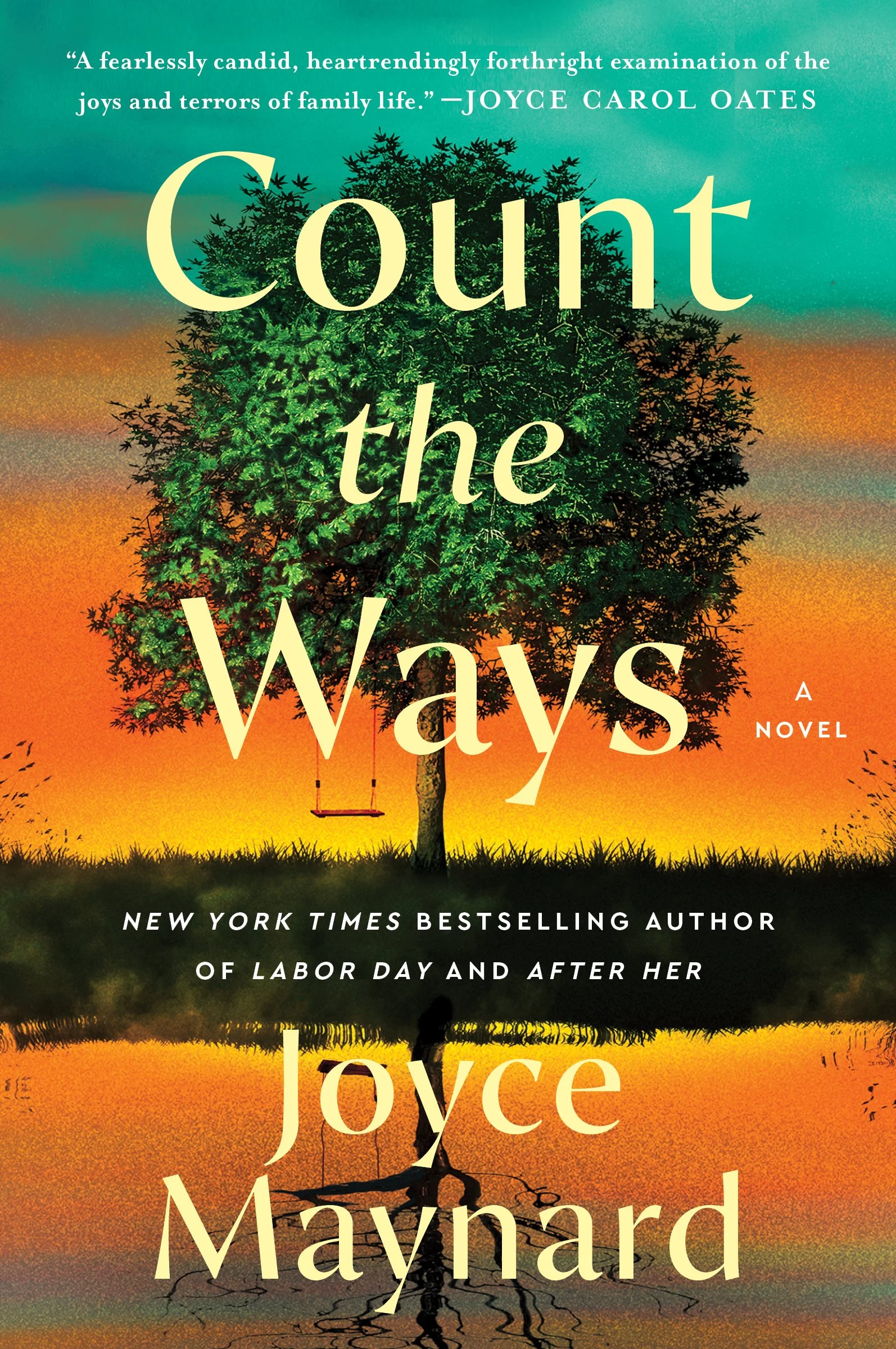
Joyce Maynard’s Count the Ways is a sprawling domestic drama. On the surface, it’s the story of Eleanor and Cam, a couple building a life in rural New England, complete with an old farmhouse, children, art, and all the cosy trappings of literary family life. Beneath that, though, it is a bruising exploration of marriage, motherhood, and the very modern idea that we should somehow be able to “have it all” without breaking anything in the process—least of all ourselves.
Rather than marching along in neat chronological order, the novel unfolds in vignettes, hopping across decades of their relationship. We see their early, idealistic beginning, the exhaustion of young parenthood, and the slow, hairline fractures that form long before anything officially “goes wrong.” It’s a clever structure for a literary family saga; by the time a major crisis hits, we feel as though we’ve been living alongside them, washing up in that creaky kitchen and driving the same country roads.
“Sometimes you leave a place because you don’t like being there. Sometimes you have to leave because you love it too much.”
Maynard’s prose is beautifully readable: emotional without slipping into melodrama, lyrical without ever losing clarity. She zeroes in on small domestic details that make this an intimate marriage novel rather than a sweeping, glossy romance: the way resentments accumulate over school runs and money worries, the private myths families tell themselves to stay intact, the moments of tenderness that arrive unannounced amid everyday chaos. Those tiny, unglamorous aches of everyday life? You will find that they ring a bell.
The themes are unmistakably contemporary, even though this is very much a classic character-driven novel. There’s an undercurrent of feminism as Eleanor tries to reconcile creative ambition, financial reality, and the unrelenting demands of being the “default parent”. Anyone who has ever considered the emotional labour load in their relationship will find this quietly, sharply relevant. There’s also a thoughtful treatment of divorce, co‑parenting, and what “family” looks like after the big rupture—timely in an era where blended families and reinvented lives are increasingly the norm.
“Children had to know pain, or how would they ever know what to do when they encountered it? Trouble would come, no matter what. The best you could do was to raise your children in such a way that when trouble found them – as it would – they’d be able to survive it.”
Count the Ways is emotionally devastating in the best way. It wasn’t the big, dramatic scenes that hit the hardest, but the everyday compromises and misunderstandings that slowly snowball. If you love literary fiction that leans into family drama, emotional complexity, and messy, realistic love, the book is absolutely worth the heartache. It’s a tender, sometimes uncomfortable reminder that long-term love is less about grand gestures and more about the tiny choices we make, over and over again, when no one is watching.
This post may contain affiliate links, meaning we receive a commission when you click and make a purchase.
Related Posts

A tender, quietly devastating portrait of marriage, motherhood, and messy second chances, Count the Ways lingers like a familiar ache you can’t quite shake.