Caste: The Origins of Our Discontent
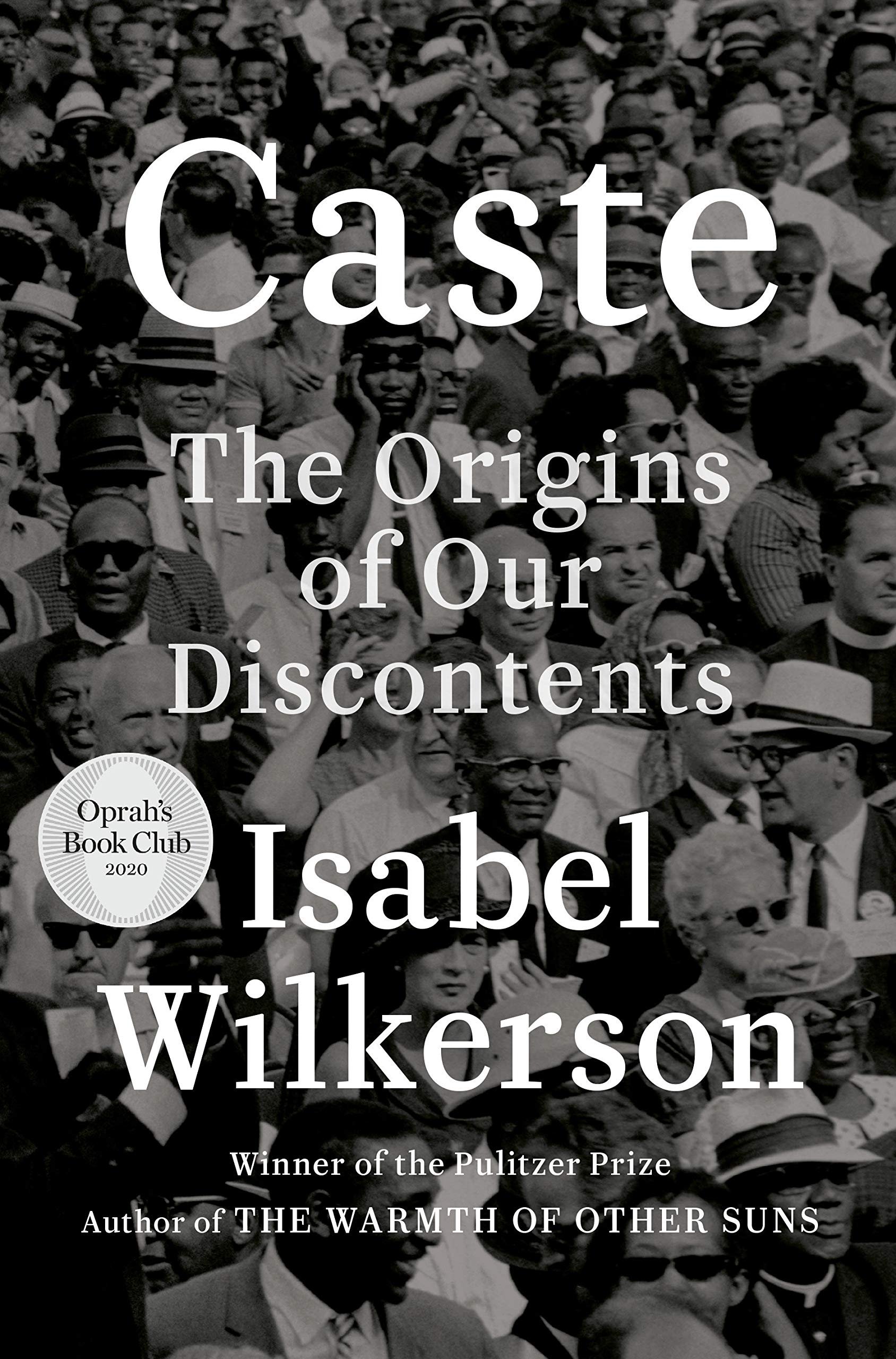
There are some books you finish and think, “Well, that was nice.” Caste by Isabel Wilkerson is not one of them. This one cracks your worldview open, rearranges the furniture and quietly asks, “Still comfortable?” It’s a work of narrative non-fiction that argues the United States is not merely riddled with racism but built on a caste system every bit as rigid as those in India and Nazi Germany. Light reading, clearly.
Wilkerson draws on years of meticulous research, case studies and interviews to argue that caste—this hidden social architecture—dictates who is granted dignity, opportunity and safety. Her background as a Pulitzer Prize–winning journalist shows in every line: the reporting is razor-sharp, yet the prose reads like literary fiction. She weaves personal stories with historical analysis so smoothly that you barely notice you’ve just swallowed a lesson in structural inequality with your morning coffee.
What makes Caste so compelling is the way it reframes familiar conversations about race, oppression and privilege. Instead of getting stuck in the usual culture-war quicksand, Wilkerson steps to the side and says, “Let’s talk about hierarchy instead.” She walks us through how caste operates in everyday life—who gets the benefit of the doubt, who is presumed dangerous, who is effortlessly “seen”. The parallels she draws between Jim Crow America, India’s caste system and Nazi racial laws are chilling, but never sensationalist; the horror lies in the cool, methodical similarities.
Reading this, the anecdotes of casual cruelty are gutting, but it’s the subtler observations that truly haunt you: the way language, rituals and even architecture reinforce who belongs at the top and who is firmly kept at the bottom. That said, it’s not a breezy weekend read. A few chapters feel dense, and occasionally the repetition of the central metaphor—caste, caste, caste—can be a touch heavy-handed. But honestly, if there’s ever a subject that deserves to be hammered home, it’s this one. I found myself grateful for the clarity; it’s hard to wriggle away from responsibility when the structure has been laid out this plainly.
In the broader landscape of books about racism, inequality and social justice, Caste earns its hype. It’s a lens adjustment: once you see society through Wilkerson’s framework, it’s impossible to unsee. If you’re interested in systemic racism, human rights, or just understanding the quiet machinery of power that shapes our daily lives, this is one to read slowly, underline shamelessly and then gently force into the hands of everyone you know.
Key Takeaways
Caste is the hidden operating system of society, quietly determining power, privilege and access long before individual “choices” come into play.
Wilkerson frames caste as the invisible code running in the background of a nation’s life, deciding whose life is cushioned and whose is constantly scrutinised. It’s not about who tried harder or who “deserved” success, but about a deeply embedded hierarchy that predates any of us. By the time we arrive on the scene, the roles have already been written; we’re simply dropped into the script and told it’s a meritocracy.
The American racial hierarchy mirrors other global caste systems, from India to Nazi Germany, revealing disturbingly consistent patterns of control.
Rather than treating American racism as some uniquely home-grown monster, Wilkerson places it alongside India’s caste system and the racial ideology of Nazi Germany. The parallels—legal segregation, enforced purity, ritual humiliation—are uncomfortably precise. This comparative lens strips away the illusion of “exceptionalism” and shows how societies around the world have reached for the same ugly toolbox to maintain dominance.
Caste sustains itself through everyday rituals, language, beauty standards and unspoken rules that most people rarely think to question.
One of the most chilling insights is how ordinary it all looks. From who is expected to serve and who is served, to the accents we deem “professional” and the bodies we label “attractive,” caste hides in plain sight. It’s not only in laws and policies, but in jokes, seating plans, hiring instincts and the tiny daily cues that signal who belongs where. The violence may be spectacular, but the real work of caste is done quietly, every single day.
Personal prejudice is only the surface; the real problem lies in the deep, inherited structures that reward some bodies and punish others.
Wilkerson makes it clear: focusing solely on “bad apples” and individual bigotry gives the system a free pass. You can have the loveliest, most well-meaning people alive and still maintain a brutal hierarchy if the institutions—schools, courts, housing, healthcare—are built on biased foundations. Caste means that bodies carry histories with them; some are met with suspicion on sight, while others move through the world cushioned by default trust.
Recognising caste is not an endpoint but a beginning, forcing us to rethink justice, allyship and what true equality might actually require.
By the end, Wilkerson isn’t handing out quick fixes or feel-good checklists. Instead, she offers a more honest starting point: you cannot dismantle what you refuse to see. Acknowledging caste reshapes how we understand privilege, repair and responsibility, nudging us beyond diversity platitudes into far more uncomfortable territory. Equality, in this framework, isn’t about sprinkling opportunity on top; it’s about reworking the foundations we’ve been standing on all along.
This post may contain affiliate links, meaning we receive a commission when you click the links and make a purchase.
Related Posts