
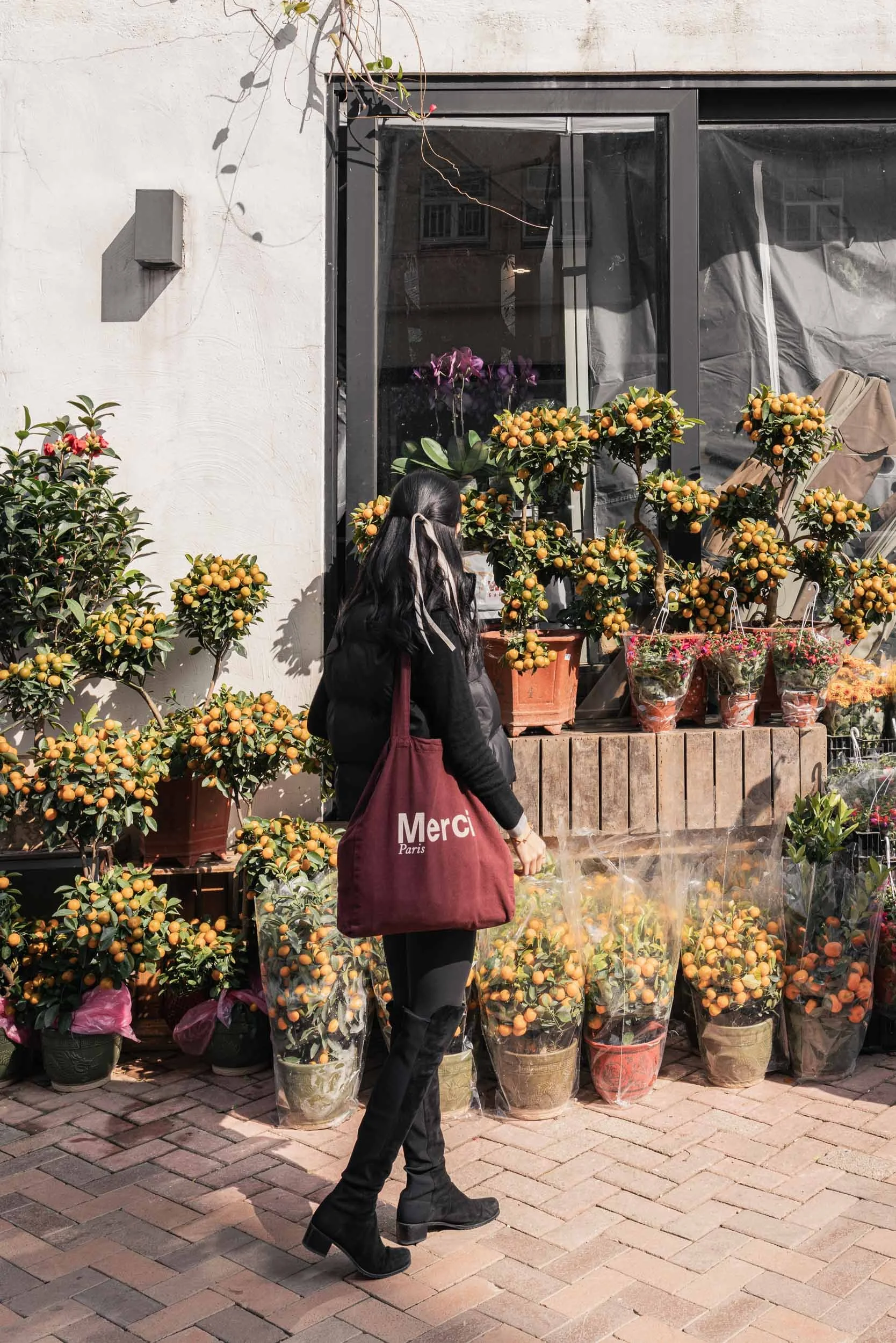
Of all the Chinese New Year festivities in Hong Kong, I still delight the most in visiting the flower markets.
It’s part treasure hunt, part crowd control exercise, and part “try not to buy a whole forest”. Chinese culture has always assigned symbolic meanings to different plants. Even if modern life no longer revolves around these traditions, a little extra luck never hurt anybody.
During the run‑up to Chinese New Year, florists are besieged. Local fairs explode into shades of red, vermilion and gold – all loaded with symbolism for prosperity, love and good fortune. If you want first pick of the best Chinese New Year plants, you’ll have to brave the crowds at the Flower Market in Prince Edward or venture up to flower farms in the New Territories. Go before 11 a.m., unless “stuck in a human traffic jam” is on your festive bingo card.
If flower shopping sounds like your personal nightmare but you’re still curious about the fuss, here’s a concise guide to the most popular auspicious flowers and lucky plants for Chinese New Year – the meanings, the aesthetics and all the quirky superstitions in between.
Flowers
1. Narcissus (水仙花)
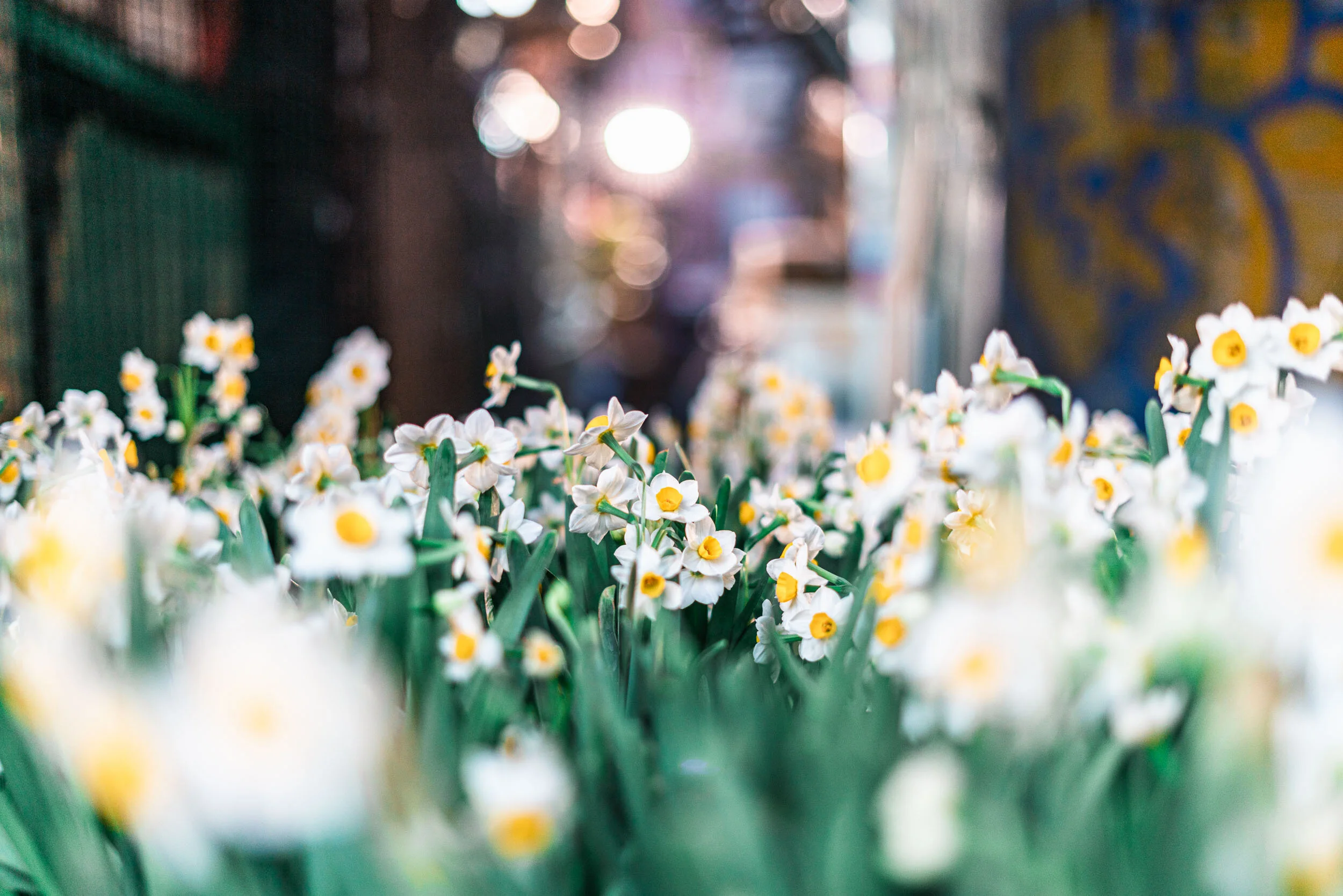


Symbolism: Good fortune, prosperity; gold and silver blessings flowing into your home.
Narcissus is the understated star of Chinese New Year flowers – fresh, powdery, and smelling of a very clean, very rich spring morning. In Chinese, “水仙” literally means “water fairy”, and its dainty yellow and white flowers are said to symbolise gold and silver. Small bulbs are inexpensive, making them an easy entry‑level lucky plant for the home. They’re low‑maintenance, though their shoots can bolt in Hong Kong’s warmth, so some growers use tricks to slow them down. Personally, if space allowed, I’d keep pots of narcissi around long after the Chinese New Year has wrapped.
2. Orchids (蘭花)


Symbolism: Fertility, abundance, purity; elegant success that doesn’t need to shout.
Orchids are the crowned queens of Chinese New Year plants in Hong Kong. Flower stalls receive so many pre‑orders that entire sections are cordoned off like VIP areas for VIOs (very important orchids). The moth orchid is the classic – arching sprays of long‑lasting blooms in shades that look suspiciously like “I got a bonus”. They’re perfect for impressing guests or clients, and with a little patience, you can coax them to re‑bloom year after year. They are, admittedly, at the bougie end of the price scale; showy pots often start around HK$888. Subtle? Absolutely not. Auspicious? Completely.


A slightly less conventional but equally showy choice would be the boat orchid, named for its bottom petal that curls upwards and resembles a boat’s hull. They come in softer shades of pink and yellows, with a gentle drape and reservedness before the flowers bloom.
If an orchid pot is too overwhelming and you prefer stalks that sit neatly in a vase, the dancing lady orchid is a cheerful candidate that is easier to care for than most orchids. Its fluttering yellow blooms resemble a ballroom dancer’s dress and brighten the room with an intricate splash of colour.
3. Chrysanthemums (菊花)
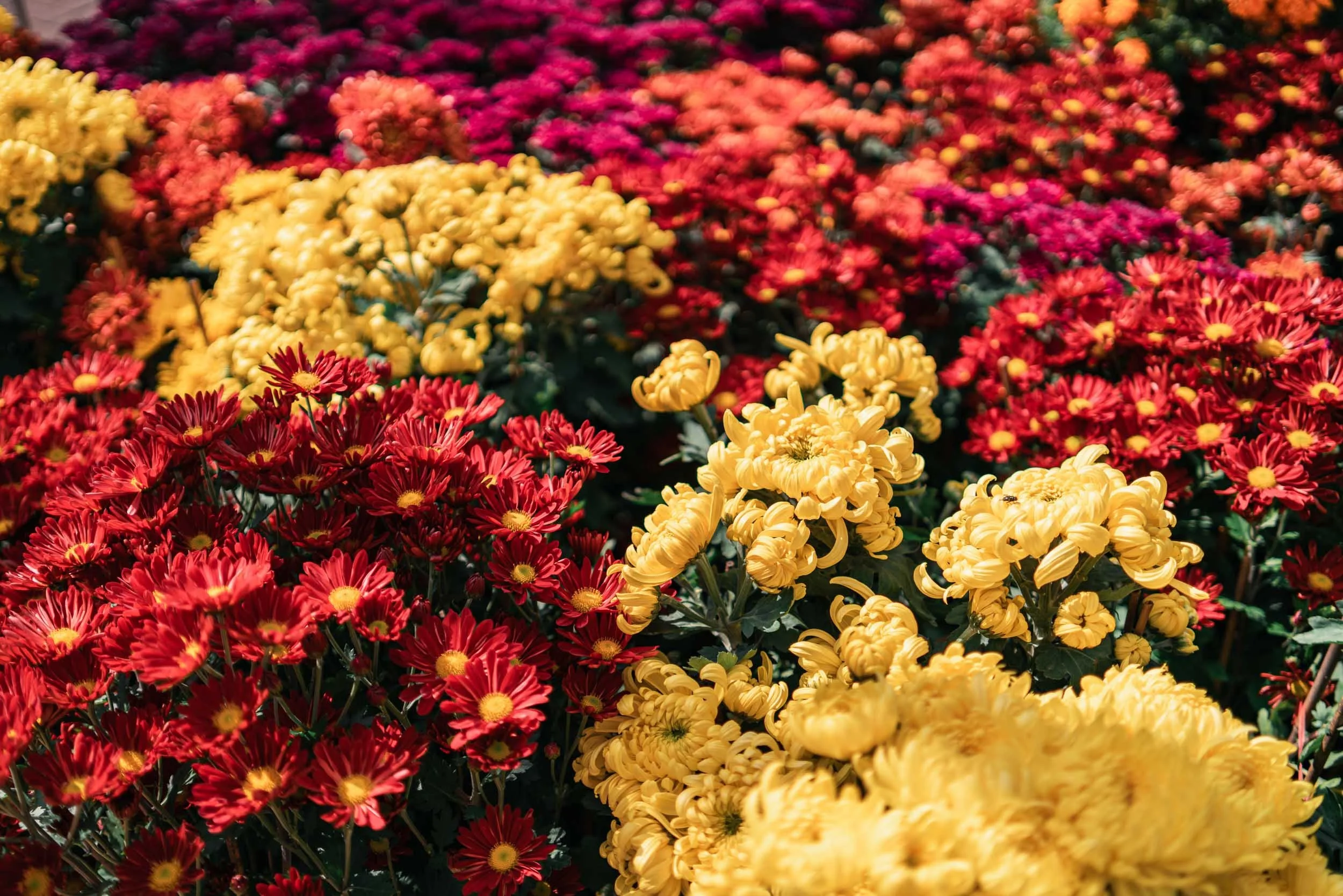


Symbolism: Wealth, prosperity and longevity; old‑school elegance with scholar energy.
Chrysanthemums are the literary grandpas of the Chinese New Year flower world – adored by scholars, steeped in poetry, and still quietly holding court in office lobbies. They bloom in late autumn and early winter, thriving when other flowers give up, which ties them to resilience and longevity. Thanks to their use in herbal teas, they’ve also acquired connotations of health and longevity. At Chinese New Year, you’ll see potted mums in golds and reds, but never white – that’s strictly for funerals. Look out for the fist‑sized statement blooms and the ping‑pong varieties that look delightfully engineered.
4. Peach Blossoms (桃花)
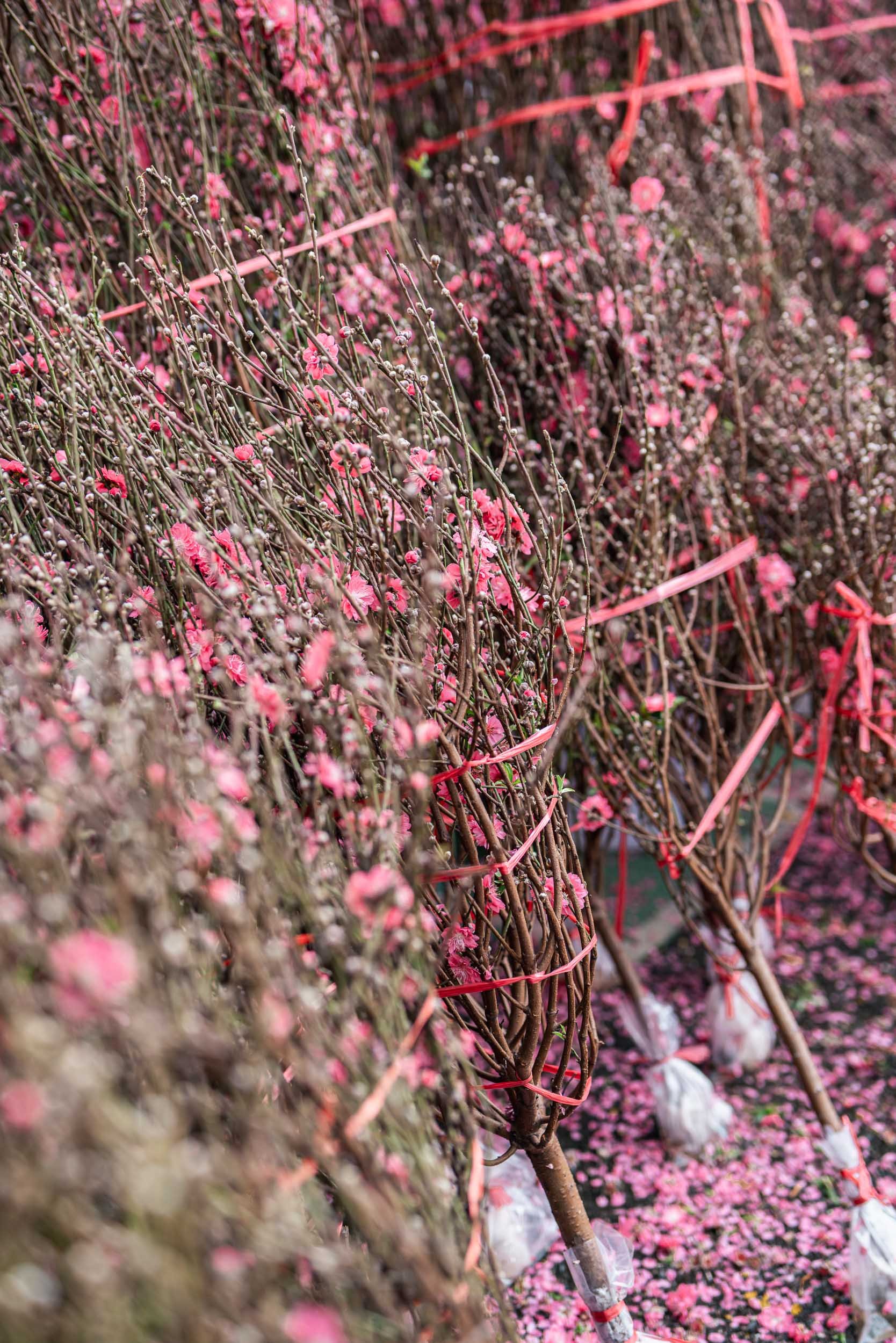
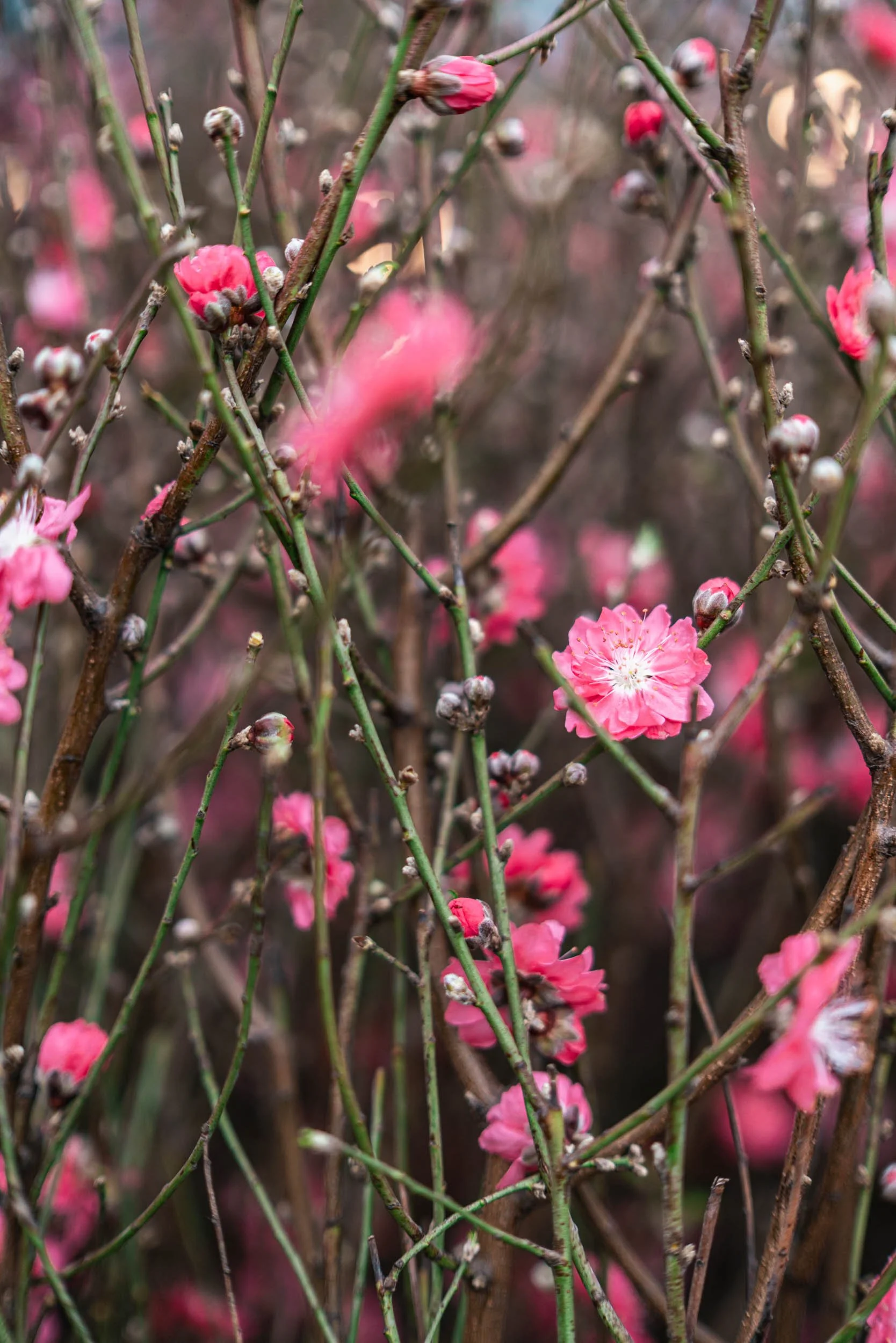
Symbolism: Romance, prosperity and growth; the ultimate love magnet and glow‑up symbol.
Peach blossoms are the drama queens of Chinese New Year decorations. You’ll find towering trees in shopping malls, complete with ornate vases and red packets dangling like festive jewellery. Traditionally, families would buy full branches from the flower market – think of it as Chinese New Year’s answer to Christmas tree shopping – but Hong Kong flats are not exactly palatial, so mini branches and dwarf pots are now the norm. The folklore is delightfully specific: walk clockwise around a peach blossom tree three times for romance and good fortune. Go anticlockwise or overdo it, and, allegedly, you’re inviting chaos. No pressure.
5. Gladiolus (劍蘭)


Symbolism: career growth and self‑development; climbing the ladder, but make it floral.
Gladioli – or sword lilies – are the tall, dramatic flowers you’ll see shoppers balancing like floral spears through the Hong Kong flower markets. Each stem stands upright and blooms gradually from the bottom up, echoing the phrase 「步步高陞」, step‑by‑step promotion. They’re particularly popular with anyone manifesting career advancement in the new year. While gladioli come in a rainbow of shades, Chinese New Year is all about rich reds and deep pinks to dial up the festive vibes. Arrange them in a slim, tall vase and they instantly look like you’ve got your life together, even if you don’t.
6. Pussy Willows / Catkins (銀柳)


Symbolism: prosperity and steady growth; from bare branches to fluffy fortune.
Pussy willows are the introverts among Chinese New Year plants – quiet branches at first, then suddenly soft, silvery cat‑paw buds. The Chinese name 銀柳 sounds like 「有銀有樓」 – literally “have silver, have property” – making them an instant favourite for anyone manifesting both cash and a mortgage. Sold in tall bundles (often taller than me), they’re dyed in vivid colours and displayed in large floor vases in homes and shopping malls alike. As a child, I loved popping off the little black casings; as an adult, I now keep a wary eye on those fuzzy yellow flowers and retire them the moment they appear.
7. Plum Blossoms (梅花)
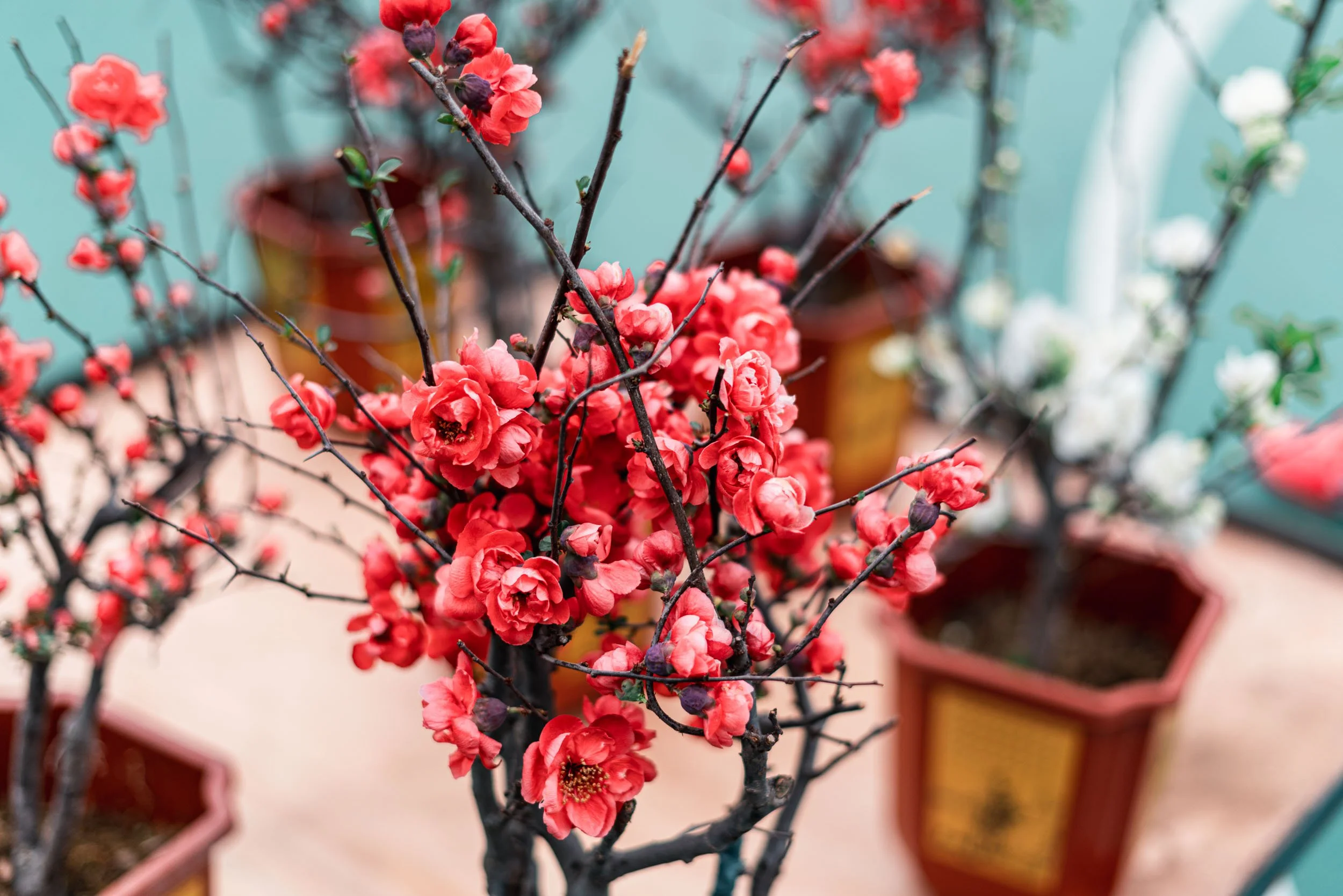
Symbolism: resilience, perseverance; beauty that blooms in the middle of hardship.
Plum blossoms are quiet overachievers: they bloom in the depths of winter, often amid snow, and have become a symbol of tenacity in Chinese culture. They’re also the national flower of Taiwan, with three stamens representing Dr Sun Yat‑sen’s Three Principles of the People. In Hong Kong, though, plum blossoms are much rarer in Chinese New Year flower markets than peach blossoms, and usually appear as petite, decorative potted plants. If you can find one, it’s a lovely, understated way to evoke new beginnings, strength and poetic suffering – without actually suffering.
8. Peonies (牡丹)


Symbolism: wealth, prosperity and peace; peak opulence, zero subtlety.
Peonies are the self‑proclaimed “King of Flowers” (花中之王), and frankly, they’ve earned the title. Their giant, ruffled blooms, lush petals and unapologetically rich colours make them the floral equivalent of a luxury handbag. In Chinese art and mythology, peonies often appear in clusters, signalling wealth in abundance and, ideally, a very well‑cushioned life. They’re less common than other Chinese New Year flowers in Hong Kong’s markets, so when a stall stocks them, they tend to draw a curious crowd. Their fragrance is soft yet decadent – the kind of scent that says, “I invested well this year.”
9. Lillies (百合)


Meaning: Purity and passionate love; a hundred years of happy union.
Lilies are the power ballads among Chinese New Year flowers: tall, dramatic and impossible to ignore. Their Chinese name echoes 「百年好合」 – “a hundred years of harmonious union” – so they’re linked to lasting relationships, love and joy. For Chinese New Year, you’ll mostly see vibrant colours; white lilies stay offstage because of their association with mourning. A practical note from experience: as soon as they open, remove the stamens. Lily pollen has an Olympic talent for staining clothes, sofas and anything remotely nice in shades of neon yellow, and it does not come out quietly.
10. Forsythia (寸寸金)

Symbolism: Prosperity; “gold inch by inch” for step‑by‑step wealth.
Forsythia is what happens when you cross a branch with a firework. Long, woody stems suddenly explode into tiny, star‑shaped yellow flowers that can last for months. Its Chinese nickname 「寸寸金」 literally translates to “gold every inch”, making it a popular choice for anyone inviting steady financial gain into the new year. Think of it as the more low‑key, architectural cousin of dancing lady orchids – similar colour, completely different personality. Arrange forsythia in a tall vase by your doorway or in the living room, and it instantly gives the space a sun‑drenched, “money’s coming” glow.
11. Anthurium (紅掌)

Symbolism: Ambition, passion and abundance; a bold red heart for success.
Anthuriums are those glossy, heart‑shaped flowers that look slightly too perfect to be real. Its Chinese name is homophonic with 「熊掌」 (bear’s paw), which historically carried regal, noble associations – very on‑brand for a plant meant to signal status and success. For Chinese New Year, the brightest scarlet varieties reign supreme, though you’ll see pink and white versions throughout the rest of the year. They make superb house‑warming or hostess gifts: striking, modern and surprisingly long‑lasting. Just be gentle – their stems are fragile and often wrapped individually, like little botanical VIPs on their way home.
Greens and Other Plants
12. Lucky Bamboo / Dragon Trees / Dracaena (富貴竹)


Symbolism: Good fortune and prosperity; twisting stalks of endless luck.
Lucky bamboo isn’t actually bamboo, but we’ll allow it because it works hard to be lucky. These green stalks are cheap, cheerful and endlessly customisable – twisted into spirals (轉運竹), braided into sculptural towers or packed into elaborate “bamboo pagodas” that scream feng shui on steroids. In classic Chinese New Year style, vendors often incorporate the five elements: pebbles for earth, gold coins or metallic charms for metal, water in the vase, red ribbons for fire and the plant itself for wood. Just avoid arrangements with four stalks – four sounds like “death” in Chinese, which is a vibe no one orders.
13. Kumquats / Calamondin Trees (金橘)


Symbolism: Prosperity and good luck; tiny golden oranges, massive festive energy.
Kumquats are the overachievers of the Chinese New Year plant world. The Chinese name sounds like 「吉」 (luck), and the little orange fruits resemble miniature gold ingots dangling from a shrub. You’ll see potted kumquat trees guarding doorways in homes, offices and shops, inviting wealth every time the door opens. Indoors, they’re surprisingly easy to care for with a bit of light and regular watering. After the festivities, the fruit doesn’t go to waste: it can be preserved in salt and used as a traditional sore throat remedy. Practical, pretty and prosperous – a rare triple threat.
14. Cow’s Udder / Nipple Fruit (五代同堂)
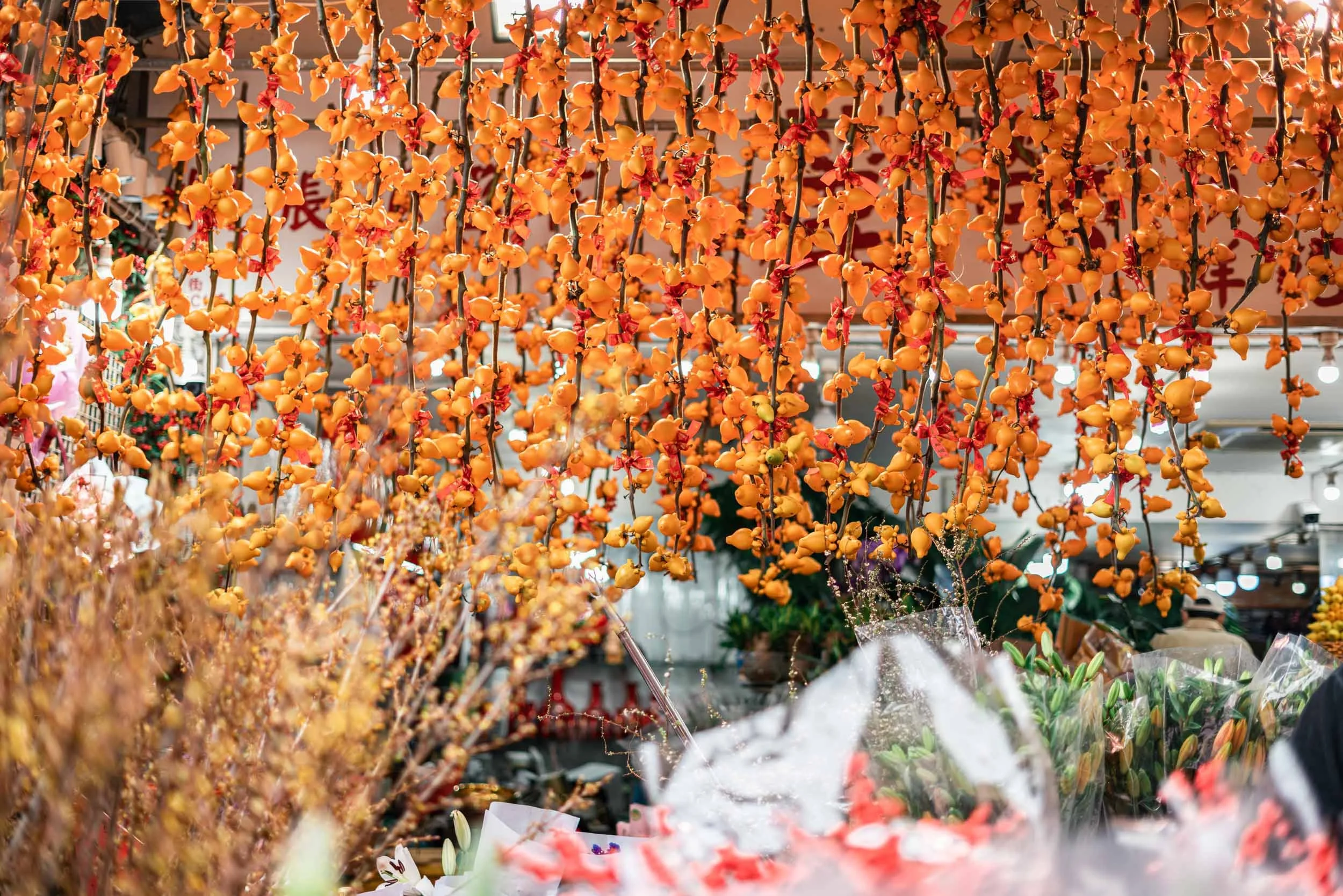


Symbolism: Happiness and longevity; five generations under one roof.
Cow’s udder – also delightfully called nipple fruit – is arguably the strangest‑looking Chinese New Year plant on this list. Each bright yellow fruit has five protrusions, representing 「五代同堂」 or five generations living together in harmony. It’s usually sold as a “tree”, with the fruits wired onto branches, creating a surreal, cartoonish display that children love and adults pretend not to find hilarious. You’ll spot them in florists and at Chinese New Year fairs, often paired with red ribbons and gold decorations. It’s more ornamental than edible, but it certainly gets people talking when they walk in.
15. Australian Holly (富貴子)

Meaning: Wealth and bountiful descendants; festive berries that work double‑season.
Australian holly, also known as winterberry, pulls double duty as a Christmas and Chinese New Year plant. By the time Chinese New Year rolls around, it’s usually laden with dense clusters of bright red berries set against deep green foliage, making it a shoo‑in for “prosperity and many descendants”. In Hong Kong’s flats, a medium‑sized pot slips easily into a corner, adding colour without taking up precious floor space. It’s ideal if you prefer something less floral and more structured. It’s the chic, low‑maintenance cousin of the classic holly wreath, upgraded for CNY.
16. Money Tree (發財樹)
Symbolism: Financial success and stability; your very own indoor money magnet.
The Money Tree is the plant equivalent of a motivational speaker, just less shouty and much better dressed. With its plaited trunk and starry green leaves, it’s a popular feng shui staple in offices and living rooms alike. During Chinese New Year, it often gets the full glow‑up treatment: red envelopes, gold coins and ribbons tied to branches to “activate” wealth energy. I like placing mine near a window with bright, indirect light – it seems happiest there, and, coincidentally, so does my bank app. Is it scientifically proven? Absolutely not. Will I stop believing in it? Also no.
17. Jade Plant (玉樹)
Meaning: Abundance and prosperity; little jade coins growing on a stem.
The Jade Plant looks exactly as it promises: plump, glossy leaves that resemble pieces of jade or tiny coins, which is why it's known as a magnet for wealth and good fortune. It’s often given as a housewarming or business-opening gift, especially around Chinese New Year, when everyone is manifesting abundance. As a succulent, it’s gloriously unfussy – just give it bright light and don’t drown it, and it will quietly thrive. I keep mine near the entrance, partly for good feng shui, mostly because it makes me feel quietly rich every time I walk past.
18. Bonsai (盆景)
Meaning: Harmony, patience and balance; a whole landscape shrunk into a tray.
A bonsai isn’t strictly a traditional Chinese New Year plant, but it earns its place by sheer presence. These miniature trees condense an entire landscape into a single pot, radiating calm, control and “I have my life curated” energy. During Chinese New Year, a lush bonsai, styled with a few red envelopes or tiny ornaments, makes for an unexpectedly elegant focal point at home. It’s also a long‑term commitment; shaping and tending it becomes a quiet ritual that follows you well beyond the festivities. If instant gratification is your thing, bonsai will gently, beautifully test your patience.
19. Buddha’s Hand (佛手柑)
Meaning: Good luck and divine protection; blessings literally reaching out to you.
Buddha’s Hand is the bizarre, eye‑catching citrus you’ll find at some Hong Kong flower markets – its finger‑like segments reaching out like a golden hand. In Chinese culture, the “hand” shape is linked with 佛手 (“Buddha’s hand”), so it’s believed to bring blessings, protection and good fortune. The fruits are wonderfully fragrant, filling a room far better than any chemical diffuser. During Chinese New Year, they’re usually displayed as sculptural centrepieces rather than eaten. Place one near the entrance or on a console table, and it instantly adds an offbeat, auspicious twist to your festive décor.
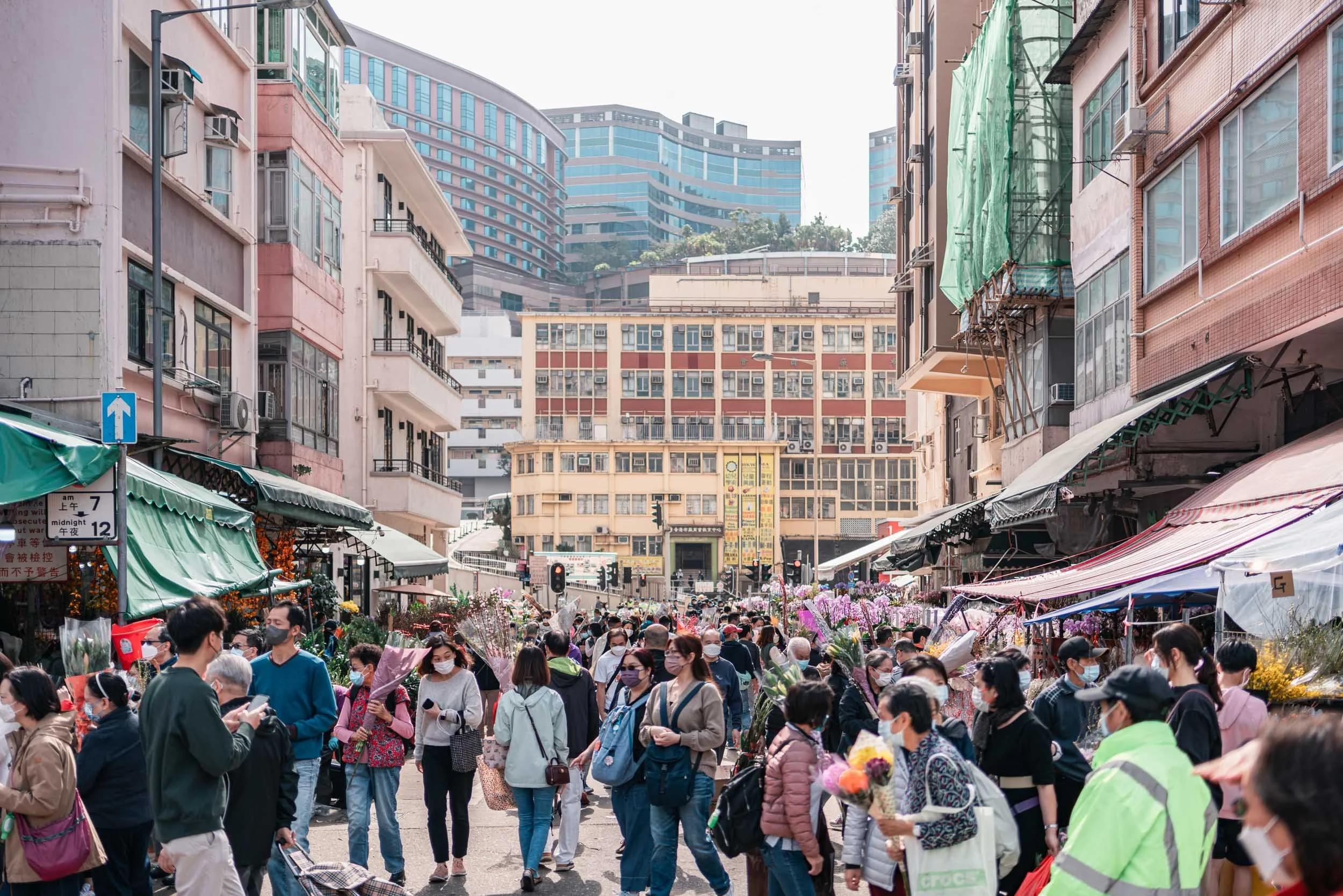
And that’s a wrap on auspicious plants for the Chinese New Year. From fragrant narcissus bulbs to towering gladiolus and cheeky nipple fruit trees, there’s a lucky plant for every personality, budget and square foot of Hong Kong’s real estate.
Whether you’re going all‑out at the Prince Edward Flower Market or quietly ordering a single kumquat tree online, decorating with Chinese New Year flowers and plants is a simple way to weave tradition, symbolism and a touch of superstition into your everyday space.
Fill your home, gift a few pots to friends and family, and let the new year bloom in style – gong hei fat choy to you all.
Related Posts


Wishes galore for the Year of the Horse! Wow friends and family with fail-safe greetings that will keep you prepared for all your prospective red packets.