
A New Earth: Spiritual Awakening Or Just… Fine?
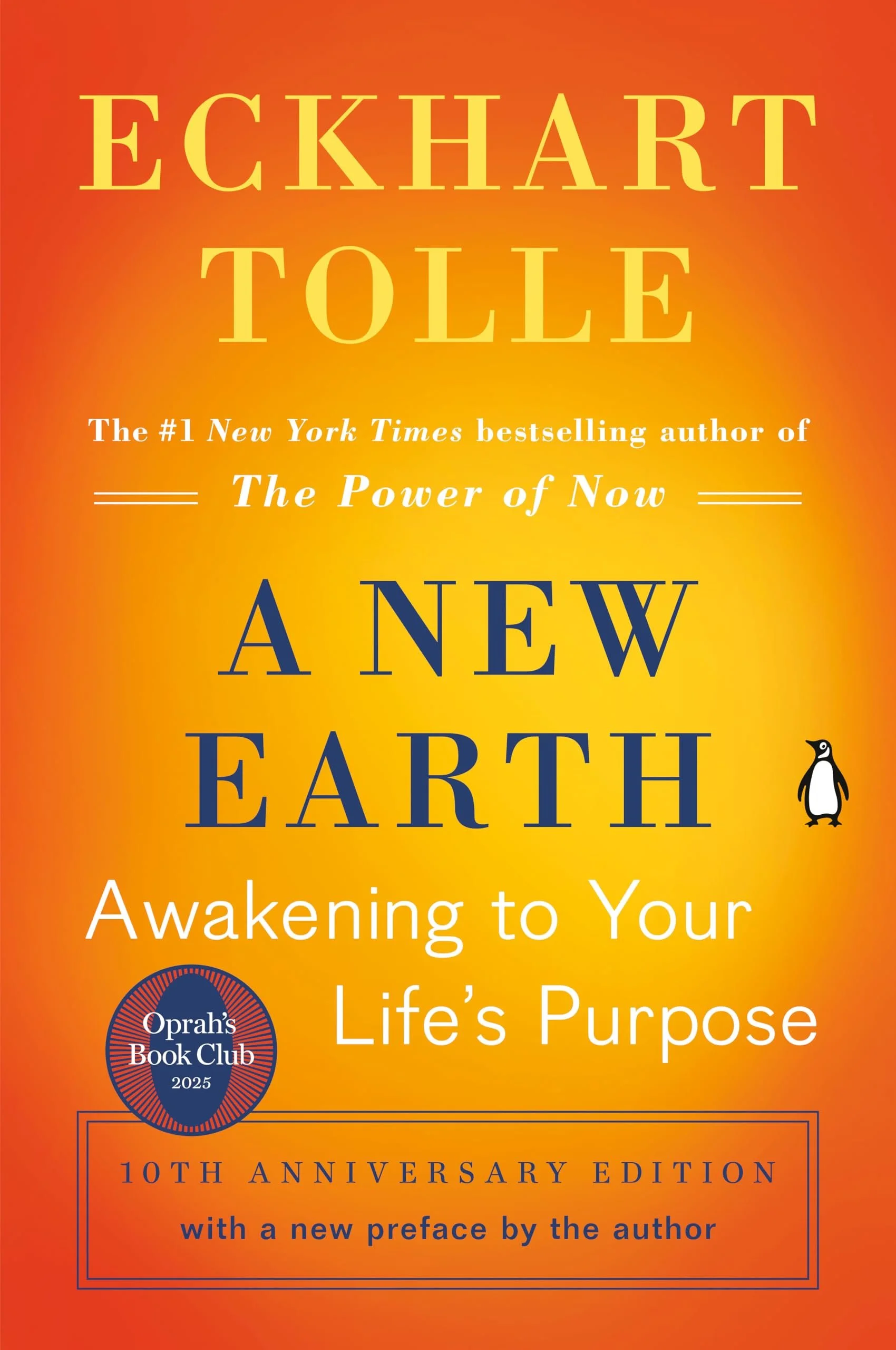
When it comes to spiritual self-help, I’m still waiting for my grand love affair. I’ve yet to find any New Age literature I genuinely resonate with, and Eckhart Tolle’s A New Earth didn’t change that. My impression? It was “ok” – occasionally thoughtful, often soothing – but not exactly the book that rearranged my soul’s furniture. If you’re into spiritual awakening, ego death and consciousness as your new personality trait, this is firmly in your lane. For me, it skimmed rather than landed.
Tolle’s backstory is central to the book’s authority. He writes as someone who went from deep depression and anxiety to a sudden, profound spiritual awakening in his late twenties. That experience underpins everything in A New Earth. He isn’t theorising from an armchair; he’s building a quiet empire from his own breakdown-to-breakthrough narrative. The book is essentially his guide to loosening the grip of the ego, becoming more present and, in his words, contributing to a new, more conscious earth. Very casual, save-the-planet-through-inner-peace kind of thing.
“The underlying emotion that governs all the activity of the ego is fear. The fear of being nobody, the fear of nonexistence, the fear of death.”
The core idea is simple and endlessly repeated: our egoic mind is running the show and making us miserable. By observing our thoughts, stepping into present-moment awareness and recognising our “pain-body”, we can stop reacting and start living more consciously. It’s personal transformation framed as a subtle revolution–less protest sign, more meditation cushion. In the context of constant news doomscrolling, burnout culture, and performative wellness on social media, his message of inner stillness is oddly refreshing, even if the delivery sometimes feels a little airy.
I did find some passages genuinely grounding. When Tolle writes about the chaos created by over-identifying with roles, labels and achievements, it feels uncomfortably accurate in a world obsessed with productivity and personal branding. His reflections on suffering as a teacher are thoughtful without becoming nihilistic. But for all that, the tone occasionally drifts into the floaty, pseudo-mystical territory that makes my sceptical side start reorganising its bookshelves. The prose can feel repetitive, and if you’re after practical, evidence-based tools, this leans more incense than a spreadsheet.
“What matters to you is not necessarily what you say or believe, but what your actions and reactions reveal as important and serious to you. So you may want to ask yourself the question: What are the things that upset and disturb me? If small things have the power to disturb you, then who you think you are is exactly that: small.”
I noticed a recurring theme with New Age literature: people either hail it as life-changing or admire it in theory but forget it in practice. I fall into the second camp. I appreciated the calm energy and some elegant insights on consciousness, but days after finishing, very little stayed with me. It didn’t annoy me; it just didn’t anchor itself. For a good personal growth book, I wanted more grit, more story, more texture.
If you’re spiritually curious, enjoy contemplative reading and don’t mind a slower, meditative style, A New Earth might be exactly the kind of soul-soothing spiritual book you’re after. If, like me, you’re still hunting for New Age writing that feels genuinely resonant, this may simply be another pleasant but ultimately forgettable stop on the journey.
Key Takeaways
The ego is a mental construct, not your identity.
Tolle frames the ego as a collection of thoughts, roles and stories we cling to. Recognising it as a construct, rather than “who you are”, is the first step in loosening its grip.
Presence is the antidote to mental chaos.
The book returns repeatedly to conscious presence: paying deep attention to the moment instead of living in past regrets or future anxieties. This presence softens reactivity and drama.
Pain is intensified by resistance.
Tolle distinguishes between pain and the suffering we create by mentally resisting what is. Acceptance, he argues, doesn’t mean passivity; it means dropping the constant inner fight.
Your “pain-body” feeds on emotional drama.
He describes a stored reservoir of old emotional pain, the “pain-body”, which gets triggered and seeks more negativity. Becoming aware of it interrupts the cycle and reduces conflict.
Inner transformation as quiet activism.
Tolle suggests that changing your inner state contributes to “a new earth”: more conscious relationships, less ego-driven conflict and a gentler, saner way of engaging with the world.
This post may contain affiliate links, meaning we receive a commission when you click the links and make a purchase.
Related Posts



Still waiting to fall in love with New Age books, I found A New Earth thoughtful but not exactly unforgettable. More gentle hum than spiritual mic drop.