
The Other Emily: A Haunting Love Story with A Few Loose Threads
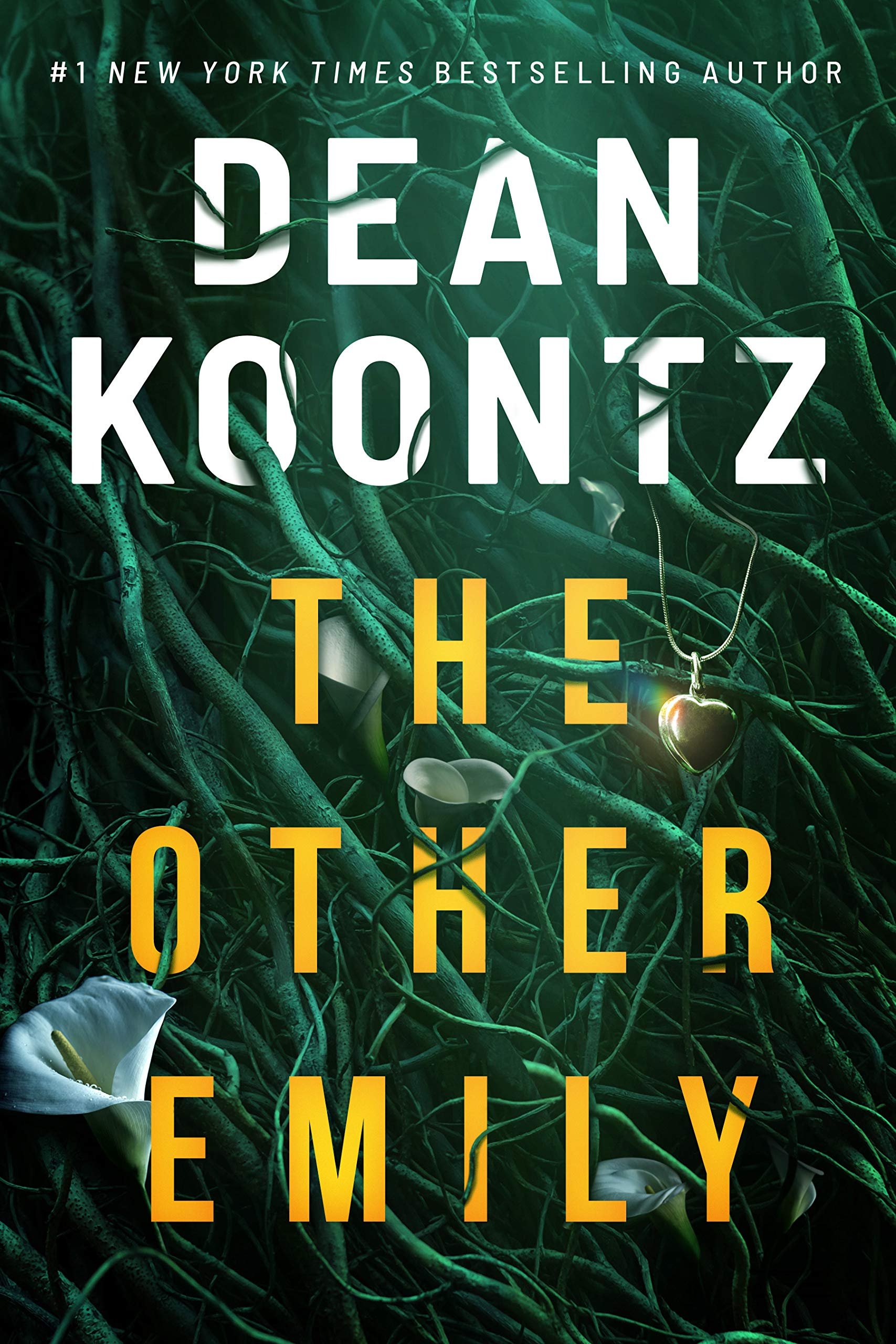
Dean Koontz’s The Other Emily is the kind of psychological thriller that makes you reconsider reading past midnight, especially if you live alone and your hallway light flickers. At its heart, the novel is about grief, obsession and the fragile architecture of memory, wrapped in Koontz’s trademark blend of eerie atmosphere and almost-romantic melancholy. It follows writer David Thorne, still haunted a decade after the disappearance of his great love, Emily. When a woman who looks exactly like her walks into his life, apparently untouched by time, the story slides into that deliciously disorienting territory between longing and nightmare.
For much of the book, I was absolutely hooked. The pacing is relentless in the middle, and there are scenes that are downright chilling when read late at night, the kind that make you put the kettle on just so you’re not sitting in silence with your thoughts. Koontz is at his best when he leans into psychological tension: David’s questioning of his own sanity, the nagging sense that reality has shifted half a degree, the quiet horror of wondering whether the person you love is who they say they are. That blend of romantic obsession and existential dread makes The Other Emily strangely addictive, like doom-scrolling your own emotions.
“There’s the past, which we might wish desperately that we can change, and there’s now. If we don’t seize the now with all our might, it becomes just another part of the past that we end up wishing we could change.”
Thematically, the novel explores identity, the ethics of scientific ambition, and the lengths we’ll go to for second chances. It taps into contemporary anxieties about technology and how we try to outmanoeuvre death, subtly echoing real-world conversations about AI, biotech and the commodification of human life. Koontz doesn’t deliver a heavy-handed lecture, but those questions hum beneath the surface, giving the story more texture than a straightforward missing-girl mystery.
However, the ending does feel like the literary equivalent of someone glancing at the time and saying, “Right, let’s wrap this up.” After such an intense, atmospheric build-up, a few loose ends are hastily tied off, and the central plot twist arrives with less elegance than the earlier chapters promise. For me, it’s not a deal-breaker, but it does keep the book from reaching modern-classic status in the thriller genre.
That said, the journey is still worth taking. The Other Emily is an engrossing, moody read that pairs beautifully with a rainy evening, a blanket and the vague sense that you, too, might be haunted by past versions of yourself. If you’re in the mood for a dark, romantic mystery with psychological thriller vibes and a speculative twist, this one absolutely delivers on atmosphere, even if the final bow is tied a touch too fast.
This post may contain affiliate links, meaning we receive a commission when you click the links and make a purchase.
Related Posts


A dark, feminist crime thriller set in the 1970s Midwest, The Quarry Girls turns small-town nostalgia into something sharp, unsettling, and painfully familiar.