
The Cafe on the Edge of the World: A Story About the Meaning of Life
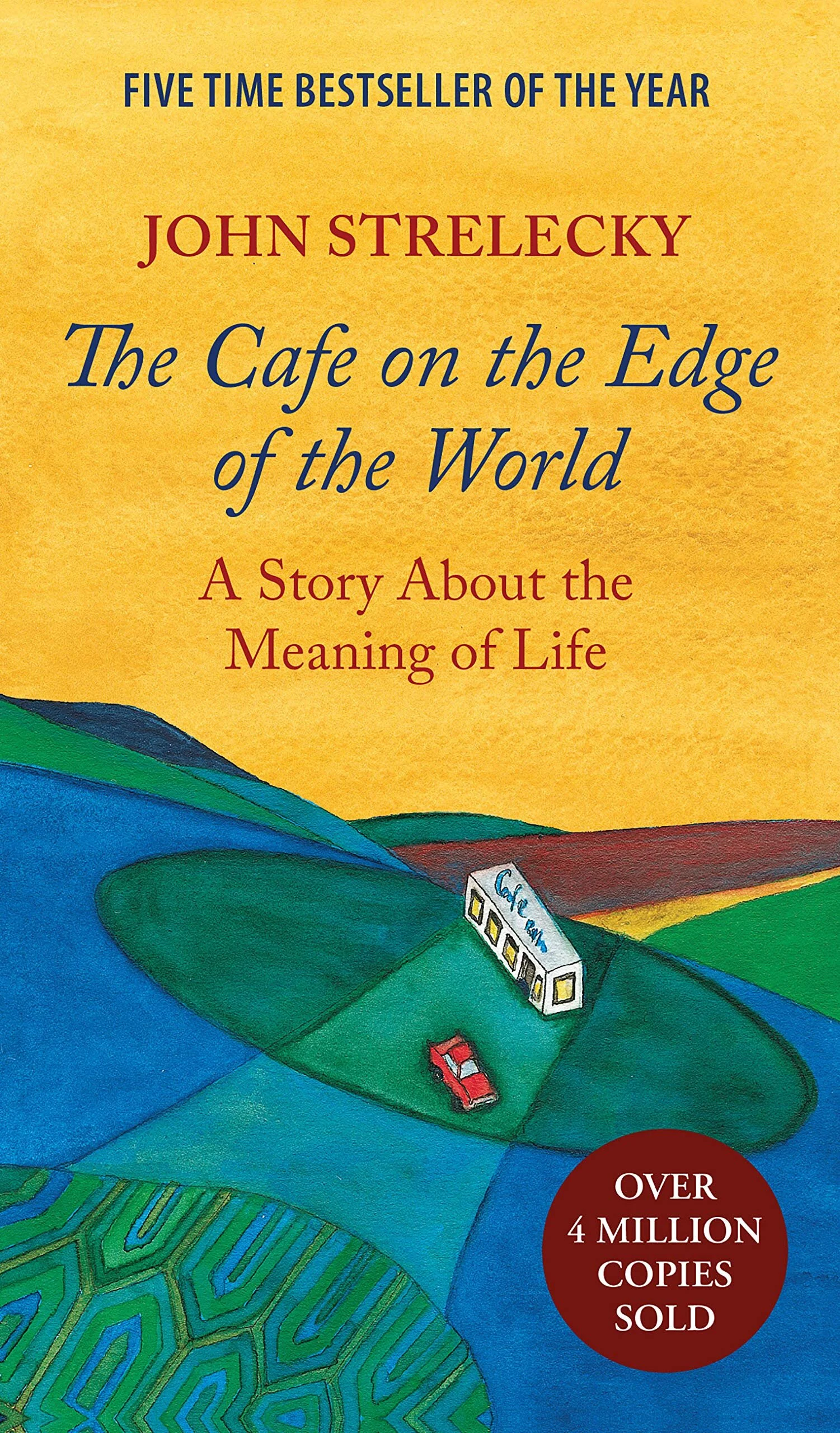
The Café on the Edge of the World by John Strelecky sounds like the set-up for a quirky rom-com, but it’s really a slim slice of existential self-help disguised as fiction. The premise is simple: a burned-out executive stumbles across a tiny roadside café in the middle of nowhere, opens the menu, and instead of specials of the day, he finds three questions staring him down: “Why are you here?”, “Do you fear death?”, and “Are you fulfilled?” You can practically hear the universe clearing its throat.
As a novel, there isn’t much plot to cling to. The story meanders gently, more parable than page‑turner, and the prose can feel a touch naive if you’re used to darker, grittier literary fiction. But that’s also the charm: Strelecky packages big, existential questions into easy, digestible conversations over coffee and pie. It’s the sort of book you can read in one sitting, then slightly resent because you’re now emotionally invested in your own life choices.
Many readers have called it a modern, more straightforward cousin of The Alchemist, and I can see why. Both explore purpose, meaning, and the courage to live deliberately, but The Café on the Edge of the World is less of a mystical desert quest and more of a cosy motorway epiphany. For me, it didn’t deliver a ground‑shattering revelation so much as quietly cement ideas I already believed: that “success” is only meaningful if we define it for ourselves, and that fulfilment isn’t a one-size-fits-all box you tick when society gives its approval.
The book also brushes against the same territory as Everything Is F*cked: we’re tiny specks in an indifferent universe, and in the grand scheme of things, most of what keeps us up at 3 AM truly doesn’t matter. Slightly depressing on paper, oddly liberating in practice. If the world won’t remember your inbox, why are you sacrificing your sanity to it?
“Why is it we spend so much of our time preparing for when we can do what we want, instead of just doing those things now?”
On a personal level, I read this during a season when life felt like a to‑do list I hadn’t signed up for. I barely had the bandwidth to “roll with it”, let alone overhaul my purpose. That’s where the book quietly nudged me: sometimes “more” isn’t the answer. More achievements, more money, more productivity—none of it guarantees a more meaningful life. Choosing the right battles, staying accountable for our decisions, and actually showing up for the goals that matter? That’s where the magic lies.
What stuck with me most was reframing the fear of death as a kind of FOMO about life. We’re not terrified of the end so much as of reaching it with a suitcase full of regrets. The antidote isn’t obsessively preparing for retirement; it’s living now with intention, pruning distractions that quietly drain our time and energy so we don’t sleepwalk past the opportunities we actually want.
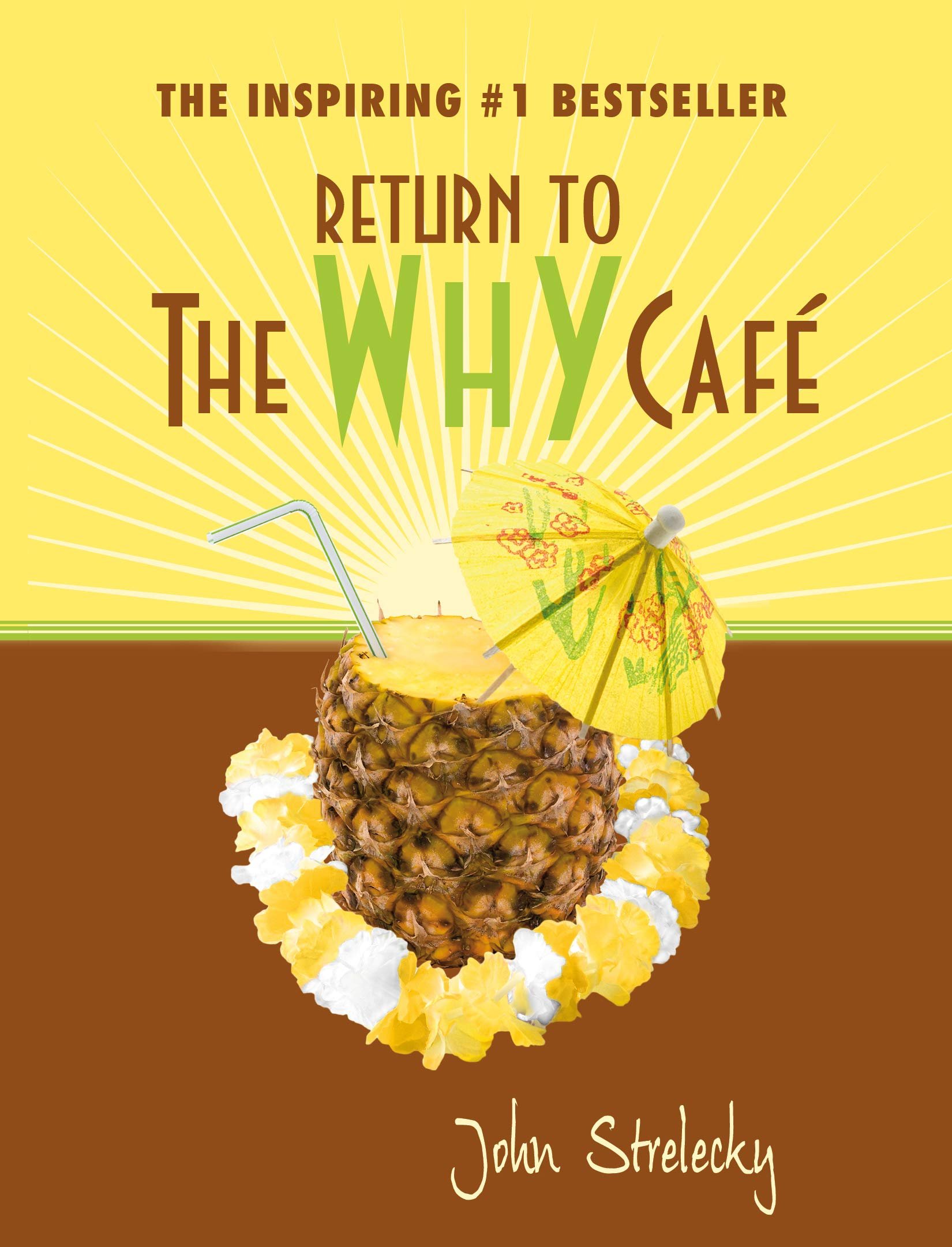
If you enjoy gentle, feel‑good philosophy with your coffee, the sequel, Return to the Why Café, continues the conversation with added emotional depth. Think of it as checking in with an old friend who still won’t let you dodge the hard questions—but will always top up your cup.
This post may contain affiliate links, meaning we receive a commission when you click the links and make a purchase.
Related Posts



Still waiting to fall in love with New Age books, I found A New Earth thoughtful but not exactly unforgettable. More gentle hum than spiritual mic drop.