
The Bezos Letters: 14 Principles to Grow Your Business Like Amazon
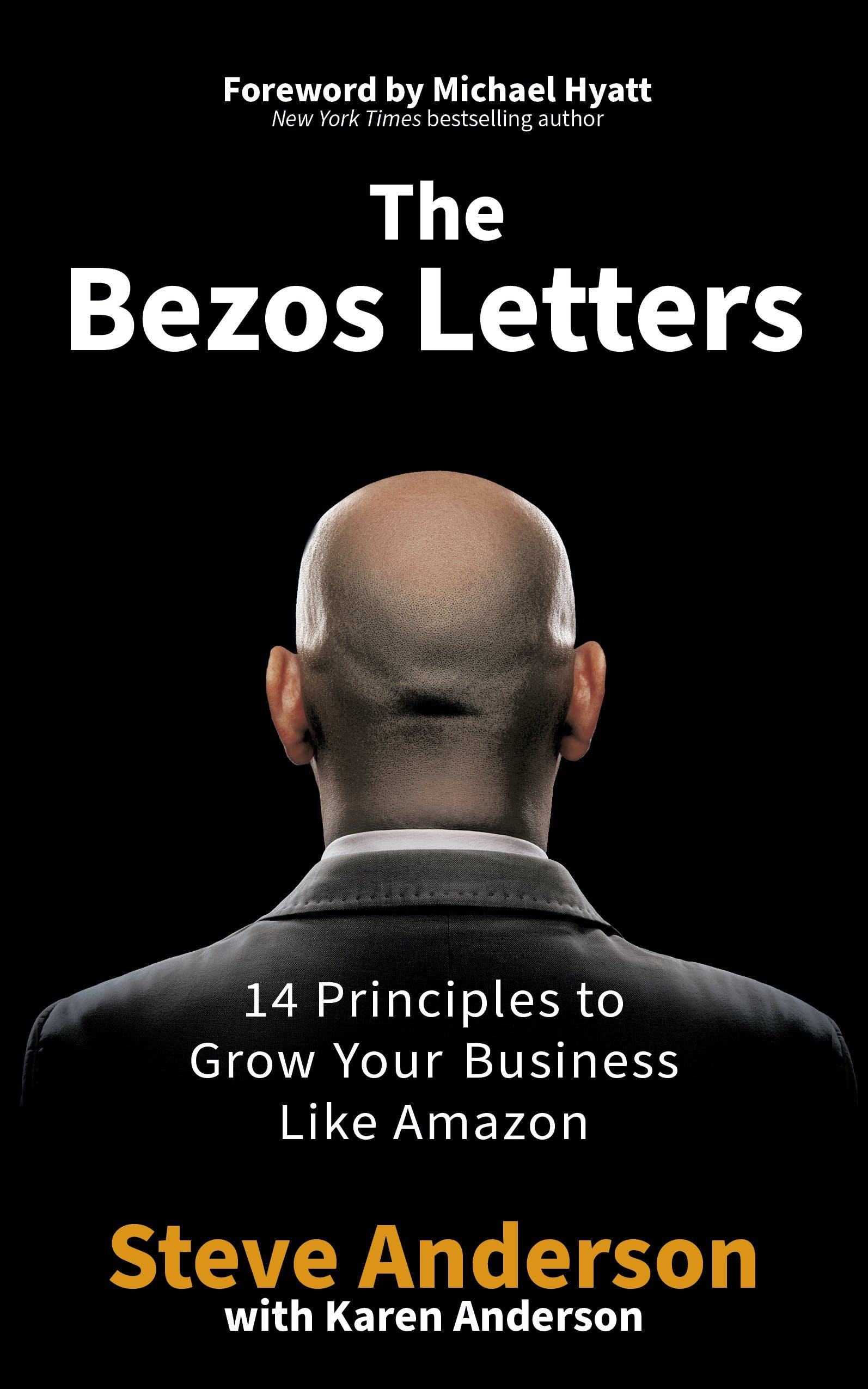
Amazon is one of those brands that worms its way into our daily lives before we even realise it. For me, it’s mostly become a glorified Kindle delivery service these days (Taobao has claimed the rest of my shopping soul), but I still marvel at how obsessively the company smooths out every tiny bit of customer friction. Steve Anderson’s The Bezos Letters takes that admiration and dials it up several notches, packaging Jeff Bezos’s annual shareholder letters into a glossy business playbook for ambitious founders and corporate hopefuls.
The premise is strong: starting with the now-legendary 1997 shareholder letter, Anderson distils what he calls the “14 Growth Principles”, neatly arranged as a roadmap for innovation, risk-taking and long-term thinking. If you’re interested in Amazon’s growth strategy, business leadership or how to build a customer-obsessed company, the book positions itself as your all-in-one cheat sheet. The catch? These “Anderson Principles” are unnervingly close to Amazon’s own Leadership Principles, which evolved from 14 to 16 in 2021. At times, it feels less like a fresh framework and more like a slightly repackaged, fan-letter version of what’s already out there.
Structurally, The Bezos Letters reads a bit like a very enthusiastic A-level essay. Anderson combs through each shareholder letter, pulls out key excerpts, then slots them neatly under whichever principle he’s trying to prove at that moment. It’s efficient, yes, but by the book’s second half, I found myself slogging rather than sprinting. The same anecdotes are recycled across multiple principles, and the narrative becomes predictable: quote Bezos, bold the moral, move on. It’s the kind of repetition that might work in a workshop slide deck, but in long-form it feels padded.
“There’s an old saying in business: ‘If you think it’s expensive to hire a professional, wait until you hire an amateur.’”
What niggled at me most, though, was the distance between author and subject. Anderson has never worked for or with Amazon, so everything here is built from public information, secondary research and his own interpretation. That’s not inherently a problem—many solid business books do exactly that—but when the tone veers into near-reverence, I found myself craving more critical distance and fewer breathless superlatives. Amazon’s backstory is genuinely riveting; I just didn’t always need it narrated to me like corporate scripture.
If you’ve never dipped into Bezos’s letters and want a curated, guided tour with commentary, this business book isn’t a terrible place to start. I, however, left feeling that the real value still lies in the original documents. Stripped of commentary, the letters are sharper, funnier and more revealing about Amazon’s culture of experimentation and calculated risk. In comparison, The Bezos Letters often feels like someone highlighting your textbook for you, whether you asked them to or not.
In the end, I’m happier revisiting my own notes and the original shareholder letters than rereading the book itself. The principles are sound, the case study is iconic, but if you’re looking for deep insider insight into Amazon’s innovation machine, this isn’t quite it—it’s more curated museum tour than a backstage pass.
The 14 Principles:
Test
1. Encourage “successful failure”
2. Bet on big ideas
3. Practise dynamic invention and innovation
Build
4. Obsess over customers
5. Apply long-term thinking
6. Understand your flywheel
Accelerate
7. Generate High-Velocity Decisions
8. Make Complexity Simple
9. Accelerate Time with Technology
10. Promote Ownership
Scale
11. Maintain Your Culture
12. Focus on High Standards
13. Measure What Matters, Question What’s Measured, and Trust Your Gut
14. Believe It’s Always Day 1
This post may contain affiliate links, meaning we receive a commission when you click the links and make a purchase.
Related Posts


Covey’s classic isn’t just productivity porn; it’s a grown-up guide to values, habits and leadership that still hits uncomfortably close to home.