
To Kill A Mockingbird: A Quiet Classic That Still Stings
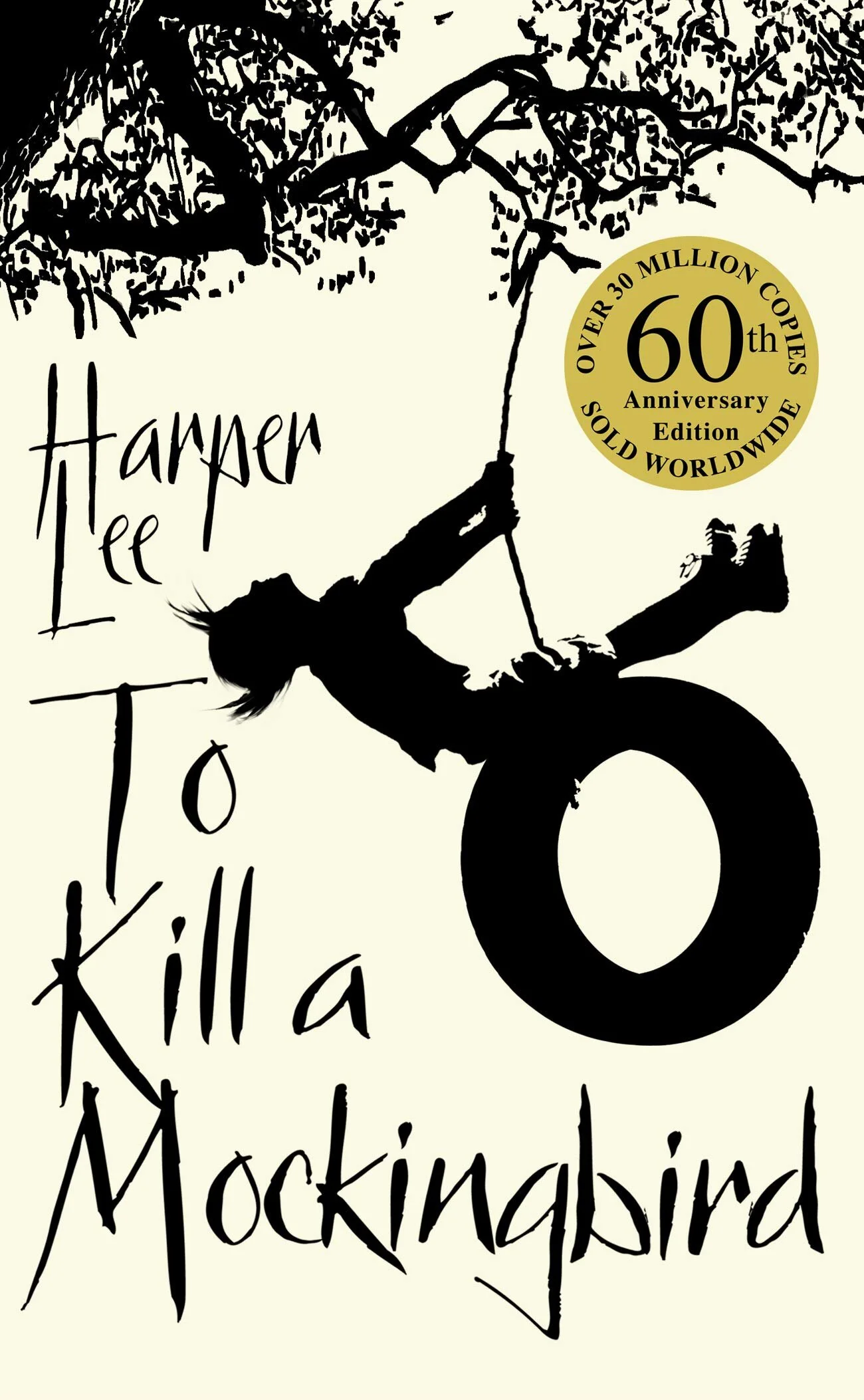
Harper Lee’s To Kill a Mockingbird is one of those novels people assume you’ve read, like Pride and Prejudice or the back of a cereal box. Somehow it slipped through the cracks of my school curriculum, so I arrived in Maycomb, Alabama, embarrassingly late. Published in 1960, this Pulitzer Prize-winning classic has clung to the literary canon with the tenacity of a burr on a schoolyard sock, and, as it turns out, for very good reason.
Told through the sharp, often hilarious, and occasionally heartbreaking eyes of Scout Finch, the story follows a small-town childhood in the racially segregated American South of the 1930s. On the surface, it reads like a coming-of-age novel: long, sticky summers, mysterious neighbours, schoolyard politics, and the kind of sibling bickering that feels painfully familiar. Beneath that, though, simmers something darker. Scout’s father, Atticus Finch, a quietly formidable lawyer, is appointed to defend Tom Robinson, a black man falsely accused of raping a white woman. The trial tears through Maycomb’s genteel façade, exposing the rot of systemic racism and small-town prejudice.
Atticus himself has earned his place in the pantheon of fictional fathers for good reason. He’s principled without being preachy, affectionate without becoming saccharine, and somehow manages to dispense timeless parenting wisdom between court appearances and late-night reading sessions. His insistence on empathy—on “climbing into someone’s skin and walking around in it”—feels particularly piercing in a world still wrestling with racial injustice, from Black Lives Matter to conversations around everyday microaggressions.
“The one thing that doesn’t abide by majority rule is a person’s conscience.”
Thematically, To Kill a Mockingbird is a rich cocktail of racial injustice, moral courage and the loss of innocence. The infamous trial at the centre of the book is loosely inspired by real-life cases such as the Scottsboro Boys, and Lee’s portrayal of all-white juries, biased policing and the casual cruelty of segregation feels disturbingly familiar to a contemporary reader. It’s a sobering reminder that progress is neither linear nor guaranteed. Yet the novel is not unrelentingly bleak; it’s threaded with warmth, humour, and small acts of defiance that suggest change often begins in the most ordinary of homes.
I’ll admit, this is not a page-turner in the thriller sense. The pacing is leisurely, especially in the opening chapters, as Lee lingers over front porches, gossip, and childhood games. This slow burn is testing, and I did catch myself willing the plot to get on with it. But once the trial begins, the emotional payoff justifies the patience; the groundwork laid in those earlier scenes makes Maycomb feel uncomfortably real, like a town you might accidentally drive through on holiday.
“Mockingbirds don’t do one thing but make music for us to enjoy. They don’t eat up people’s gardens, don’t nest in corncribs, they don’t do one thing but sing their hearts out for us. That’s why it’s a sin to kill a mockingbird. ”
And the title? As a child, I was baffled. Who’s killing birds, and why are we reading about them? Mockingbirds, we learn, symbolise innocence and goodness—creatures that “don’t do one thing but make music for us to enjoy.” To kill a mockingbird is to destroy what is pure and vulnerable, whether it’s Tom Robinson, Boo Radley’s fragile peace, or the children’s naive belief that justice is inevitable. The detail that the Finch family are named after another small songbird is no coincidence; Lee was nothing if not deliberate.
If you’re in the mood for a classic that actually earns its classic status—layered, quietly devastating, but laced with warmth and wit—To Kill a Mockingbird is well worth revisiting, or finally ticking off that lingering bucket list.
This post may contain affiliate links, meaning we receive a commission when you click the links and make a purchase.
Related Posts



A dark, feminist crime thriller set in the 1970s Midwest, The Quarry Girls turns small-town nostalgia into something sharp, unsettling, and painfully familiar.