
Many Lives, Many Masters
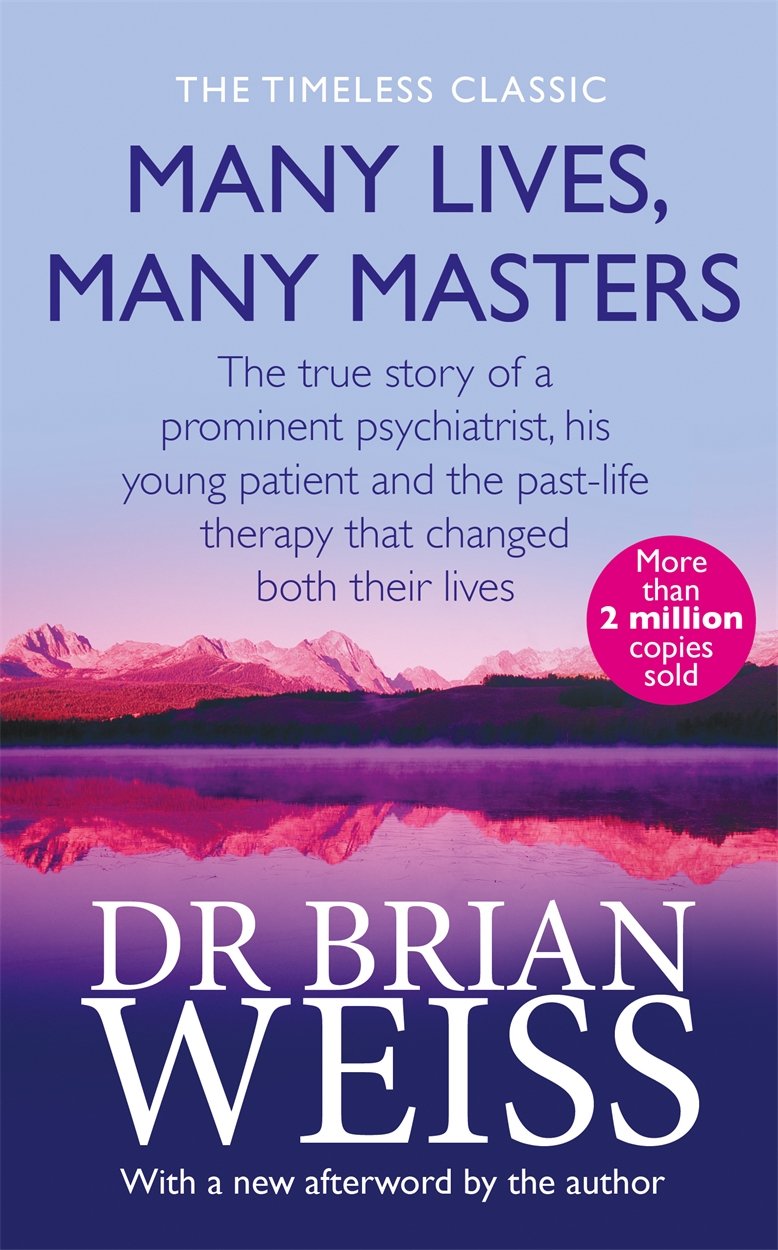
Many Lives, Many Masters by Dr Brian Weiss felt a bit like sneaking into a therapy session with the universe. First published in the late 1980s and still a staple on every “spiritual awakening” and “mind-body-soul” reading list, this slim little book sits at the crossroads of psychiatry, past-life regression and spiritual healing — and somehow manages not to sound utterly bonkers while doing it.
Weiss, a very proper, very conventional American psychiatrist, begins as the ultimate sceptic. Enter Catherine, his anxious, traumatised patient who doesn’t respond to standard treatments. Under hypnosis, instead of calmly revisiting her childhood, she recounts vivid scenes from what appear to be past lives. Different centuries, different bodies, same soul. It sounds like the plot of a fantasy novel, but Weiss insists these are clinical case notes, not creative writing. Whether you buy into reincarnation or not, it’s undeniably gripping.
The book reads like narrative nonfiction with a strong emotional core, more of a spiritual memoir than a dry psychological text. Weiss charts Catherine’s transformation as her panic attacks ease and long-standing fears dissolve after these past-life regression sessions. Layered through the narrative are messages from “the Masters” — higher spiritual beings who chime in with philosophical one-liners about karma, love and the point of all this suffering.
In terms of themes, Many Lives, Many Masters is obsessed with healing and the idea that our souls are here to learn, not to be punished. Karma is reframed less as cosmic revenge and more as emotional housekeeping: unfinished business, old fears and patterns trailing behind us until we finally deal with them. It also quietly pokes at our fear of death, suggesting that life after death — and life before this one — might be less horror film and more continuous syllabus. It reminds me of my favourite K-drama Guardian: The Lonely and Great God, a heartwrenching tale revolving around similar themes. Can reincarnation be a means for the soul to learn and grow by overcoming traits that held us back spiritually in the past? Is it possible that our lives are threads woven through a much larger tapestry?
The writing is straightforward, occasionally clinical, but there are moments of tenderness that keep it from feeling like a case report you’d rather nap through. My one caveat is that if you prefer your evidence double-blind and peer-reviewed, you might raise an eyebrow at the lack of scientific rigour. Weiss offers anecdotal proof, not lab-tested data, and he leans more on faith and experience than hard science. For some, that’s beautifully liberating; for others, mildly infuriating.
Still, even if you’re a polite sceptic, Many Lives, Many Masters is an engaging, introspective read. It nudges you to ask whether your fears, relationships and repeating life patterns are really as random as they seem — or whether your soul has been here before, quietly trying to get it right.
This post may contain affiliate links, meaning we receive a commission when you click the links and make a purchase.
Related Posts



Still waiting to fall in love with New Age books, I found A New Earth thoughtful but not exactly unforgettable. More gentle hum than spiritual mic drop.