
Let’s be honest: unless a film arrives wrapped in thunderous sound design, massive cinematic set-pieces, and an OST that demands a proper theatre sound system, I rarely bother with a trip to the cinema anymore.
In a city that moves at this neck-snapping pace, going out to watch a film usually feels like just another logistical hurdle. But lately, I’ve found myself developing a quiet, intentional appreciation for something entirely different—the artsy, intimate captures that trade blockbuster noise for atmosphere, resting in the quiet spaces between dialogue.
And perhaps that’s because Hong Kong cinema itself has always been a study in extremes. Decades ago, our local film industry enjoyed a golden age—a dizzying heyday when Cantonese-language films flooded international markets, turning neon-lit streets into the undisputed Hollywood of the East and churning out action-packed, genre-defining works at a breakneck pace. But as the political landscape shifted, budgets tightened, and global markets fractured, that unbridled commercial engine was gradually overshadowed by financial pressures, co-production demands, and the looming presence of the mainland market.
Yet rather than dying out, the industry fractured into something sharper and more resilient. After decades of watching this city reinvent itself, I’ve come to realise that Hong Kong’s cinematic soul isn’t just found in the high-budget spectacles. It’s written into the grease on the tables of cha chaan tengs, the sudden slant of damp light cutting through an alleyway, or the low, constant hum of air conditioners dripping onto overhead electrical wires. It lives in the frames of filmmakers who stayed behind to document a changing home.
By default, guidebooks point you towards the Peak Tram and the Star Ferry, treating Hong Kong like a glossy postcard frozen in time. But if you want to understand why this place moves the way it does—why the energy can pivot from manic velocity to crushing melancholy in a single block—you have to look at it through the lens of its local cinema. Films are our architectural ghosts, our political pressure valves, and collective memories, capturing a city that has spent decades inventing, erasing, and rewriting itself in real time.
Concrete & Celluloid: Architecture, Public Space & Urban Density
Hong Kong’s hyper-dense cityscape doesn't just serve as a backdrop; it dictates the grammar of local storytelling. When you live piled on top of one another—where public housing estates stretch like infinite concrete honeycombs and tenement buildings (tong lau) lean so close their laundry lines almost touch—space becomes a character in its own right. Our filmmakers have always weaponised this claustrophobia, contrasting grand, breathless urban choreography with the gritty, unglamorous mechanics of daily life.
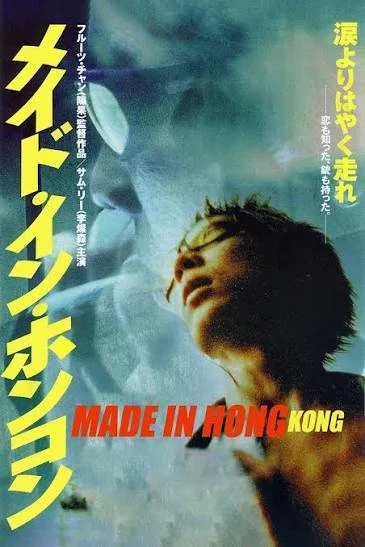
Directed by Fruit Chan, starring Sam Lee, Neiky Yip, and Wenders Li.
Shot on a shoestring budget with leftover film stock donated by Andy Lau just before the 1997 handover, this indie landmark feels less like a finished film and more like a stolen dispatch from the pavement. It maps youth alienation against the looming, desolate concrete corridors of public housing estates and narrow tenement stairwells, capturing the nervous sweat of a generation wondering what tomorrow would look like.
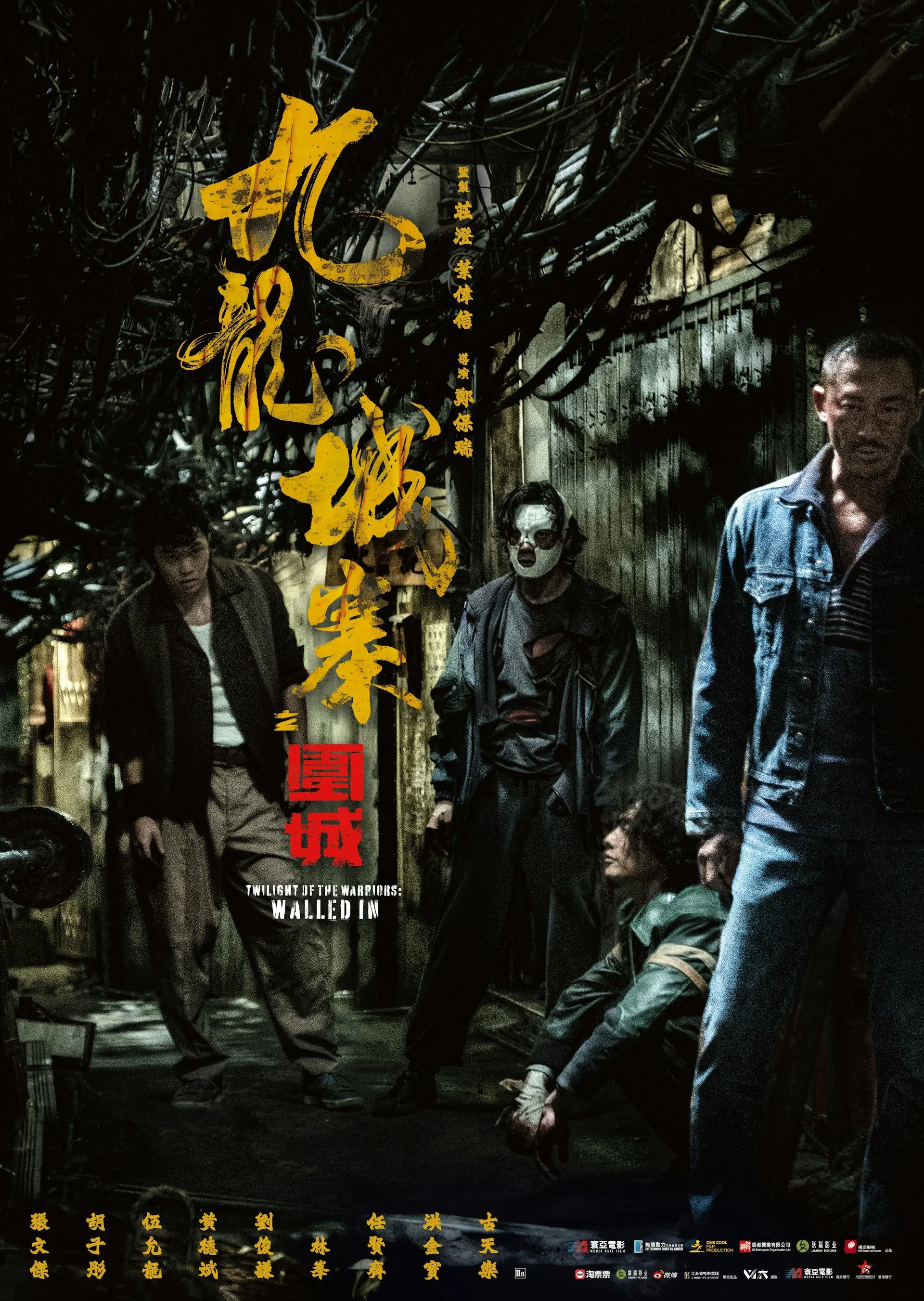
Directed by Soi Cheang, starring Louis Koo, Raymond Lam, Terrance Lau, and Sammo Hung.
This high-octane feature has a visceral, sweat-soaked poetry as it reconstructs the mythos of the long-demolished Kowloon Walled City. Growing up in the city, the Walled City always felt like a mythic, lawless beast at the heart of our urban map. Cheang captures its labyrinthine verticality and tight-knit community's survival with staggering precision, turning architectural congestion into an epic theatre of combat where concrete walls feel like closing lungs.
The Art of Sau Wai: Cinematic Melancholy & Changing Rituals
Beneath the relentless neon and high-speed commerce lies sau wai (愁壞)—a uniquely Cantonese concept of bittersweet melancholy. It’s the distinct weight of transience, the ache of watching familiar streets, old wet markets, and generational traditions slip away as the skyline towers ever higher. To find this cinematic mood on the ground, you don't go to the malls; you wander through quiet neighbourhood streets at twilight, listening to the clatter of mahjong tiles echoing through humid courtyards before the old buildings are slated for yet another redevelopment.
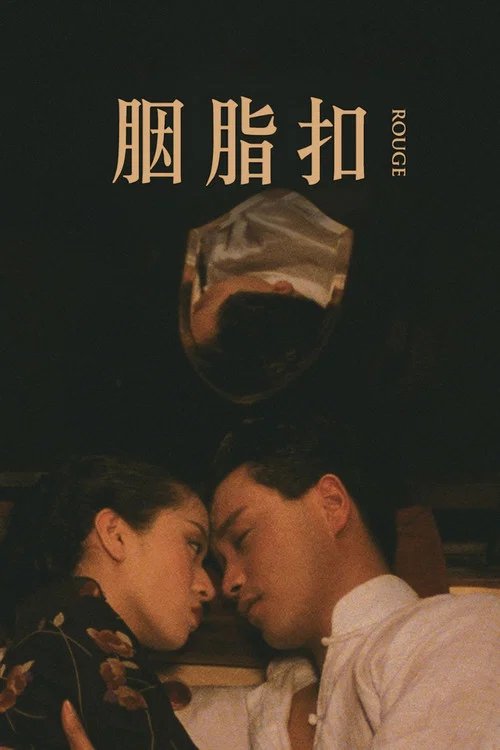
Rouge 胭脂扣 (1987)
Directed by Stanley Kwan, starring Leslie Cheung and Anita Mui.
Blending ghostly romance with the haunting nostalgia of lost opium dens and old-world performance halls in Sheung Wan, Rouge captures the eternal ghost-town longing of a city haunted by its past. Anita Mui’s tragic courtesan, wandering through a rapidly modernising 1980s Hong Kong, remains the ultimate metaphor for this city: a place perpetually trying to recognise its reflection in a broken mirror.
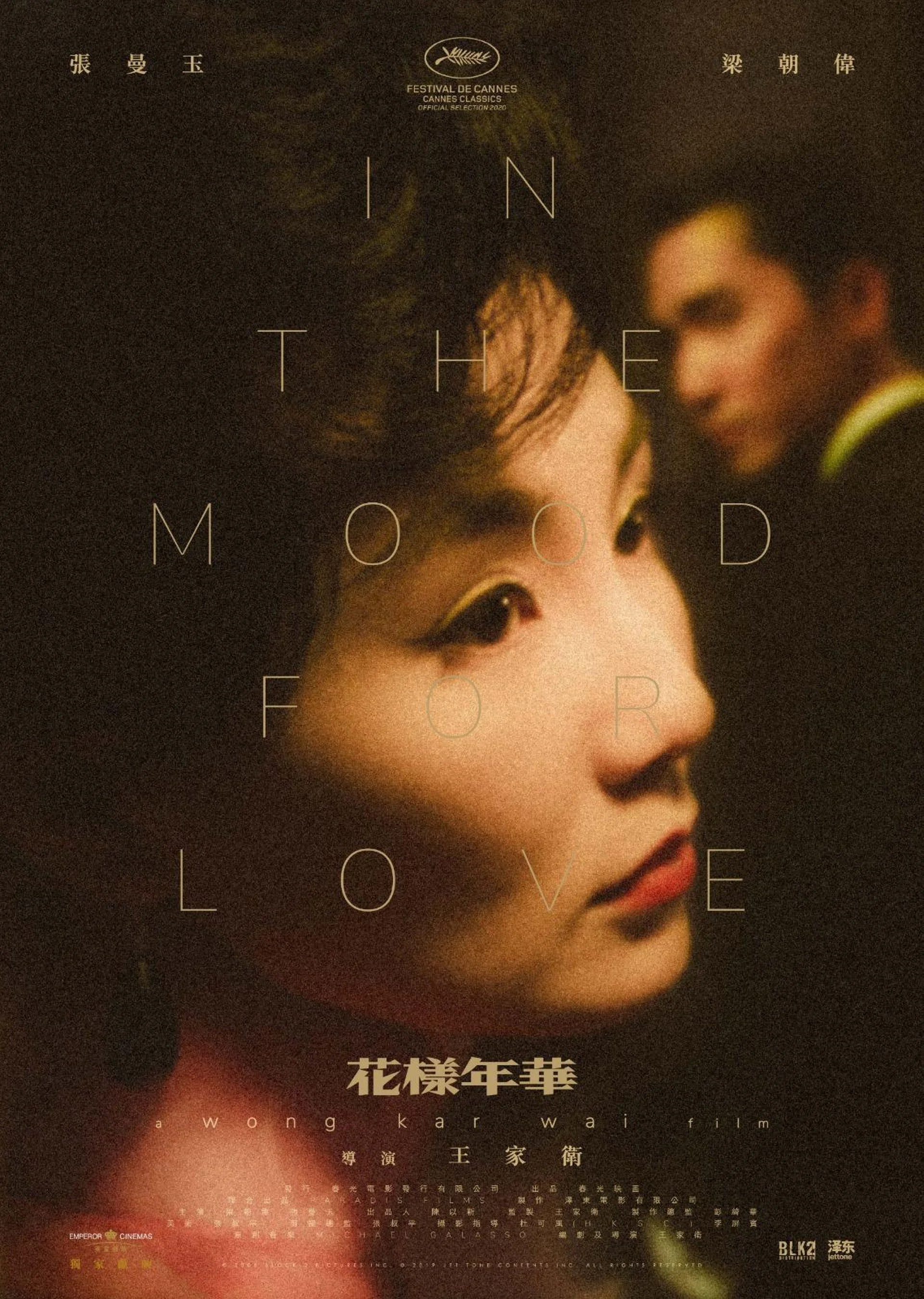
Directed by Wong Kar-wai, starring Tony Leung Chiu-wai and Maggie Cheung.
Wong Kar-wai doesn't just film 1960s Hong Kong; he films the texture of memory itself. This is a masterclass in longing and restraint, evoking the quiet heartache of Shanghai-influenced, atmospheric corridors, whispered secrets, and rain-slicked alleyways where time feels suspended. As you walk down a narrow staircase in an old Mid-Levels walk-up, you can almost hear Nat King Cole humming softly through the plaster walls.
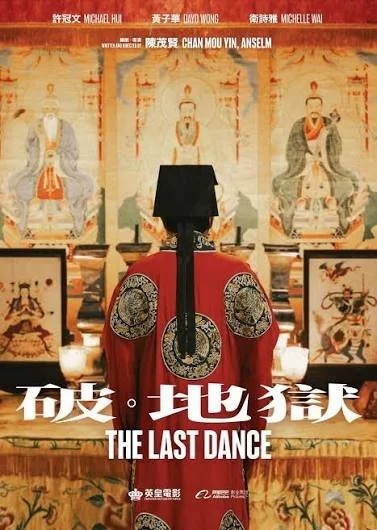
The Last Dance 破·地獄 (2024)
Directed by Anselm Chan, starring Dayo Wong, Michael Hui, and Michelle Wai.
Grounding urban memory in the solemn, incense-heavy atmosphere of local funeral parlours, this moving contemporary drama explores life-and-death traditions we often sweep under the rug. Watching veteran comedians turn their timing towards Taoist undertaker arts and generational reconciliation reminded me why Hong Kong storytelling hits so close to home: it confronts our deepest cultural taboos head-on and asks how we can learn to let go.
The High-Octane Grid: Martial Arts, Police & Crime Thrillers
If urban density gave us claustrophobia, our commercial film industry gave us adrenaline. Hong Kong’s defining global exports have always relied on movement, institutional friction, and high-stakes cat-and-mouse games. Whether tracking bare-fisted combat across restricted territories or following sleek undercover procedurals, these films use our hyper-connected infrastructure—from towering glass corporate rooftops to rain-slicked side streets—as an unforgiving chessboard.
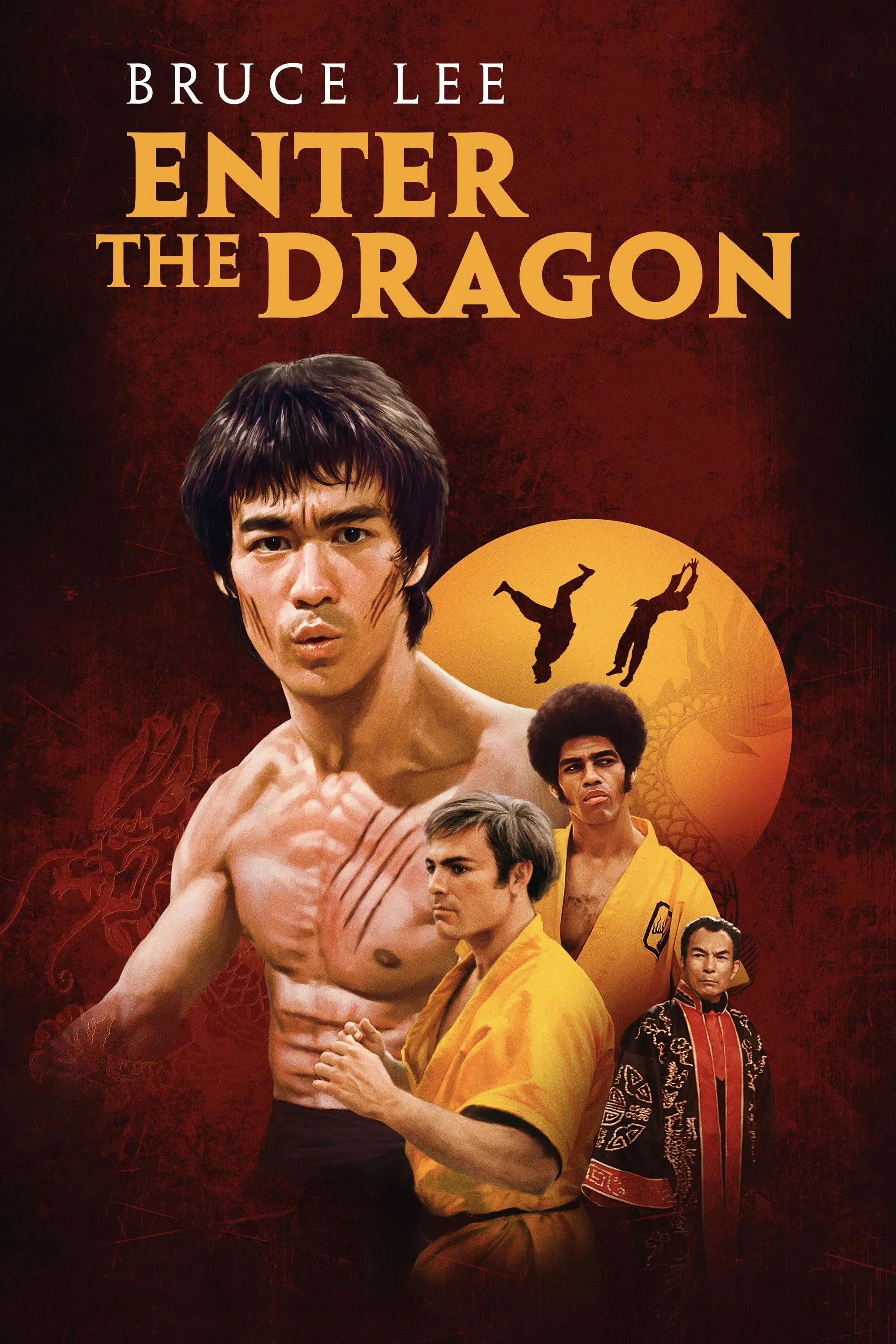
Directed by Robert Clouse, starring Bruce Lee, John Saxon, and Jim Kelly.
Bruce Lee didn't just star in films; he codified the physical ethos of an entire culture. His international masterwork immortalised a raw physical discipline and spatial choreography, permanently placing Hong Kong on the global map and proving that local grit could command the world stage without offering a single polite apology.
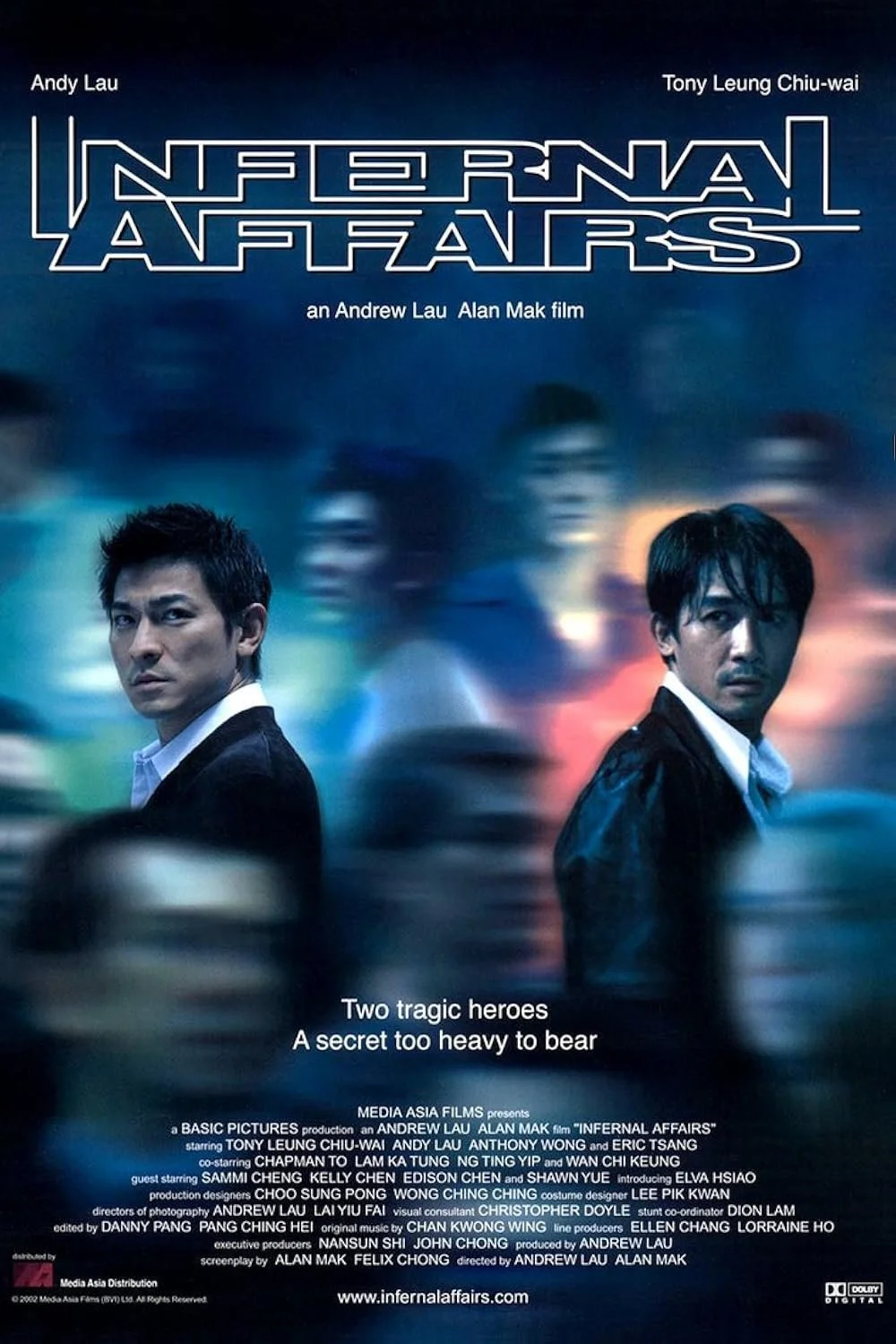
Directed by Andrew Lau and Alan Mak, starring Andy Lau, Tony Leung Chiu-wai, Anthony Wong, and Eric Tsang.
Long before Hollywood tried to remake it, this tense, psychological cat-and-mouse game defined the psychological grid of modern urban crime. The sight of Tony Leung and Andy Lau facing off across the sterile glass ledges of IFC rooftops, against a backdrop of Victoria Harbour, perfectly mirrors the moral split-seconds of living in a city caught between systems.
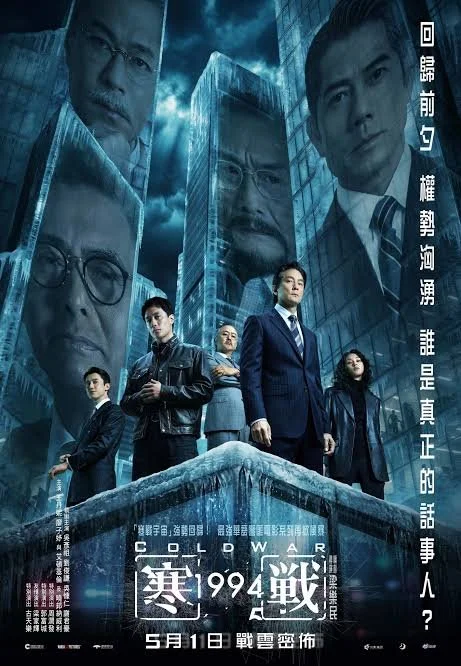
Directed by Longman Leung and Sunny Luk, starring Aaron Kwok, Tony Leung Ka-fai, and Andy Lau.
Using institutional boardrooms, high-tech emergency command centres, and sweeping skyline vantage points, this taut thriller dissects the cold machinery of police bureaucracy. It captures a very specific Hong Kong anxiety: the fear that the sophisticated systems keeping us safe might be a house of cards waiting for a strong wind.
Street Wit & Domestic Realism: Mo Lei Tau Comedy & Contemporary Life
Humour in Hong Kong has never been a casual luxury; it is a vital survival strategy. When you live in matchbox apartments amid skyrocketing rents, you either laugh or crack up. Local comedy and family dramas capture the genuine, unvarnished pulse of everyday residents, turning absurdity into art.
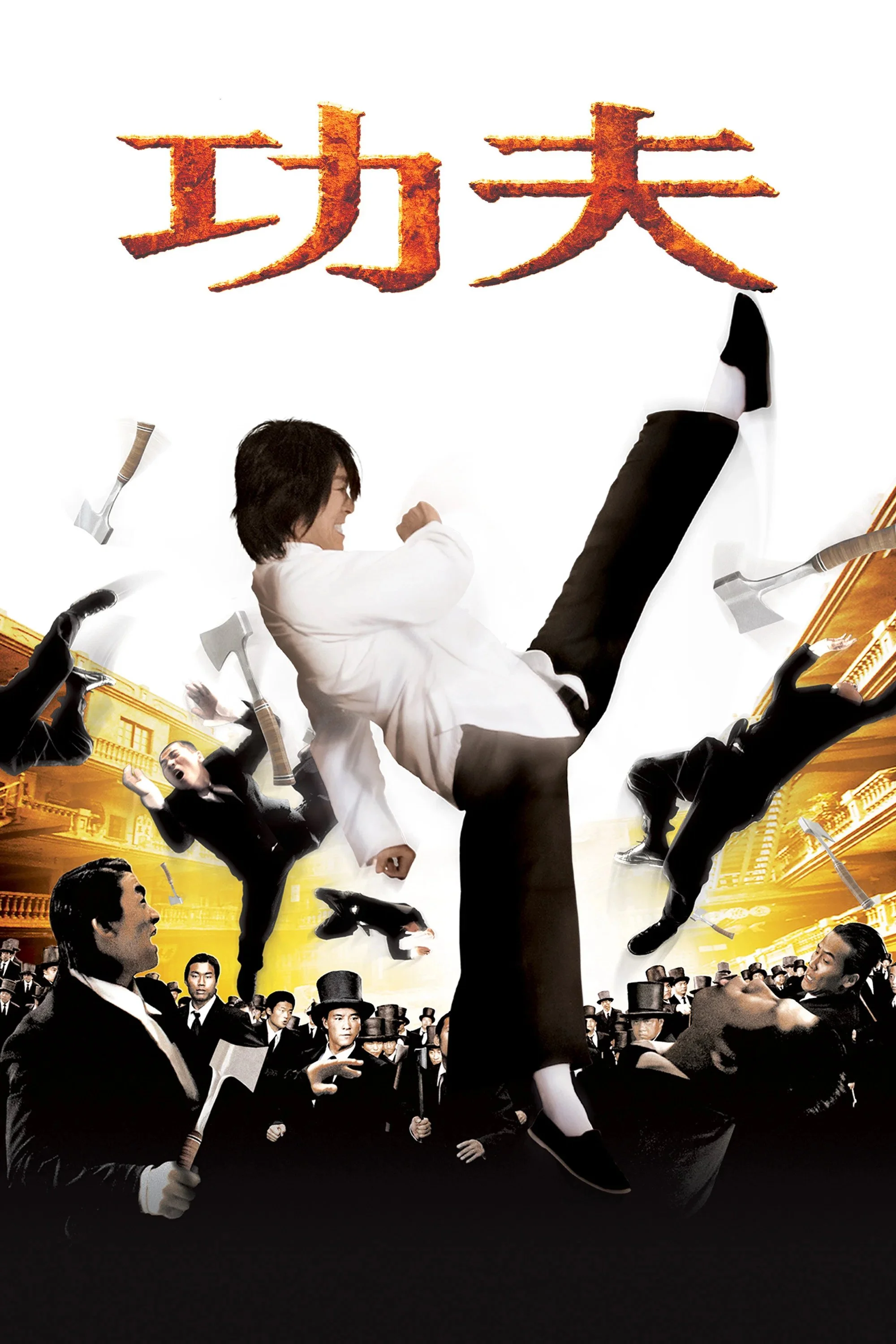
Directed by Stephen Chow, starring Stephen Chow, Wah Yuen, and Qiu Yuen.
A brilliant showcase of Stephen Chow’s signature Mo Lei Tau (nonsensical comedy), celebrating street-smart resilience, eccentric underdogs, and community survival within dilapidated historical tenement housing (tong lau). Beneath the cartoonish CGI and flying kicks lies a profound love letter to the chaotic, noisy, fiercely protective spirit of old-school neighbourhood tenements, where everyone knows your business.
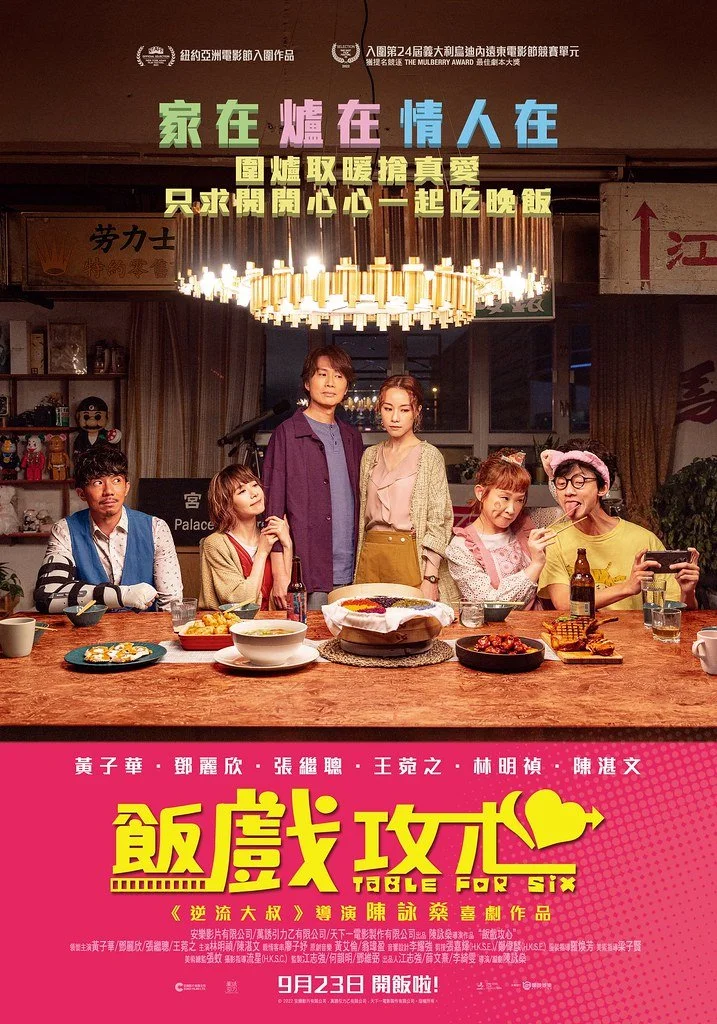
Directed by Sunny Chan, starring Dayo Wong, Stephy Tang, and Louis Cheung.
A sharp, witty comedy that turns a single domestic dining table into an absolute pressure cooker. It dissects housing market anxieties, family expectations, and modern relationship dynamics with rapid-fire Cantonese wordplay that makes you feel as if you're sitting right there in the cramped flat, passing the soy sauce.
Beyond the Blockbusters: The Quiet Lens of Indie Voices
Alongside high-flying martial arts and glossy crime epics, contemporary indie cinema has carved out an essential space for quiet societal shifts. For travellers seeking to engage authentically with local film culture, independent screenings, community archives, and neighbourhood arthouse hubs offer a profound window into the city’s soul.
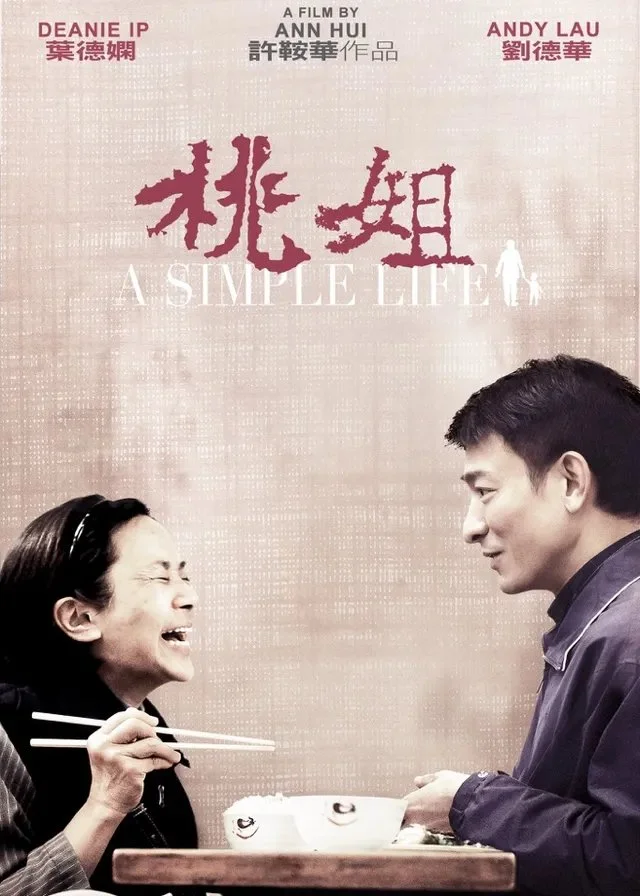
A Simple Life 桃姐 (2011)
Directed by Ann Hui, starring Deanie Ip and Andy Lau.
A deeply humanistic drama that explores the tender, lifelong bond between an ageing domestic helper and the film producer who grew up under her care. It’s devoid of flashy cinematic tricks, opting instead to observe the quiet dignity of ageing and class dynamics in a city that usually moves far too fast to look back.
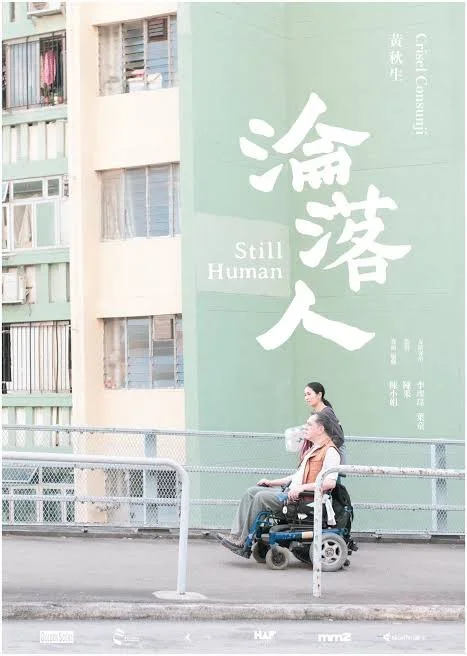
Still Human 淪落人 (2018)
Directed by Oliver Chan, starring Anthony Wong and Crisel Consunji.
An indie gem that captures the unlikely, dignified companionship forged between a Hong Kong man, paralysed and depressed, living in a public housing flat, and his resilient Filipina caregiver. It’s a masterclass in empathy, reminding us that the city’s truest stories unfold in the quiet margins, far from the flashing neon lights of the financial district.
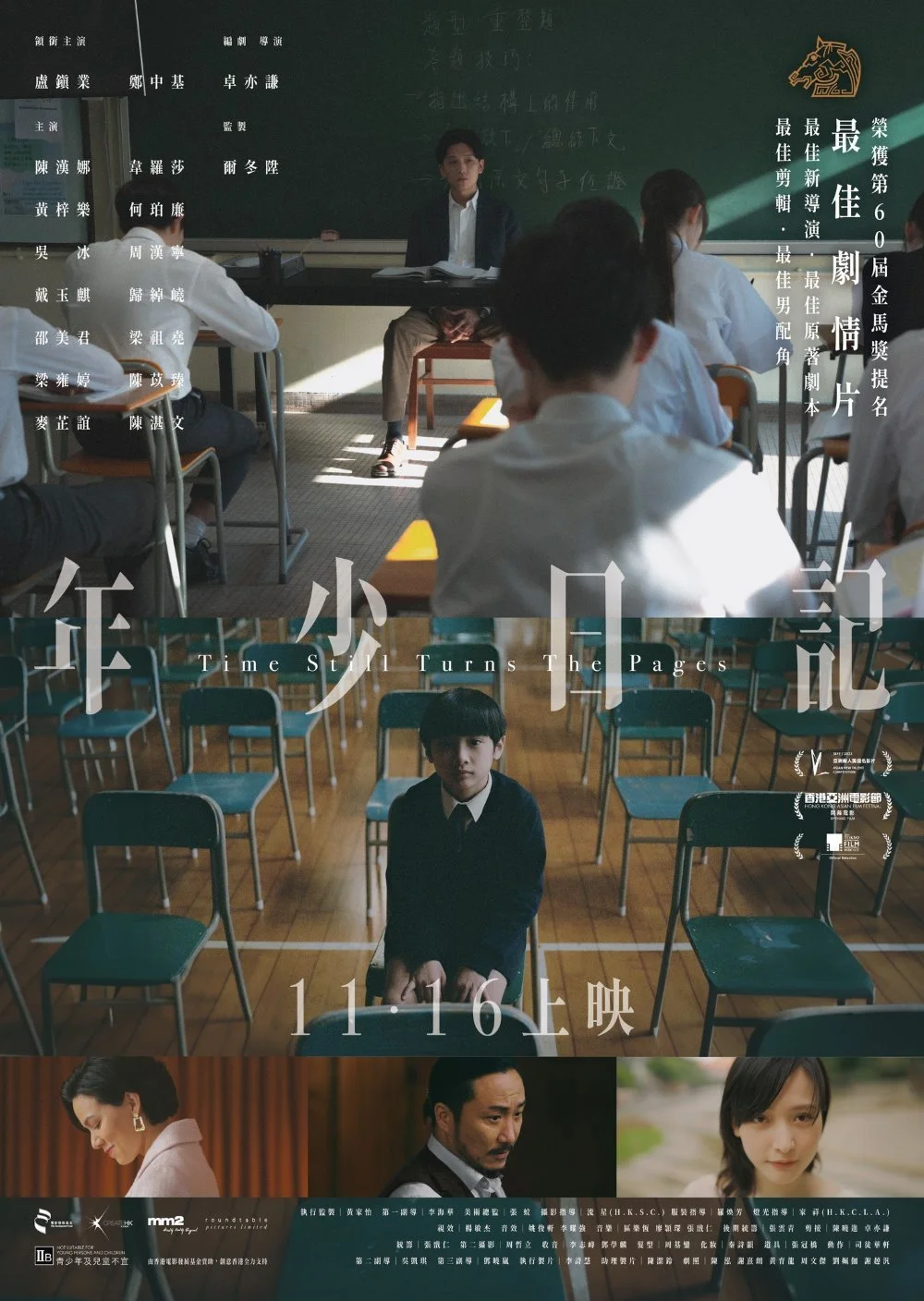
Time Still Turns the Pages 年少日記 (2023)
Directed by Nick Cheuk, starring Lo Chun-yip and Sean Wong.
A poignant psychological social drama examining childhood trauma, the rigorous academic pressure within the local education system, and the heavy emotional ghosts left behind in middle-class households. It strikes a nerve because everyone in the area recognises the silent, crushing weight of endless tutorial schools and grade-sheet expectations.
We live in an era when it is all too easy to let streaming algorithms dictate what we watch, reserving the cinema experience for billion-dollar CGI franchises. But stepping off the beaten track to explore Hong Kong’s cinematic geography offers an antidote to that fatigue. To experience these layers on the ground, wander into the older enclaves: spend an afternoon tracing the quiet residential steps of public housing estates, observe the twilight incense at traditional temples, or seek out an independent screening tucked away in an industrial loft.
Hong Kong cinema has weathered its golden era, its identity crises, and its commercial reconstructions, emerging on the other side with a distinct, bruised beauty. It reminds us that movies don't always need an explosive budget to leave a mark; sometimes, a single framed shot of a dim apartment table or a rain-slicked alley is enough to make you feel like you’ve truly arrived. Because cinema isn't merely something watched on a screen, but an ongoing script written daily by our city's inhabitants.