
The Silent Patient: A Novel
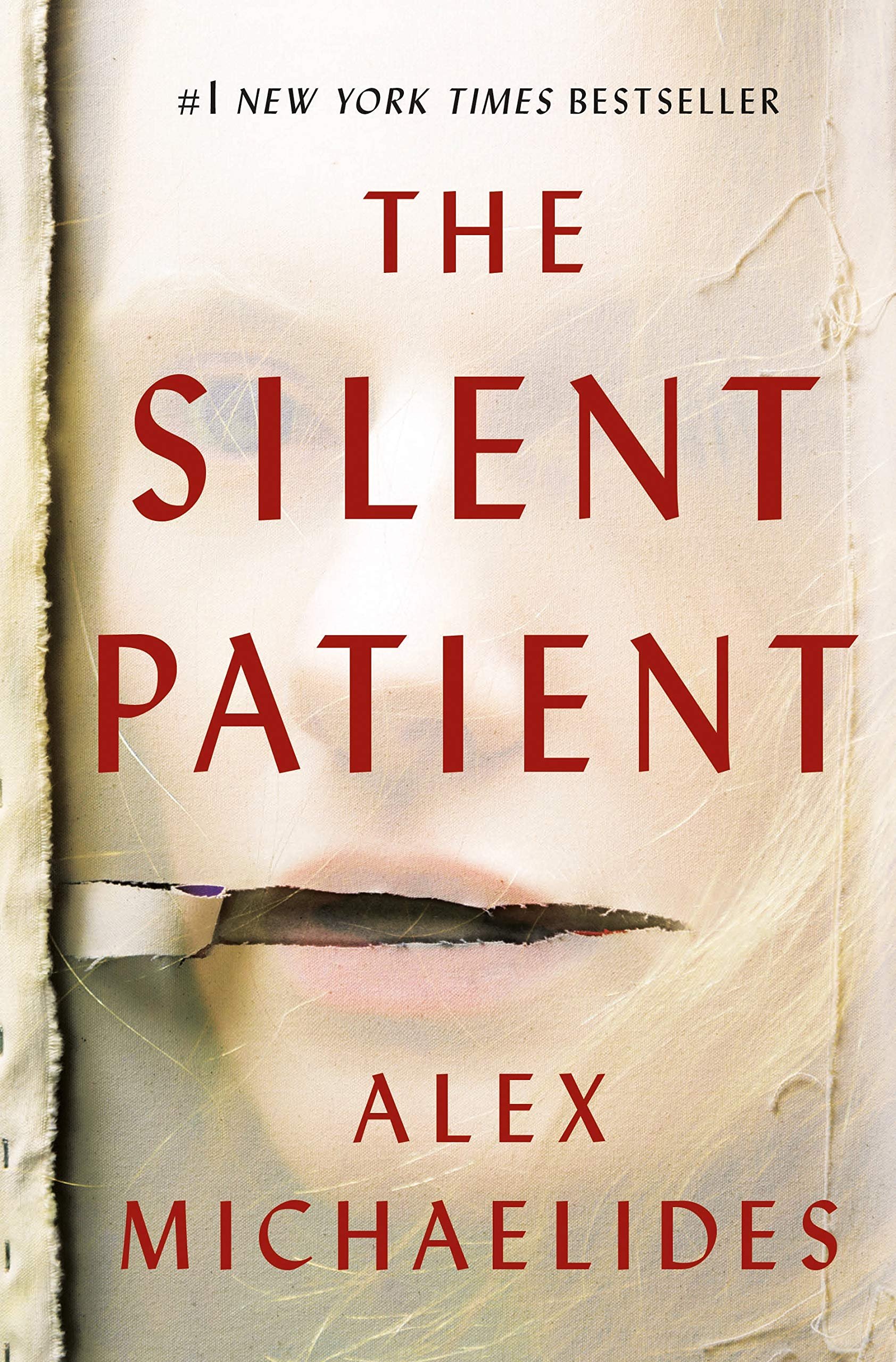
Alicia Berenson shot her husband five times in the face, then stopped speaking. Not exactly your run-of-the-mill domestic dispute. In The Silent Patient, Alex Michaelides takes that single, chilling act and spins it into a taut psychological thriller that’s equal parts “whodunnit” and “what-on-earth-is-wrong-with-these-people”. Set against the sterile gloom of a secure psychiatric unit in London, it’s a dark, twisty page-turner that more than earns its bestseller badge.
We follow Theo Faber, an earnest psychotherapist who is just a little too obsessed with Alicia’s case for comfort. He manoeuvres his way into the hospital where she’s being treated, convinced he’s the one who can make her speak and solve the mystery that has turned her into a tabloid myth. Alicia, once a celebrated painter on the London art scene, is now “the silent patient”, whose artwork and silence say more than any courtroom testimony ever could. The premise alone is pure psychological thriller, but Michaelides layers in enough emotional complexity and moral ambiguity to keep it from feeling gimmicky.
“Choosing a lover is a lot like choosing a therapist... We need to ask ourselves, is this someone who will be honest with me, listen to criticism, admit making mistakes, and not promise the impossible?”
Themes of trauma, obsession and the slipperiness of truth run through the novel like hairline cracks in a perfect canvas. Therapy here is not just a backdrop; it’s the engine of the story. You can feel Michaelides drawing on his own decade in therapy and time working in a psychiatric unit, which helps the sessions between Theo and Alicia feel uncomfortably intimate rather than theatrically dramatic. The book also plays with the idea of storytelling as a form of self-preservation—who gets to control the narrative, and what we’re willing to ignore when the truth is just a bit too ugly.
Stylistically, The Silent Patient is lean and punchy, with the short chapters making it dangerously easy to demolish half the book in one sitting. Michaelides switches between Theo’s present-day investigation and Alicia’s diary entries leading up to the murder, and that dual perspective does most of the heavy lifting in terms of tension. It’s a neat homage to classic murder mysteries—Agatha Christie’s influence is unmistakable—but dressed up in thoroughly modern, therapy-speak clothing.
I was hooked early and raced through the middle, happily immersed in all the red herrings and psychological drama. The big twist, while undeniably satisfying, leans heavily on a couple of convenient reveals that feel more clever than credible if you stop to probe them too closely. Some of the secondary characters are also more functional than fully fleshed out, orbiting Theo and Alicia rather than truly existing in their own right. But honestly, when a book is this compulsively readable, I’m willing to forgive the occasional melodramatic flourish.
If you’re in the mood for a dark, twisty psychological thriller that toys with your sympathies and then pulls the rug from under you, The Silent Patient absolutely delivers. Just don’t start it on a work night and then blame me when you turn up sleep-deprived and suspicious of absolutely everyone.
This post may contain affiliate links, meaning we receive a commission when you click the links and make a purchase.
Related posts



A dark, feminist crime thriller set in the 1970s Midwest, The Quarry Girls turns small-town nostalgia into something sharp, unsettling, and painfully familiar.